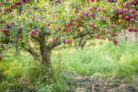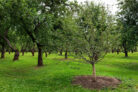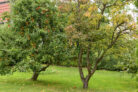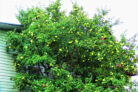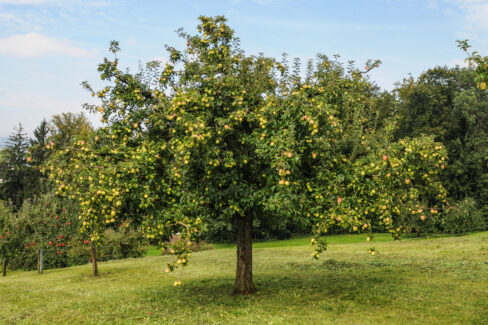
Large, majestic old apple trees are becoming a rare sight in our neighborhoods and countryside. It really makes you wonder how much longer we’ll get to enjoy these beautiful landmarks. Most of them were planted decades ago and are finally reaching the end of their natural lifespan.
Standard Trees for Orchards and Large Landscapes
From an ecological standpoint, “standard” apple trees (those with high trunks) are absolute superstars. They are a perfect fit for larger backyards, unused farmland, or open pastures. These trees typically feature a trunk height of about 5 to 6.5 feet before the branches begin, and you can expect your first harvest around the fourth year after planting. The best part? These beauties can live to be 100 years old!
The Best Spot for Your High-Trunk Apple Tree
A standard apple tree makes a stunning “statement tree” for a large yard or farmhouse property. They provide incredible shade for summer hangouts and are the ultimate choice if you’re planning to build a treehouse for the kids. If you have livestock like horses, cows, or sheep, these trees are ideal because the high canopy allows animals to move freely underneath. When choosing a location, look for sloped ground with good drainage. Avoid low-lying, soggy areas where frost settles, as well as extremely poor, sandy soils.
Planting Tips to Get You Started
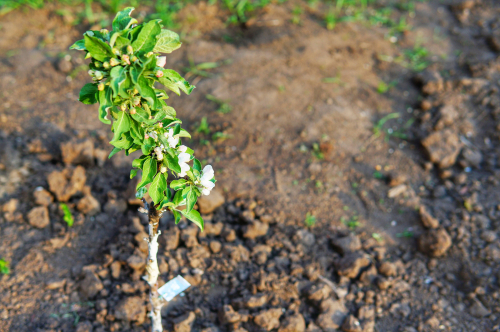
Because they stand so tall, young standard trees need a sturdy support system to ensure they grow straight and strong. A tripod-style staking method works wonders. If you’re planting in a pasture, make sure to add a trunk guard to protect the bark from hungry or curious animals. Space is key here: keep a planting distance of at least 25 to 33 feet between trees. Each tree really needs about 650 square feet of its own space to thrive.
What to Look for in a Quality Tree
- The trunk circumference (measured about 3 feet up) should be at least 3 inches.
- The canopy should have at least 4 strong primary branches.
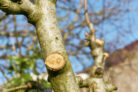
- The graft union should be at least 4 inches above the root flare.
- The rootstock should be a “seedling” or another vigorous-growing variety.
- Choose a hardy variety that is naturally resistant to common diseases.
Pro Gardener Tip
When you’re shopping for your new apple tree, pay close attention to the certification tags. Trees from high-quality nurseries will come with a label detailing the specific variety, the rootstock used, and health stats like “virus-tested.” Look for seals from professional nursery associations—this ensures you’re getting a plant that was raised to the highest standards and is ready to thrive in your garden for decades to come.