Foxglove, also known by its botanical name *Digitalis*, is one of those plants that commands respect in the garden. But did you know it’s actually a protected species in many parts of Europe? In this post, we’re going to dive into what that protection means and how you should handle this beautiful but powerful plant if you spot it in the wild.
Native Foxglove Varieties
There are about 25 different species of foxglove spread across Europe, North Africa, and Asia. In Germany, where these plants are deeply rooted in the landscape, you’ll mainly run into three native types:
- The Common (Purple) Foxglove
- The Yellow Foxglove
- The Large-Flowered Foxglove
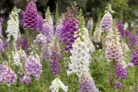
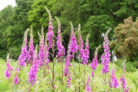
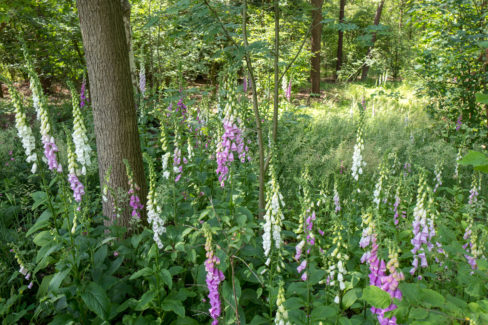
The superstar of the group is definitely the Common Foxglove (*Digitalis purpurea*). While you’ll see it popping up in backyard gardens, it’s most at home in the woods or along sunny forest clearings. These locations provide the perfect environment for them to thrive and show off those iconic bell-shaped blooms.
Of course, gardeners love to experiment, so you’ll often find non-native varieties planted in home landscapes too. But when it comes to the three native species mentioned above, they are officially under nature conservation protection.
What Does “Protected Status” Actually Mean?
Because native foxgloves are protected by law in their natural habitats, they are essentially “look but don’t touch” plants. This means you aren’t allowed to pick them, dig them up, or damage them in any way.
As tempting as it might be to grab a few stalks for a wildflower bouquet to take home, it’s actually illegal to remove them from the wild. If you’re caught foraging for protected species, you could be looking at some pretty hefty fines. It’s always best to leave them exactly where you found them so everyone can enjoy their beauty.
A Former “Poisonous Plant of the Year”
Back in 2007, the Common Foxglove was actually named “Poisonous Plant of the Year.” It’s a good reminder that every single part of this plant is toxic—even in small amounts. This is another great reason to respect those conservation laws: keeping your hands off the plant isn’t just good for nature; it’s a safety measure for you, too!
Foxglove: A Natural Heart Remedy
It’s a bit of a paradox, isn’t it? Even though it’s highly toxic and protected in the wild, foxglove has played a massive role in modern medicine. Compounds derived from the plant are used to create life-saving treatments for heart failure.
However, I can’t stress this enough: never try to use foxglove as a home remedy. The line between a therapeutic dose and a fatal one is incredibly thin. In fact, ingesting just two leaves can be deadly. When it comes to the healing power of *Digitalis*, it’s strictly a job for the pros in the pharmaceutical world!