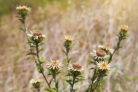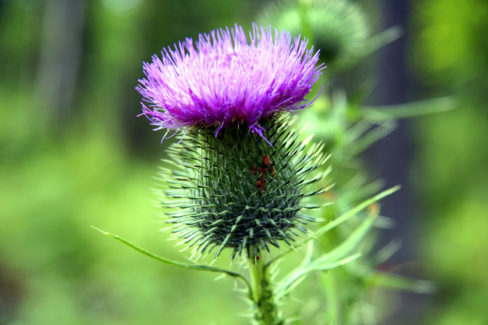
Hold on! Before you roll your eyes at the thought of a prickly weed, let’s clear something up. While the word “thistle” might make you think of garden pests, there are actually some stunning ornamental varieties out there. With their striking blue blooms and architectural shapes, they can hold their own against any fancy decorative plant.
There’s a lot to love about these hardy plants, from their unique lifespans to their low-maintenance vibes. Let’s dive in!
What’s in a Name?
The word “thistle” has ancient roots that basically translate to “to sting” or “pointed.” It’s no surprise, then, that almost any plant with thorns or prickles ends up with “thistle” in its name.
Short-Lived vs. Long-Lived Varieties
Not all thistles stick around for the same amount of time.
Short-lived varieties are usually biennials. In their first year, they just chill out as a low-growing rosette of leaves. The real magic happens in the second year when they bloom and then die off. But don’t worry—they rarely truly leave your garden. Thanks to self-seeding, they usually leave plenty of “babies” behind to keep the cycle going. Common examples include the Silver Thistle, Plumeless Thistle, and the impressive Scotch Thistle.
On the other hand, long-lived thistles—like Globe Thistles or Sea Holly (Eryngium)—are true perennials. They’ll come back from the roots every spring to brighten up your flower beds year after year.
Location and Care
For the most part, thistles are sun-worshippers. They love a bright spot with lean, dry soil. However, there’s always an exception to the rule: the Brook Thistle actually prefers damp soil and plenty of nutrients.
If you’re growing biennials, sow your seeds in the summer. For the perennial types, aim for a spring or fall planting. The best part? From day one, these plants are incredibly humble and won’t demand much of your time or energy.
Pro Tip:
Thistles grow deep taproots. Because of this, they really hate being moved. Try to plant or sow them exactly where you want them to stay!
Thistles in the Winter
These plants are tough as nails and don’t need any help surviving a cold snap. I actually recommend leaving the dried stalks standing through the winter. When they’re covered in frost or a dusting of snow, they look absolutely beautiful and add some “winter interest” to your yard. Wait until March to give them a good trim.
When Thistles Become Weeds
We’ve all been there—sometimes a thistle pops up where it definitely wasn’t invited. Because they spread via seeds and underground runners, they can be a bit of a pain to remove. Plus, if you leave even a tiny piece of that 20-inch taproot in the ground, a new plant can sprout right back up.
If you’re trying to clear them out, here’s your game plan:
- Pull them before they have a chance to flower.
- Be persistent—you might have to do this a few times.
- If they’re in the lawn, keep them mowed down regularly.
- Wait for a rainy day when the soil is soft, then use a weeding tool to get the root out.
- Try to get every single bit of the root.
- Toss the remains in the trash, not the compost pile (you don’t want them coming back!).