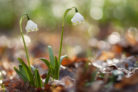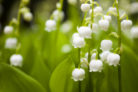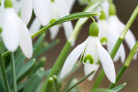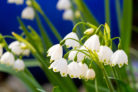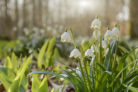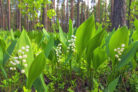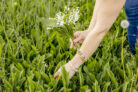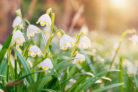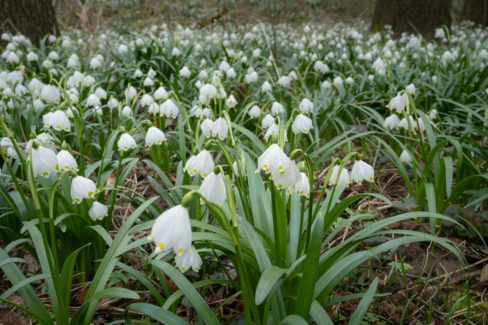
Did you know that about 26 percent of native plants in Germany are currently considered endangered? To protect these rare beauties, the government has put strict conservation laws in place. This means if you spot them growing in the wild, you absolutely cannot pick, dig up, or damage them. One of the stars on this nationwide “Red List” is the wild Spring Snowflake (*Leucojum vernum*).
Stick to the Nursery for Your Bulbs
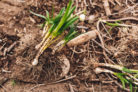
In the wild, these early bloomers can create breathtaking white carpets across the forest floor—it’s honestly a magical sight. But if you’re lucky enough to stumble upon a patch while hiking, please leave them exactly where they are. Not only is it better for the ecosystem, but it’ll save your wallet, too! Digging them up is illegal and can lead to some pretty hefty fines in most regions. If you want that same magic in your own backyard, just head to your local garden center to buy cultivated bulbs for planting.
Where to Find Them in the Wild
If you check out the Spring Snowflake profile, you’ll see they are primarily native to Central and Southern Europe. In Germany, there are only a few spots left where you can see these massive, natural floral carpets. Places like the Polenztal in Saxony, Hainich National Park, or the Leipzig Riverside Forest are famous for them. It’s a bucket-list experience for any plant lover, provided you time your visit right during their blooming season in March or April.
Gardening as Climate Action
It’s a bit bittersweet, but the fact that spring seems to be arriving earlier and earlier every year is a clear sign of climate change. One way we can fight back is by increasing the plant diversity in our own yards. While we often think of big trees as the primary “carbon sinks” (a single tree can bind about 2 tons of CO2!), every bit of green foliage helps. Shrubs and flowers also pull CO2 from the air to grow. That’s why planting spring bloomers like the Spring Snowflake is a small but meaningful step for the planet.
A Lifeline for Early Bees
When honeybees and wild bees first emerge in the spring, they are hungry and desperate for nectar to feed their brood. The more food they find, the healthier the next generation will be. While the Spring Snowflake might not provide a massive amount of pollen compared to summer flowers, it’s a vital “bridge” food because there isn’t much else blooming yet. Bees and bumblebees are drawn in by its lovely, violet-like scent. To get to the nutrient-rich tissues hidden inside the blossom, these tiny visitors have to get creative, making them a joy to watch in the garden!