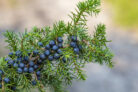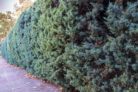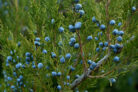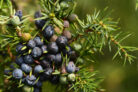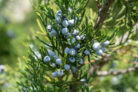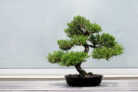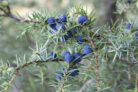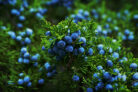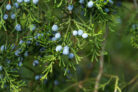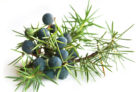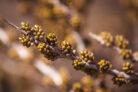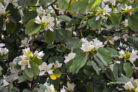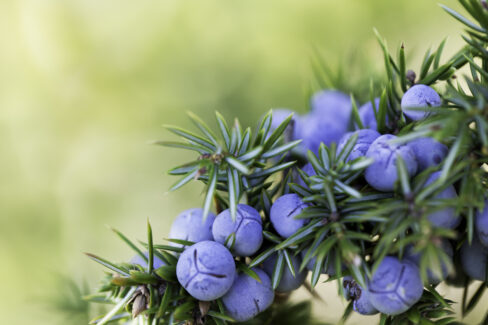
With its unique silhouette and those iconic little blue berries, juniper is a total standout in any backyard. If you’re thinking about adding this classic ornamental shrub to your landscape, here’s a quick breakdown of everything you need to know.
Juniper: A Landscaping Favorite
There’s a reason juniper is a go-to for home gardeners. It’s incredibly versatile, and because of its growth habit, it’s a dream to prune and shape into exactly the look you want. Plus, those round little berries add a pop of visual interest that’s hard to beat.
The Juniperus Family
Our common juniper belongs to the genus *Juniperus*, part of the cypress family. You’ll find these guys all across the Northern Hemisphere. With over 70 different species, they are incredibly hardy and adaptable, thriving everywhere from subarctic regions to semi-deserts.
Growth Habits
Most junipers grow as upright shrubs or trees, but don’t let that fool you—there’s a variety for every spot. Some species work perfectly as groundcover because they stay low and spread out. The one thing they all have in common? They’re evergreen, featuring beautiful needle-like or scale-like foliage that stays green all year round.
Flowers and Berries
Junipers produce both male and female cones, which rely on the wind for pollination. The female cones are those berry-like fruits we all recognize. You can actually tell how ripe they are by their color—they start out green and eventually turn a deep, dark blue or even blackish-purple. At this stage, birds love to snack on them, which helps spread the seeds naturally.
Just a heads-up, though: while they look cool, raw juniper berries are super bitter and, in many species, actually toxic. Always double-check your variety before you think about tasting!
Common Diseases
For the most part, juniper is a “set it and forget it” plant because it’s so hardy. It rarely deals with pests, but it does have one main nemesis: Pear Lace Rust. This is a fungal infection that can pop up, so keep an eye out for any unusual spots or growth.
Using Juniper in the Kitchen
Juniper isn’t just eye candy for your garden; certain varieties have a long history in the kitchen. The berries and cones are often used for:
- Crafting spirits (it’s the main flavor in gin!)
- Brewing herbal teas
- Adding a peppery, piney spice to savory dishes