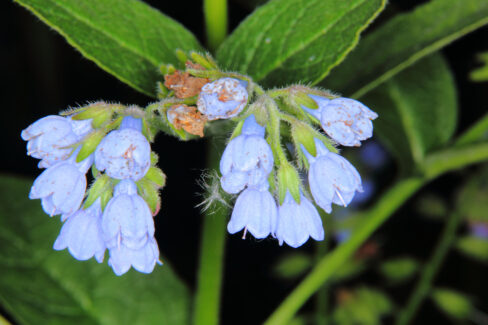
Comfrey isn’t exactly a “new discovery” in the world of herbalism; it’s actually a time-tested native powerhouse. Even the famous medieval healer Hildegard von Bingen was a huge fan of its properties and knew exactly how to put them to work. And honestly? Even in today’s world of modern medicine, comfrey hasn’t lost a bit of its healing magic.
The Main Uses for Comfrey
In the scientific world, comfrey goes by *Symphytum officinale*. That sounds a bit fancy, but its traditional nicknames tell you much more about what it actually does. In German, it’s often called “Beinwell” (meaning “bone-well”), and it has also been known as “wound-heal root” or “soldier’s root”—a nod to its history of treating battlefield injuries. It’s primarily used externally to speed up wound healing, especially when it comes to your muscles and joints.
A Closer Look at How Comfrey Works
The “secret sauce” in comfrey is a compound called allantoin. It’s also packed with mucilage, tannins, flavonoids, resins, rosmarinic acid, silica, and asparagine. This heavy-hitting combo makes it anti-inflammatory, disinfecting, and great for boosting circulation. It’s a pro at soothing irritation, dulling pain, and kickstarting the healing process. One quick heads-up: comfrey contains pyrrolizidine alkaloids, which can be tough on the liver in high doses, so it’s best to stick to topical use rather than drinking it as a tea.
Common Ways to Use It for Healing
- Slow-healing or festering wounds and abscesses
- Bruises, strains, and sprains
- Bone fractures (to support healing)
- Muscle and joint pain
- Osteoarthritis
- Rheumatism
How Do You Use This Healing Plant?
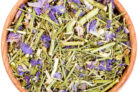
You can use fresh comfrey from spring through fall, but dried comfrey is great to have on hand all year round. Fresh is usually the gold standard because it keeps all those active ingredients intact. If you’re drying it yourself, keep the temperature under 104°F (40°C) to preserve as much potency as possible. Even so, dried comfrey is still a very powerful herb. You can use the leaves and stems, but the roots actually hold the highest concentration of healing compounds.
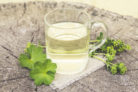
With just a few simple ingredients, you can turn fresh or dried comfrey into salves and tinctures. If you want something even easier, you can make a decoction (a strong herbal tea) or a mash for a poultice right at home. Some people even use the decoction as a daily mouthwash to help remineralize teeth. Here’s a simple recipe:
- Use about 10 oz (300g) of fresh root pieces
- Or about 3.5 oz (100g) of dried root
- Alternatively, 9 oz (250g) of fresh leaves or 1.7 oz (50g) of dried leaves
- Boil 1 quart (1 liter) of water and pour it over the herb
- Cover and let it steep for 20 minutes
- Strain it, let it cool, and pour it into a clean bottle
Where Can You Find Comfrey?
You’ll find plenty of comfrey-based creams and lotions at the store, but it’s just as easy to plant it in your own garden. It loves a sunny, warm spot. You can also find it growing wild, especially in damp, marshy meadows.
Quick Tip:
If you want to propagate comfrey, it’s super easy—just dig up a piece of root about the size of your thumb and replant it. You can also buy seeds or collect them yourself from existing plants.