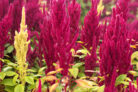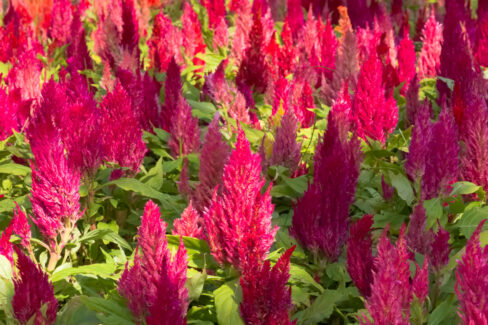
Amaranth is such a showstopper in the garden! Because of its impressive height and vibrant colors, it’s a fantastic decorative piece, but the real bonus is those edible seeds. Even a single plant can give you a surprisingly big harvest, as long as you give it the right spot to thrive.
Full Sun for the Best Harvest
If you want your amaranth seeds to ripen evenly, you’ve got to give them plenty of sunshine. Depending on when you get your seeds in the ground, harvest time usually rolls around between September and October. A quick tip: don’t wait too long to plant! If your amaranth gets hit by a hard frost, the seeds are still fine to eat, but they won’t germinate well. That means they won’t be much use if you were planning on saving them to plant next season.
Knowing When to Cut the Flower Heads
Amaranth is often called “Love-Lies-Bleeding” because of those gorgeous, drooping flower spikes. You’ll know they’re ready to harvest when that bold, deep red starts fading into a dusty brown. Once you see that color shift, start checking them regularly. A tell-tale sign that harvest day is close? Give the flower head a little shake—if you hear a dry rustling sound or see a few seeds starting to drop out, it’s go-time!
When they’re fully ripe, the seeds should look black and shiny. Try to avoid collecting seeds that look white or translucent. While they might ripen a tiny bit more after cutting, you really want those fully mature, dark seeds if you’re planning on gardening with them next year.
Cleaning and Sifting Your Seeds
The great thing about amaranth is that the seeds fall out of the flower heads pretty easily on their own. Once you’ve cut the stalks, lay them out in shallow boxes at room temperature. Usually, within a week or two, the flower heads will be completely dried out, and you can just shake the seeds loose.
Of course, you’ll end up with some “chaff” (bits of dried plant material) mixed in with your seeds. To clean them up, run everything through a fine-mesh sieve first to catch the bigger pieces. For the tiny leftover bits, here’s a pro trick: put the seeds in a shallow bowl and gently blow across the top. The lighter plant debris will fly right out, leaving you with nothing but clean amaranth seeds!