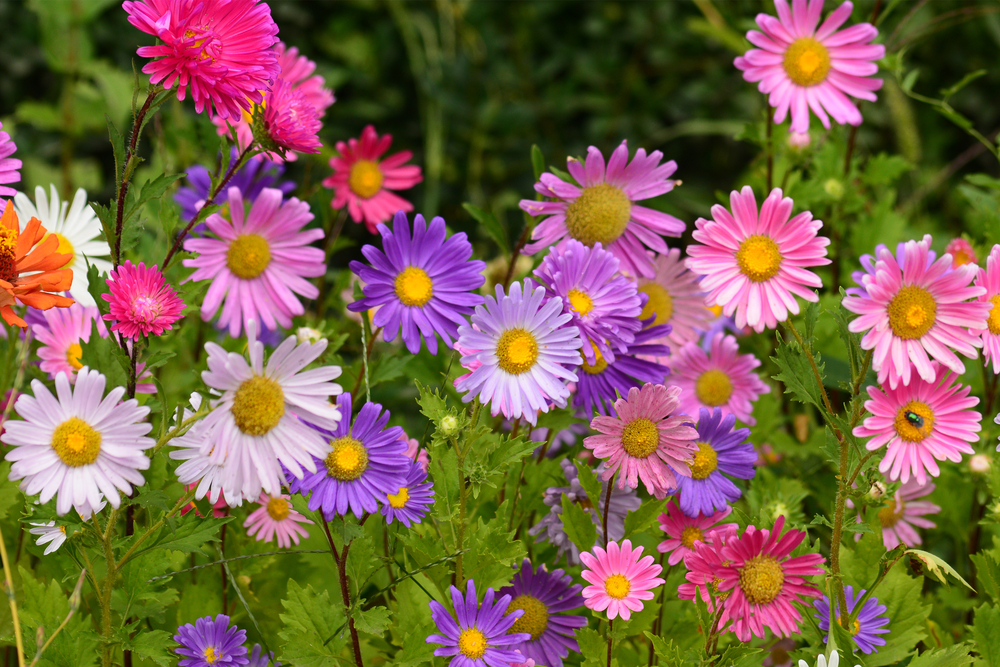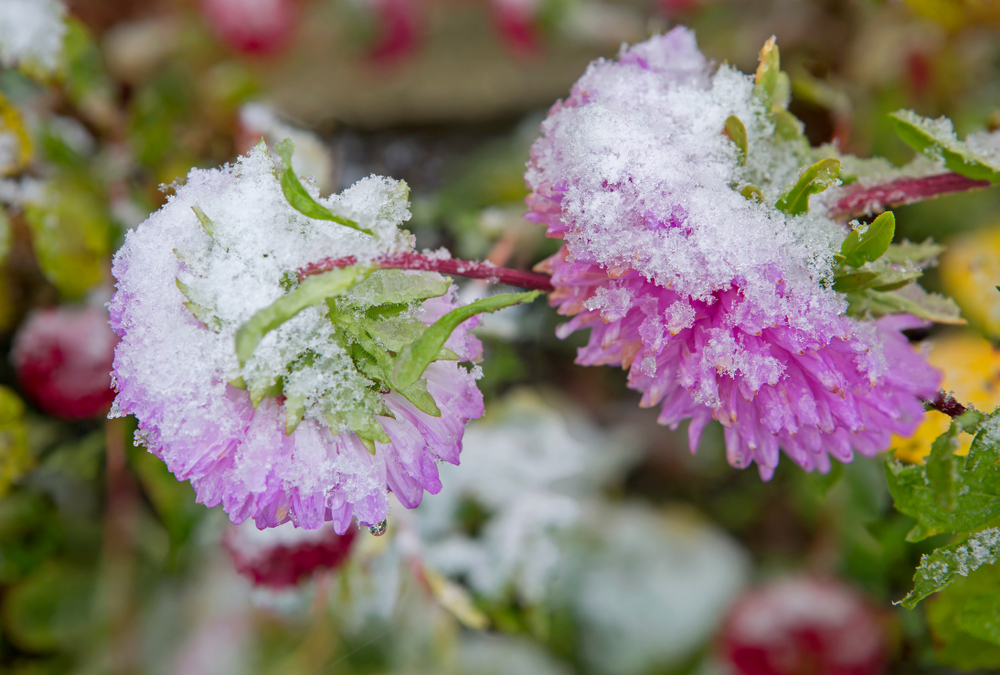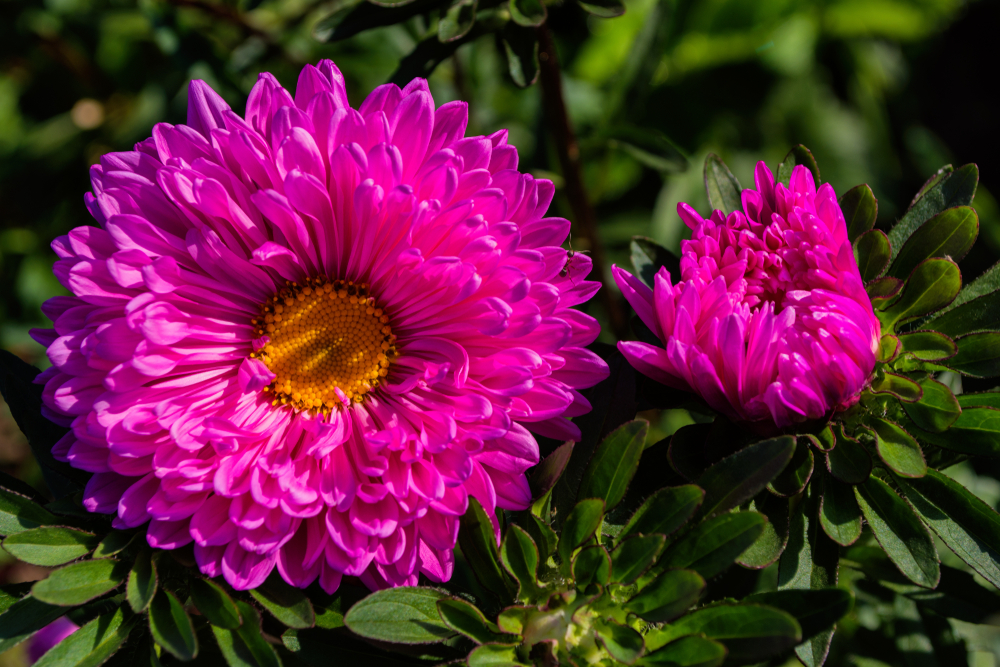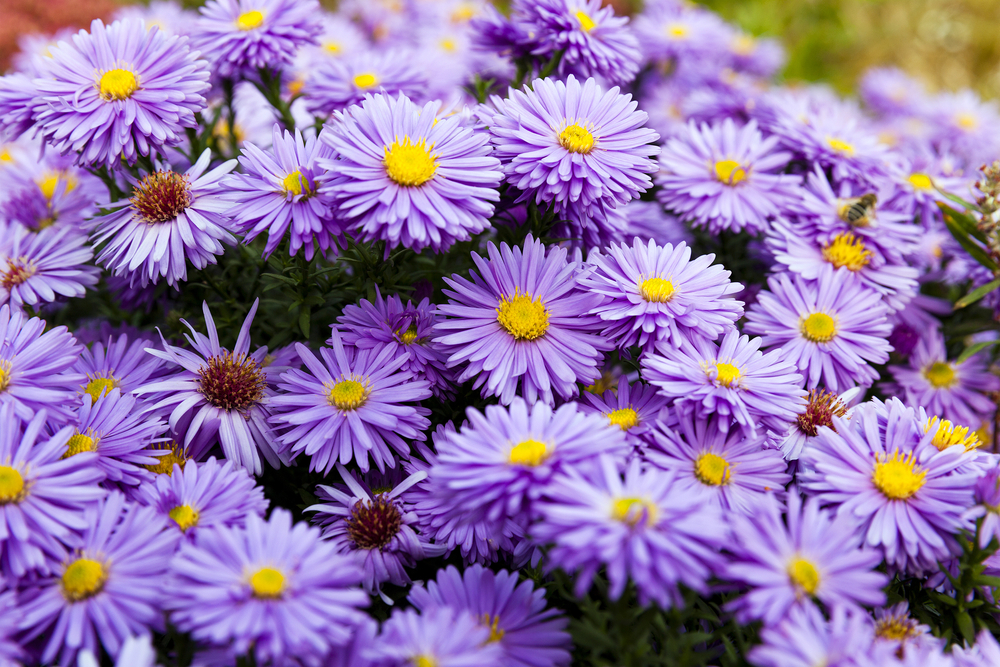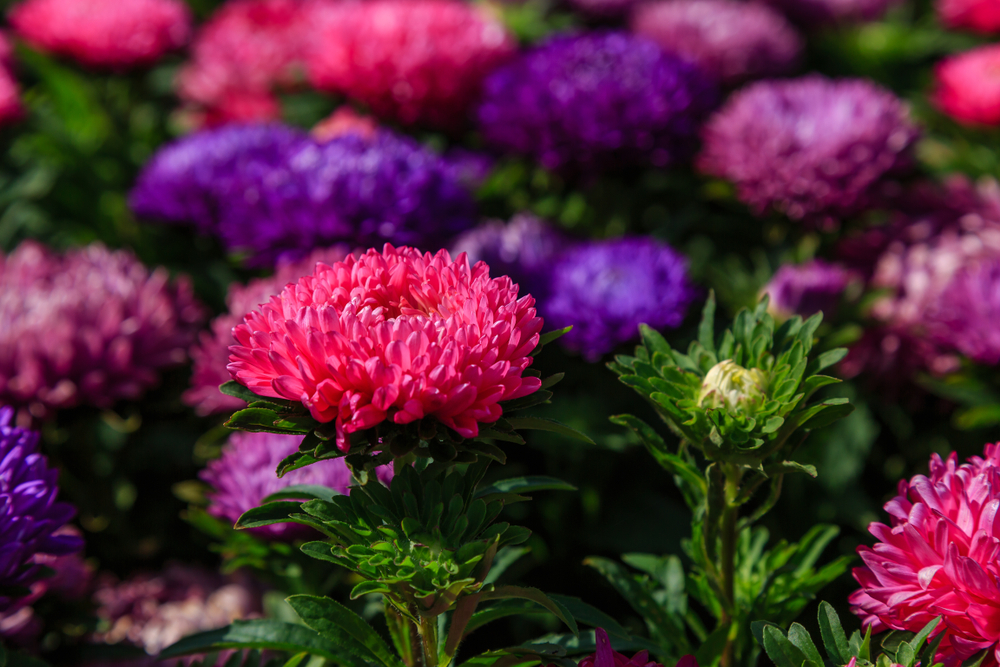
Big, bushy China Asters are the absolute stars of the garden or patio all summer long. Unfortunately, these gorgeous “star flowers” aren’t hardy, meaning they die off once the blooming season ends. If you’re a fan of these beauties like I am, you’ll need to start fresh with new plants every spring.
Sowing Your China Asters
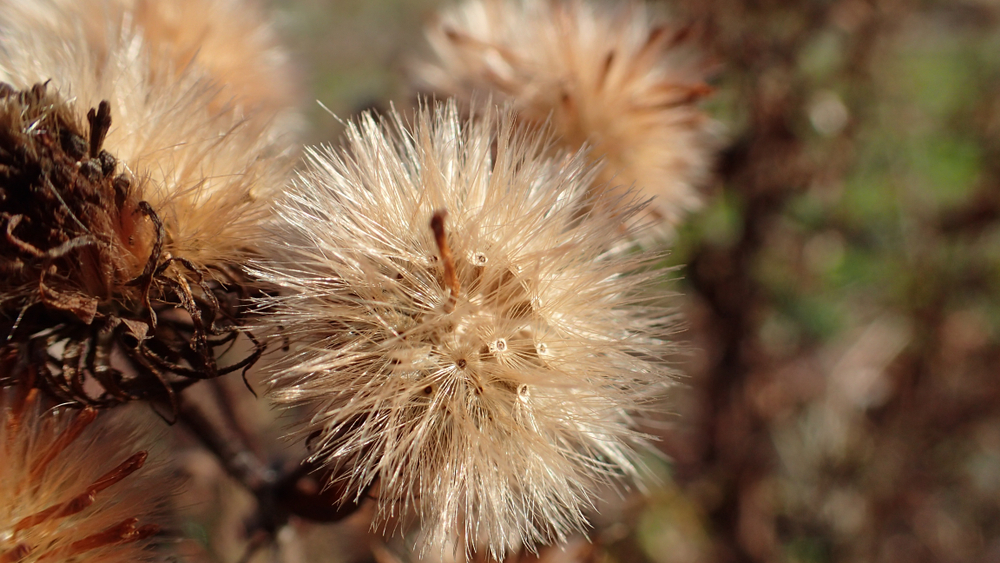
You can get a head start as early as late February by sowing seeds in starter trays on a sunny windowsill. You can grab a packet of seeds at the store or use seeds you’ve saved from your own plants. They’re easy to spot—long, smooth, and brownish in color.
- Fill your starter trays or pots with a low-nutrient seed-starting mix.
- Poke small planting holes about 1/2 inch (1 cm) deep.
- Drop 2 to 3 seeds into each hole.
- Cover them up with soil and give them a gentle watering.
- Place your trays or pots in a bright, sunny spot.
- Keep the soil moist, but be careful not to overwater—soggy soil is an invitation for fungal diseases.
If you’d rather skip the indoor trays, you can sow them directly outdoors starting in mid-May, once the threat of frost has passed. The process is exactly the same as starting them indoors.
Germination and Upkeep
China Aster seeds usually take about two weeks to sprout, provided they stay cozy at temperatures between 65°F and 70°F (18-21°C). If it’s a bit chillier, don’t worry—they’ll just take a little longer to pop up. Once your seedlings have developed their first four leaves, it’s time to “prick them out” and move them into their own individual pots. By mid-May, those indoor-raised asters are ready to hit the garden beds. If you sowed them directly outside, make sure each plant has plenty of elbow room. If they’re looking a bit crowded, thin them out. Giving them space is the best way to prevent diseases like powdery mildew and aster wilt from spreading.
The Perfect Spot for China Asters
Like most asters, these guys crave lots of sunshine and good airflow. They’re happiest in well-draining, nutrient-rich soil with a neutral to slightly alkaline pH. You’ll want to keep the soil consistently moist—don’t let it dry out completely—but again, avoid “wet feet.” Those sensitive roots will rot quickly if they sit in standing water. One last pro-tip: try to plant them in a spot protected from the wind. Once they reach a certain height, a strong gust can easily snap their stems.