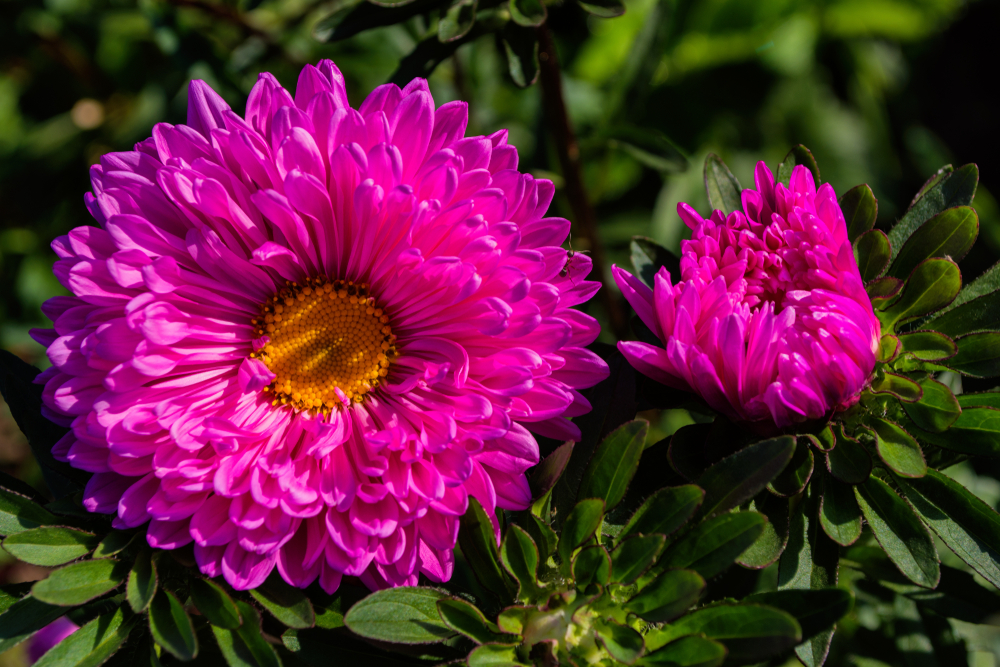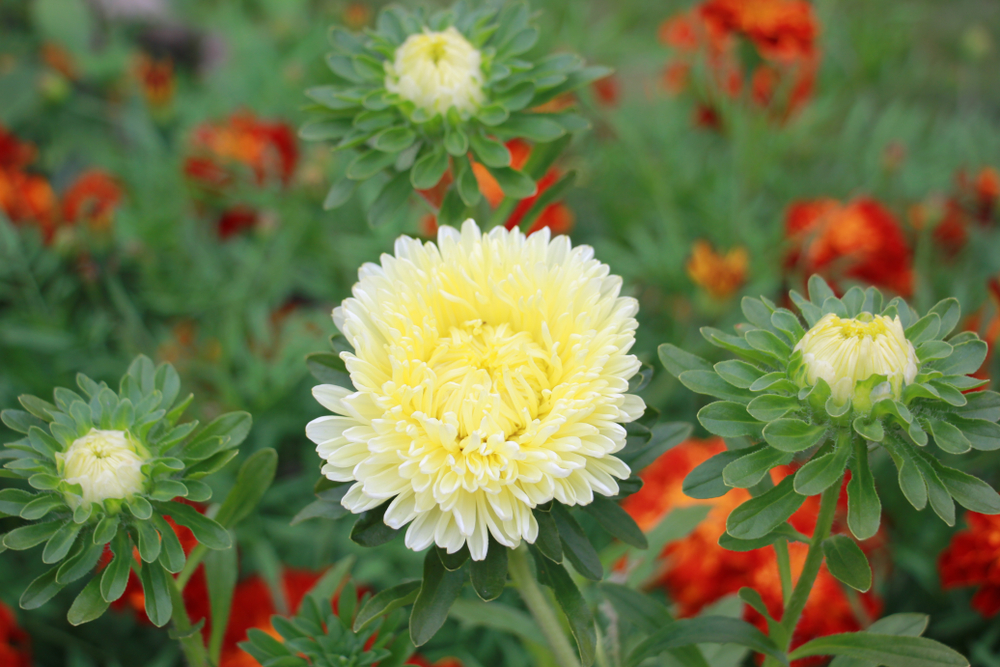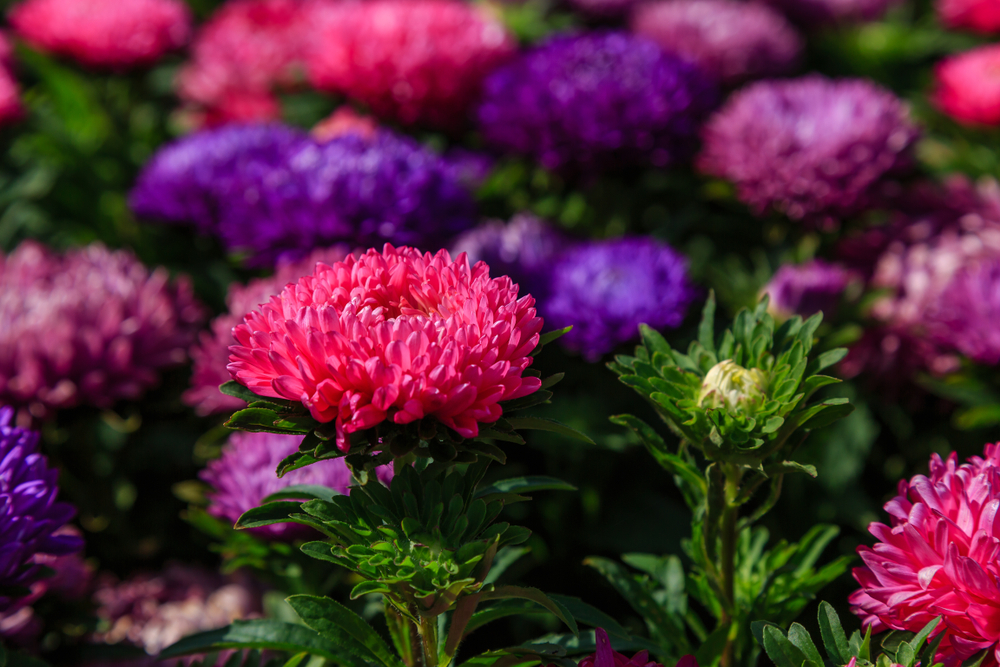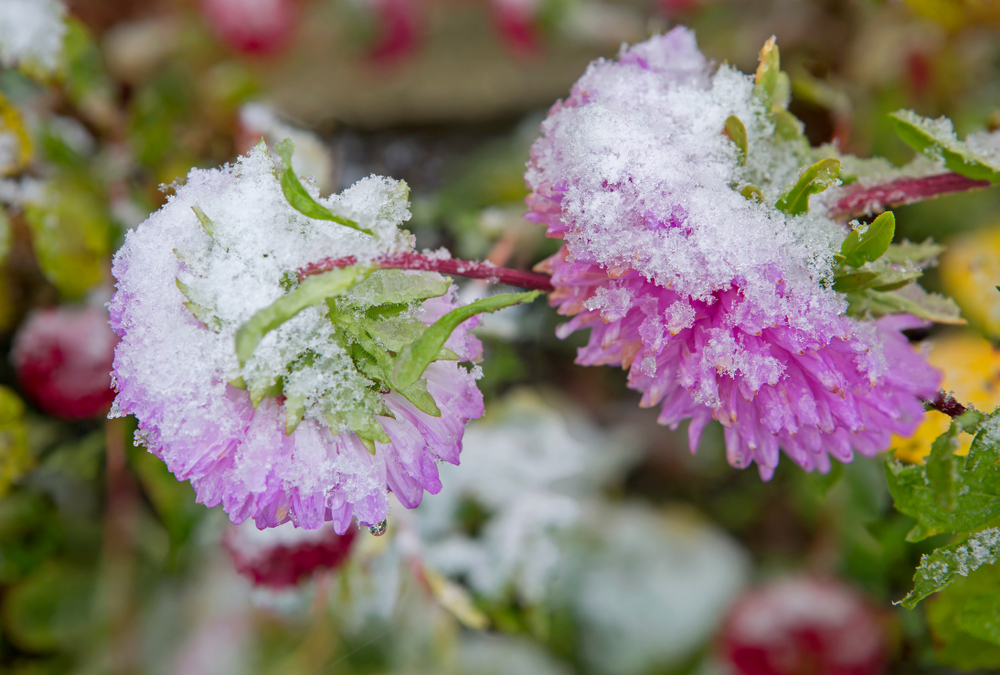
China Asters are a total staple for gardens and patios, and it’s easy to see why! These beauties brighten up the whole summer with their gorgeous, star-shaped blooms. Whether you’re planting them directly in your garden beds or keeping them in pots and window boxes, they always put on a show. But you might have noticed that once summer winds down, these asters start to fade and eventually die off because they aren’t hardy enough to survive the winter. Ever wonder why that is?
China Asters aren’t “true” Asters
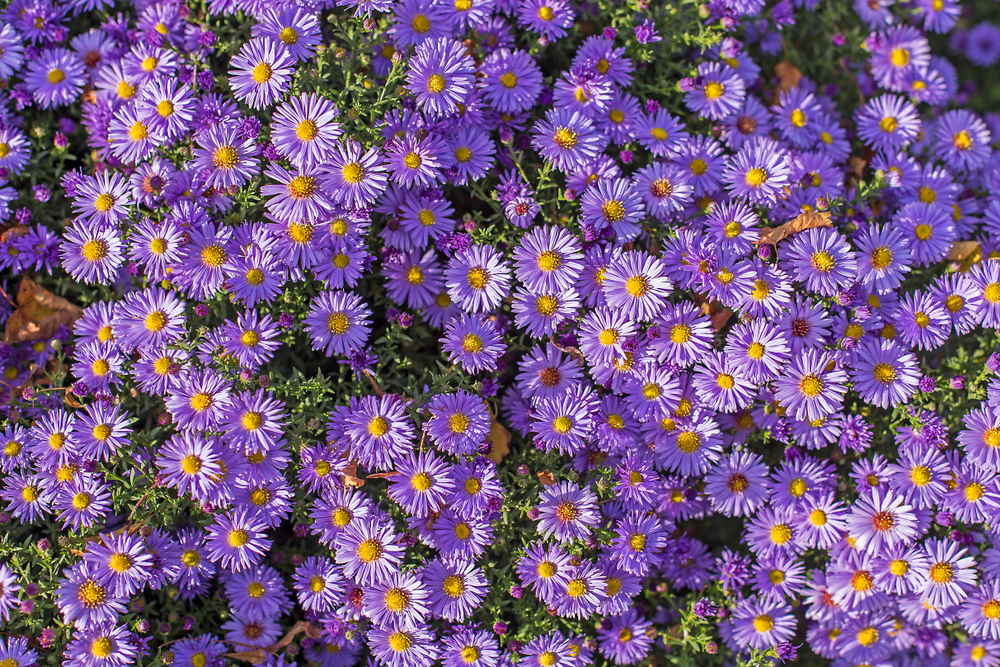
If you’ve grown Spring or Fall Asters before, you know they’re tough perennials that come back year after year thanks to their winter hardiness. China Asters, on the other hand, are a different story. You have to sow and plant them fresh every spring. By the end of the season, the plant withers away, and instead of prepping it for winter, you just pull it out and toss it on the compost pile. If you dig a little deeper into this specific variety, you’ll find out they aren’t actually “true” asters at all. Their scientific name is *Callistephus chinensis*, and while they’re close cousins to traditional asters, they belong to their own unique genus. You can actually find them in nine different style groups, each with its own look:
- The Single-flowered group: Classic daisy-like blooms with open centers.
- The Pinocchio group: Dwarf plants with cute, double-flowered heads.
- The Comet group: The “early birds” of the bunch.
- The Milady group: Sturdy, mid-sized plants.
- The Ostrich Feather group: Late bloomers that grow tall with shaggy, double flowers.
- The Compliment group: Very tall stems with full, double blooms.
- The Princess group: Tall (up to 30 inches!) with unique disc-shaped flowers.
- The Duchesse group: Another tall variety featuring pom-pom style flowers.
- The Pommax group: High-reaching stems with massive, radiant blooms.
How to spot a China Aster
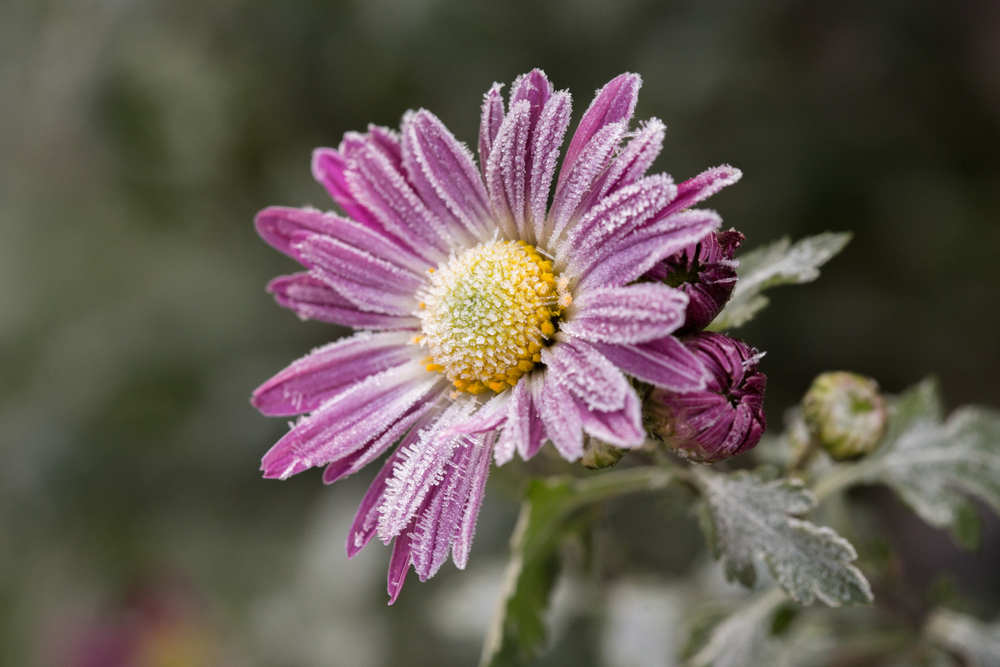
Even with all that variety, China Asters share some tell-tale signs. They typically bloom from July through October and stand anywhere from 15 to 30 inches tall. You’ll see them in every color from sunny yellow and deep red to soft pink, violet, and crisp white. Look closely and you’ll notice hairy stems and triangular leaves. But the biggest giveaway? They just can’t handle the frost.
Why they don’t survive the winter
So, why aren’t they hardy? It really comes down to energy. China Asters pour every bit of their “fuel” into producing those spectacular flowers all summer long. By the time autumn rolls around, they’re completely spent. Unlike perennial asters, they don’t have specialized “overwintering organs” like rhizomes to store energy underground for next year. However, they do leave you a gift: seeds! You can collect the seeds from the dried-out flower heads, air-dry them, and store them in a cool, dry spot over the winter. Come next spring, you’ll have everything you need to start the cycle all over again!