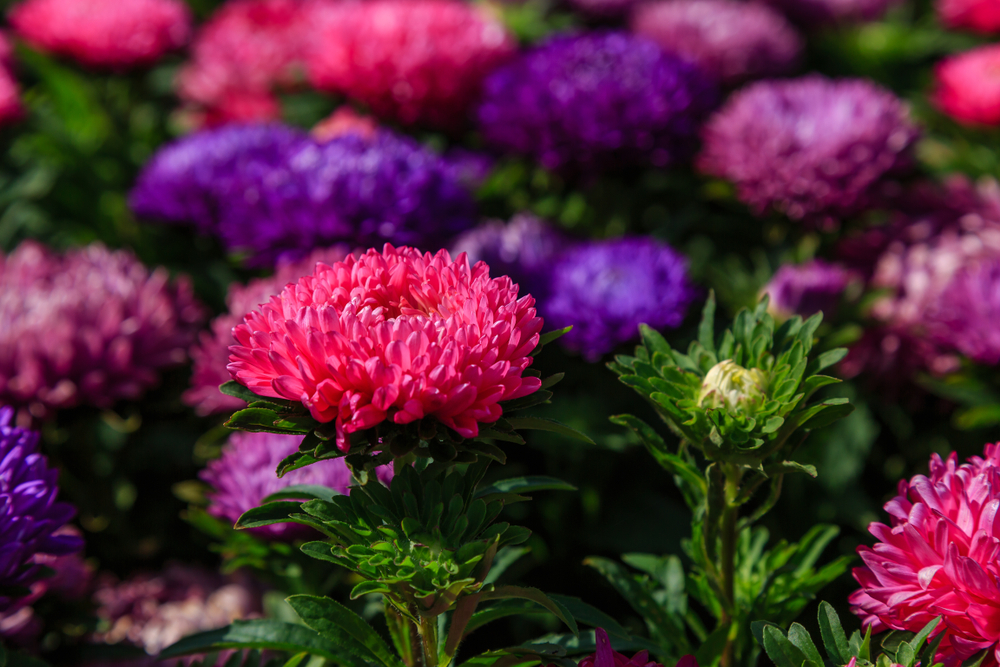
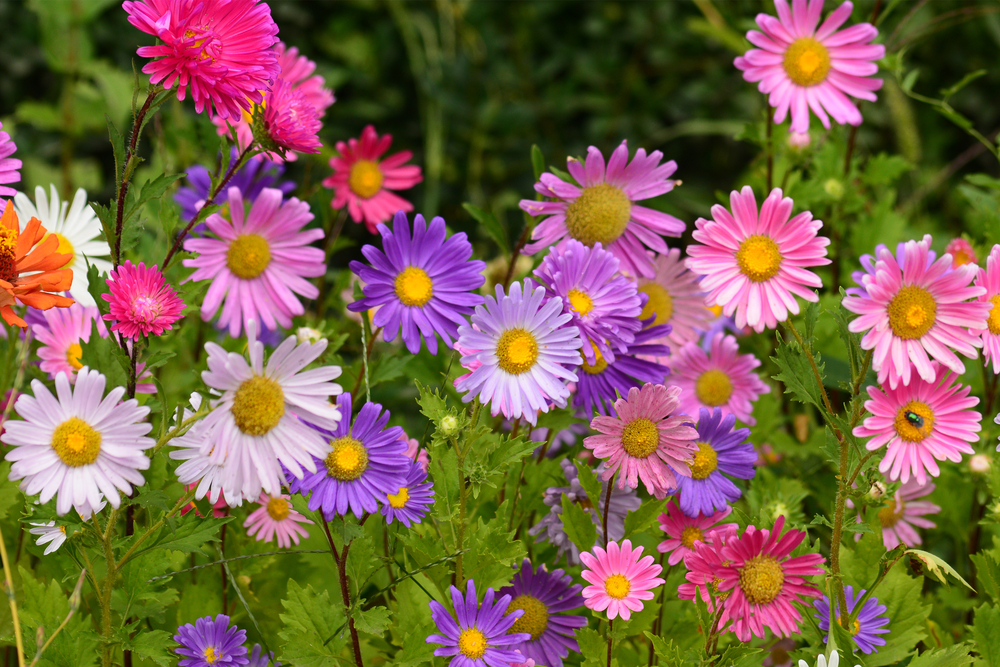
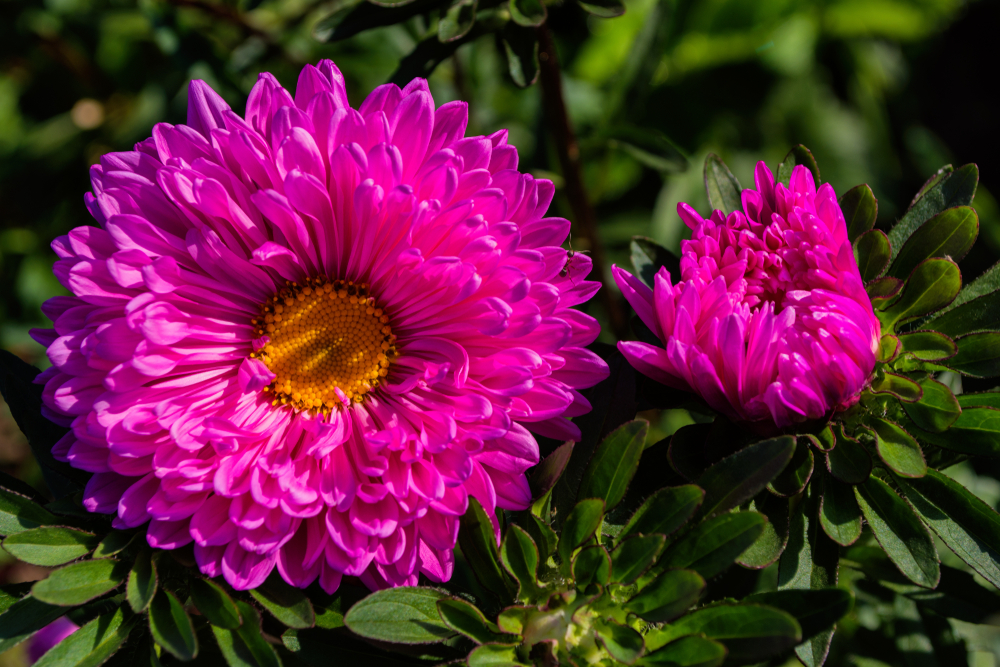
Annual China Asters might have roots in East Asia, but they’re close cousins to the classic asters we all know and love. These big, star-shaped blooms are absolute showstoppers, brightening up gardens and patios all summer long. Since they’re annuals, if you want that gorgeous color every year, you’ll want to get into the habit of sowing them each spring.
Sowing and Planting Your China Asters
If you’ve saved seeds from last year or picked up a fresh packet, you can get a head start by starting them indoors on a sunny windowsill as early as March or April. They like it a bit cool to start—aim for a germination temperature between 52°F and 57°F. You should see sprouts popping up in about 7 to 14 days. Once those little seedlings have their first set of “true” leaves, go ahead and prick them out into their own individual pots. By mid-May, once the frost risk has passed, they’re ready to move into the garden. Space them about 8 to 12 inches apart; this gives them room to breathe and helps prevent issues like powdery mildew.
If you’d rather skip the indoor trays, you can sow them directly into the ground starting in mid-May. Make sure your soil is weed-free, loosened up, and rich in organic matter. Drop two or three seeds into a small hole about half an inch deep. Give them a gentle watering and keep the soil consistently moist. Once the seedlings are established, you can thin them out or move them to their permanent sunny home.
The Perfect Spot for Your Asters
To get those sturdy, bushy plants we’re after by summertime, location is everything. Here’s what your China Asters are looking for in a home:
- Full sun (too much shade means fewer flowers!)
- A spot protected from heavy winds, but with good air circulation
- Soil rich in humus (mixing in some compost works wonders)
- Loose, nutrient-dense soil
- A sandy-loam texture that drains well
- Consistently fresh, moist soil
- No standing water (they hate “wet feet”)
Caring for Your China Asters
To keep those blooms coming, regular watering is key—especially during those dry summer stretches. Just be careful not to overwater to the point of sogginess. Once you see the first buds appearing, treat them to some liquid fertilizer in their water to give them an extra energy boost. As the flowers start to fade, be sure to deadhead those “spent stars.” This encourages the plant to keep producing new blooms. If your asters start getting a bit tall and leggy, don’t be afraid to give them a stake or some support to keep them from flopping over.