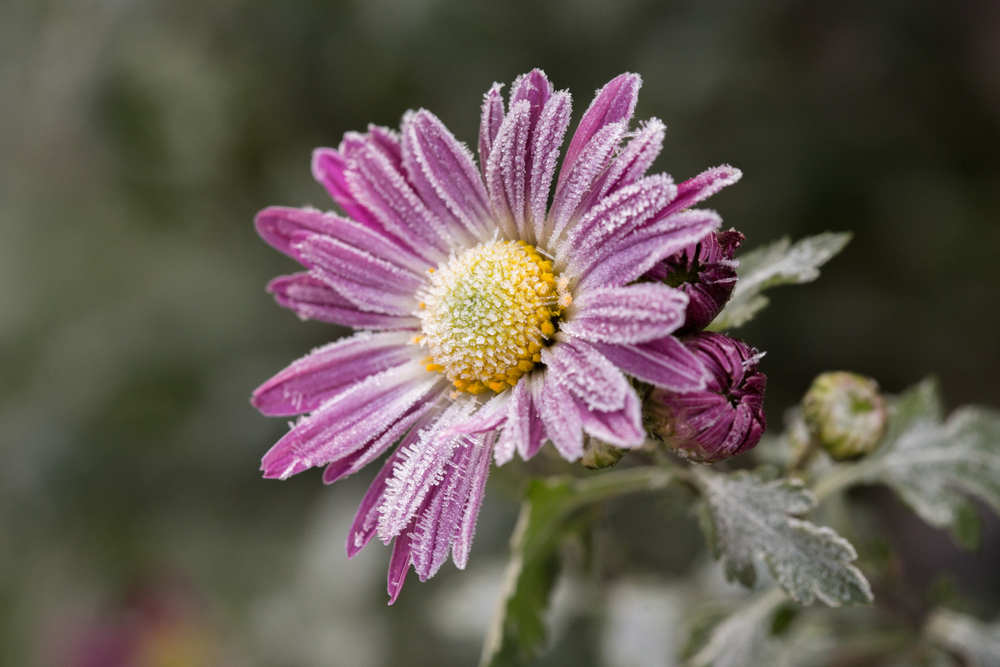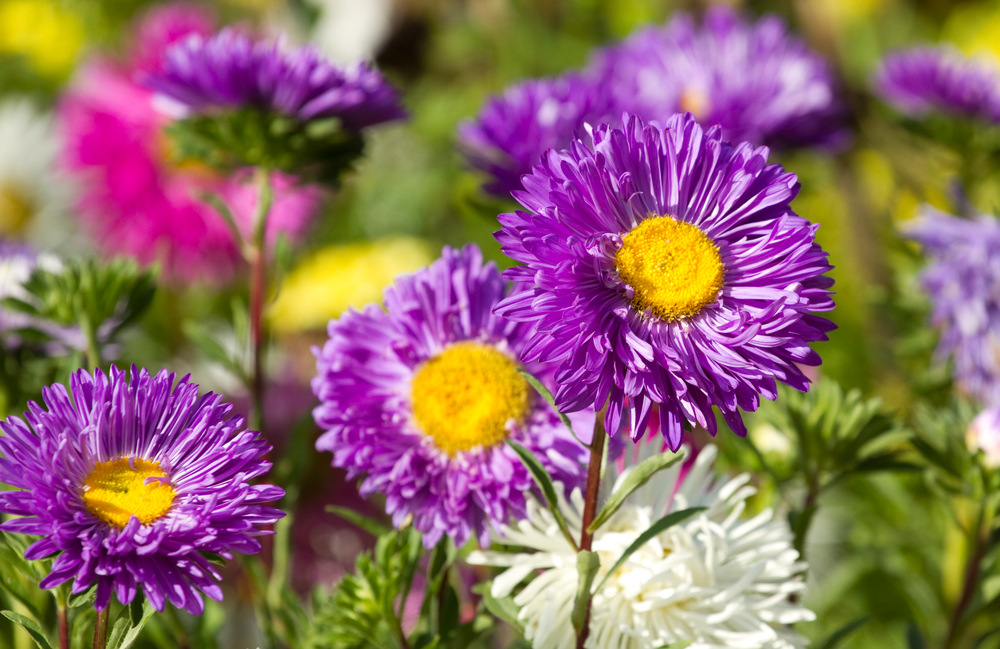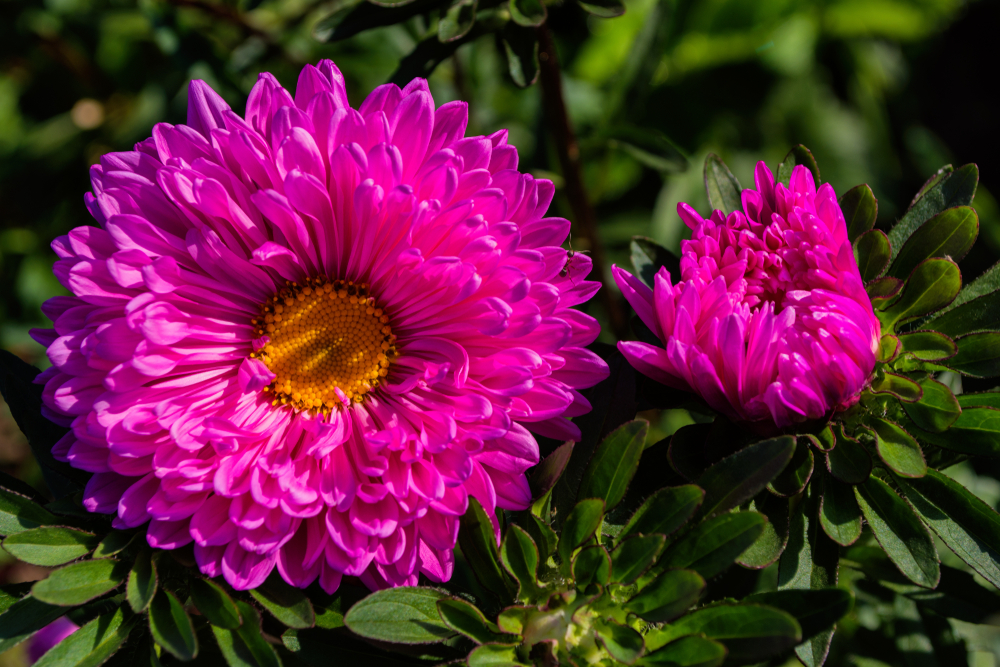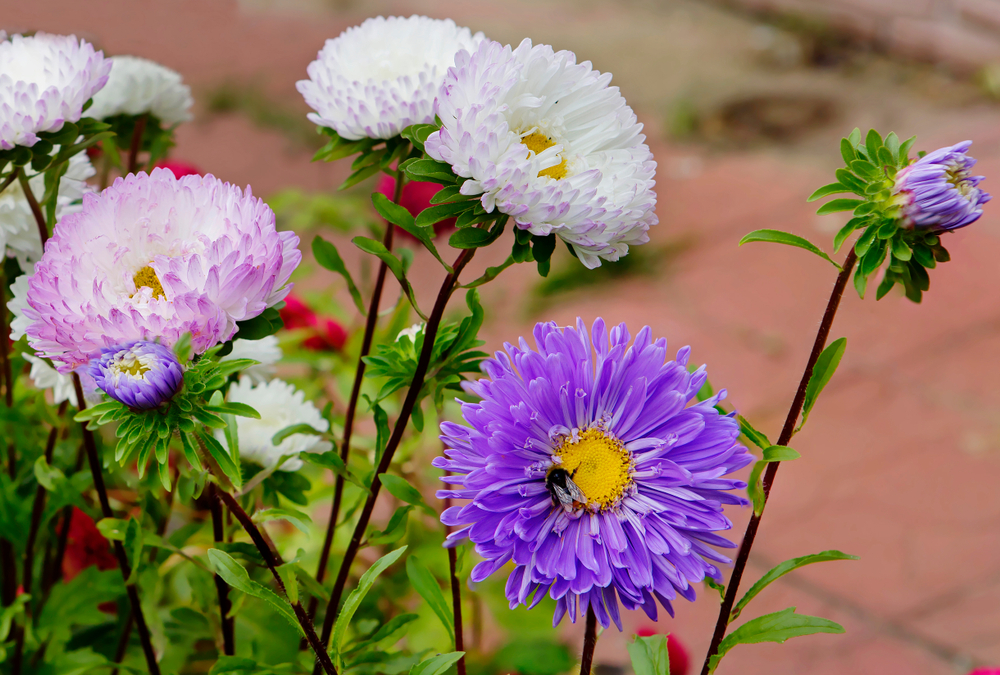
Asters are those reliable, bloom-happy perennials that honestly belong in every garden. For the most part, these plants are super low-maintenance and tough as nails. Depending on which variety you pick, they can brighten up your yard from early spring all the way into late autumn. But even the heartiest asters can run into a bit of trouble sometimes. Keeping a close eye on your plants is key so you can jump in and help if things start looking a little “off.”
Aster Wilt
A healthy aster should have lush green foliage and plenty of flowers. If you notice the leaves hanging limp, don’t automatically reach for the watering can! Check the soil first—if it’s already moist (or even soggy), dehydration isn’t your problem. You’re likely looking at Aster Wilt. This is a fungal disease that basically clogs the plant’s “plumbing,” preventing water from moving through the stems. The leaves will turn brown, then black, and eventually die off.
Unfortunately, once a plant has Aster Wilt, there’s no saving it. Your best bet is to dig it up immediately—be generous with the root ball—and toss it in the trash (not the compost!) to keep the fungus from spreading. The soil in that spot will remain contaminated for a long time because the fungus overwinters in the ground. You can try treating the soil with calcium cyanamide, but even then, new asters could still get infected in that same spot for up to eight years. It’s definitely better to find a fresh location for any new aster plantings.
Powdery Mildew on Asters
If your asters are getting splashed from above too often and their leaves stay damp, they might fall victim to Powdery Mildew. You’ll know you’re dealing with it if you see:
- White or grayish spots on the leaves
- A dusty, flour-like coating on the foliage
- The “powder” spreading to buds and shoots as it gets worse
- Affected parts turning brown
- Leaves dropping off
- Buds failing to open
If you don’t step in, the mildew will eventually cause the plant to waste away. First things first: prune off all the infected parts and throw them in the garbage to protect your other plants. After that, you’ll likely need to apply a fungicide. To prevent this headache in the future, try to water your asters at the base of the plant only—keeping those leaves dry makes a world of difference!