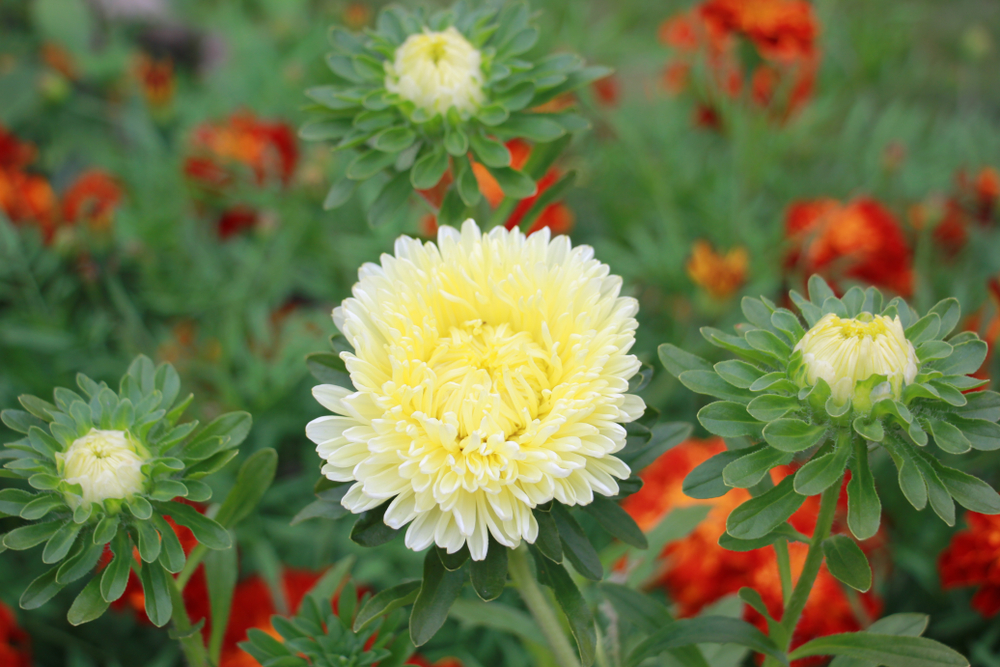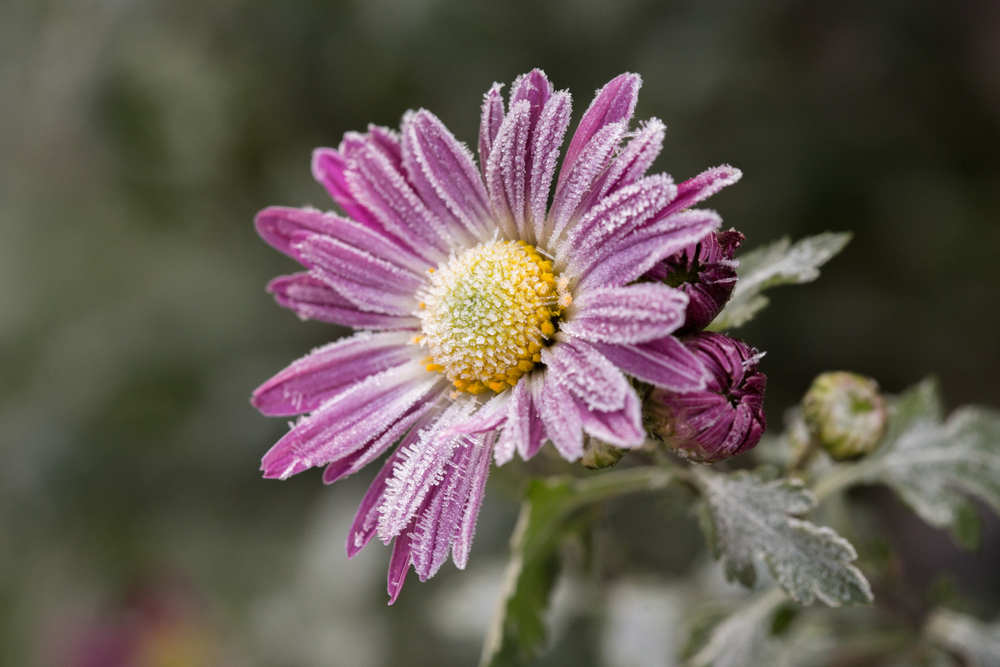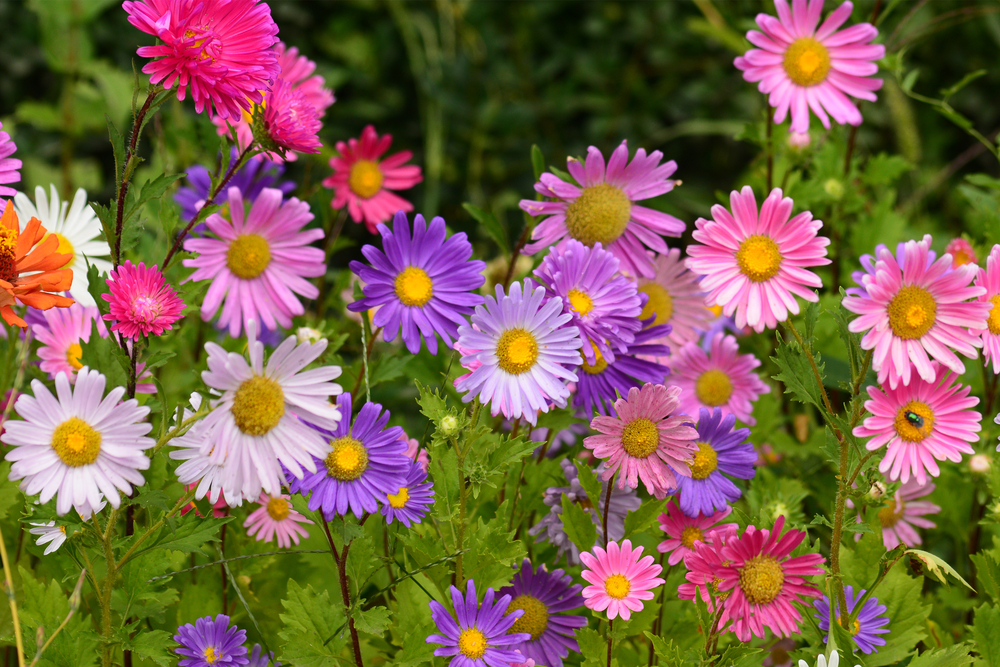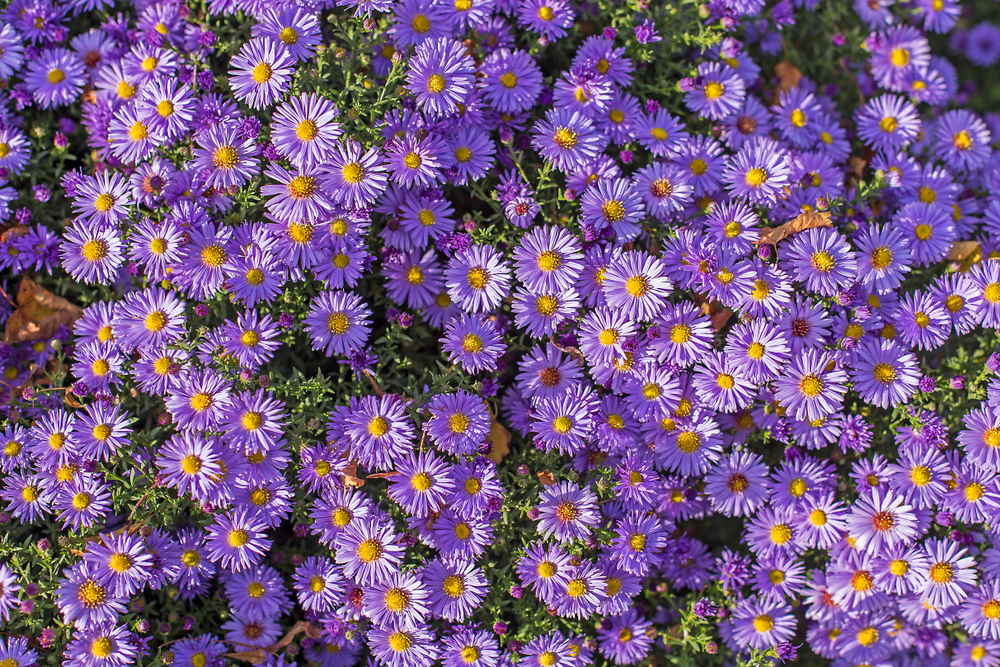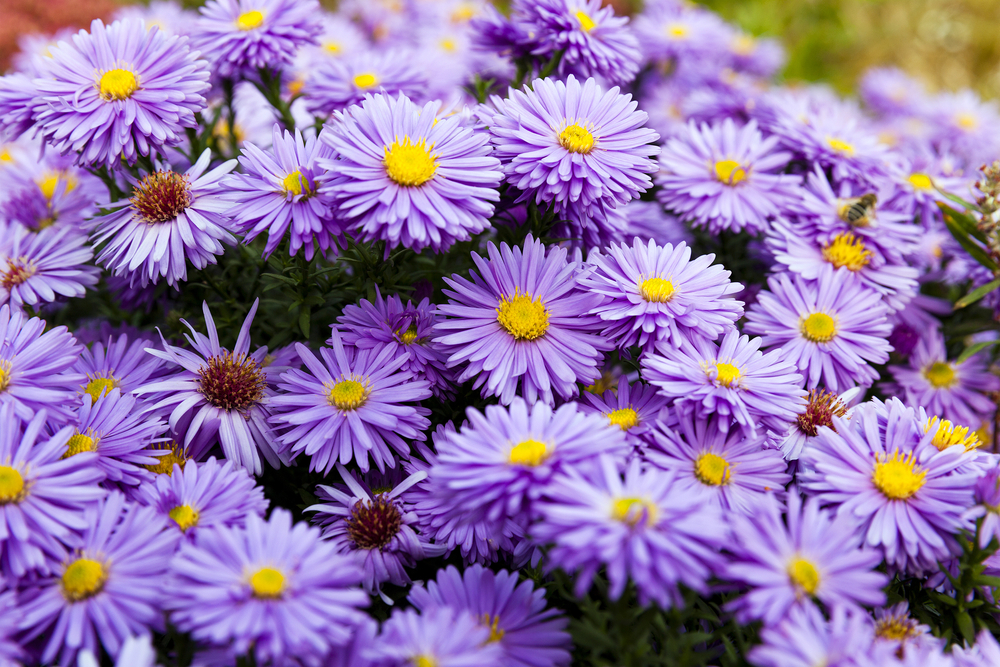
Dwarf cushion asters are those reliable, long-lived perennials that bring a massive pop of color to your garden. They’re super versatile—perfect for filling out flower beds or acting as a charming border around your patio. If you plant a few of them close together, you’ll get a stunning “carpet” of blooms that can handle chilly winter temps like a pro.
Finding the Perfect Spot for Your Cushion Asters
Generally speaking, cushion asters are tough cookies. With just a little TLC, they’ll brighten up your yard for years. The secret to success starts with picking the right location. Here’s what they’re looking for:
- A sunny to partly shaded spot (keep in mind, more sun equals more flowers!)
- Protection from harsh winds
- Fresh, loose soil that’s rich in nutrients
- Humus-rich or sandy-loam soil that drains well
- Consistent moisture
- No standing water (avoid planting them in low spots where puddles form)
Winter Protection for Cushion Asters
Most cushion asters are quite hardy, but young plants or new additions to your garden can be a bit sensitive and need a little extra help during their first winter. Even established plants that have been cut back appreciate a shield against icy winds. Before the ground freezes, you can protect the root zone with:
- Bark mulch
- Brushwood
- Pine or spruce branches
- Dry leaves
- Compost
Wait until the temperatures start to climb in the spring to remove the cover so the new shoots can emerge. Once you uncover them, a little bit of fertilizer is a great way to jumpstart their growth for the season.
Overwintering Cushion Asters in Pots
Yes, you can definitely keep your asters in containers over the winter! Just move the pots close to the house, ideally in a corner protected from the wind. Place the pot on a thick piece of Styrofoam or a wooden slab to insulate it from the cold ground. Wrap the pot in bubble wrap and cover the plant itself with burlap or garden fleece. Don’t forget: the plant shouldn’t dry out completely, so give it a little water on days when the ground isn’t frozen.
Snow: Nature’s Winter Blanket
Believe it or not, a good snowfall is actually great news for your garden beds. A layer of snow acts as natural insulation against freezing winds and traps a bit of ground heat, preventing the root balls from freezing solid. Plus, as the snow melts, it keeps the soil moist so your plants don’t dehydrate. So, feel free to leave that snow right where it is on your beds and pots!