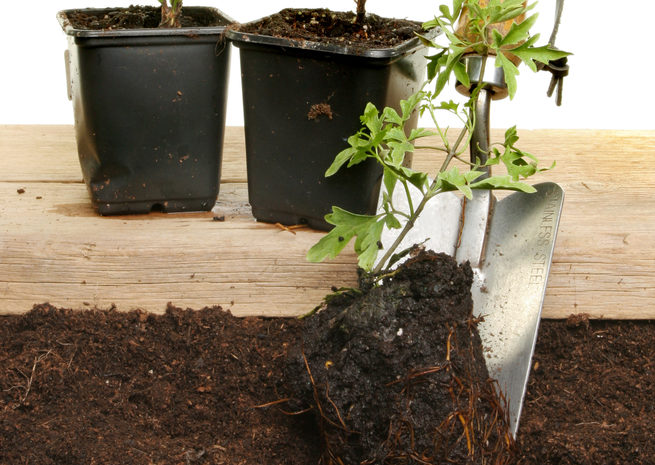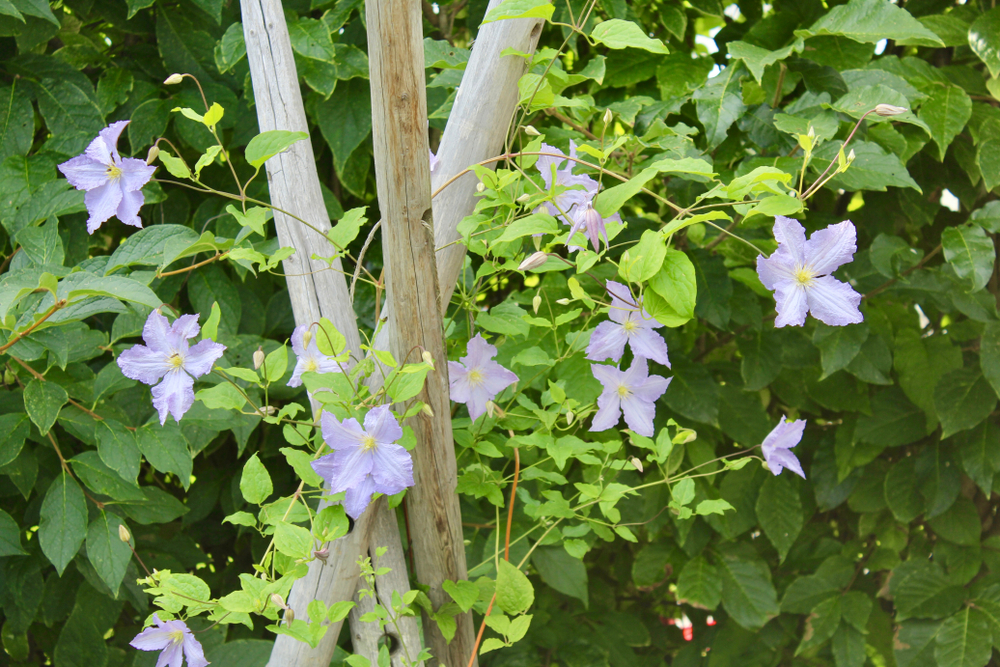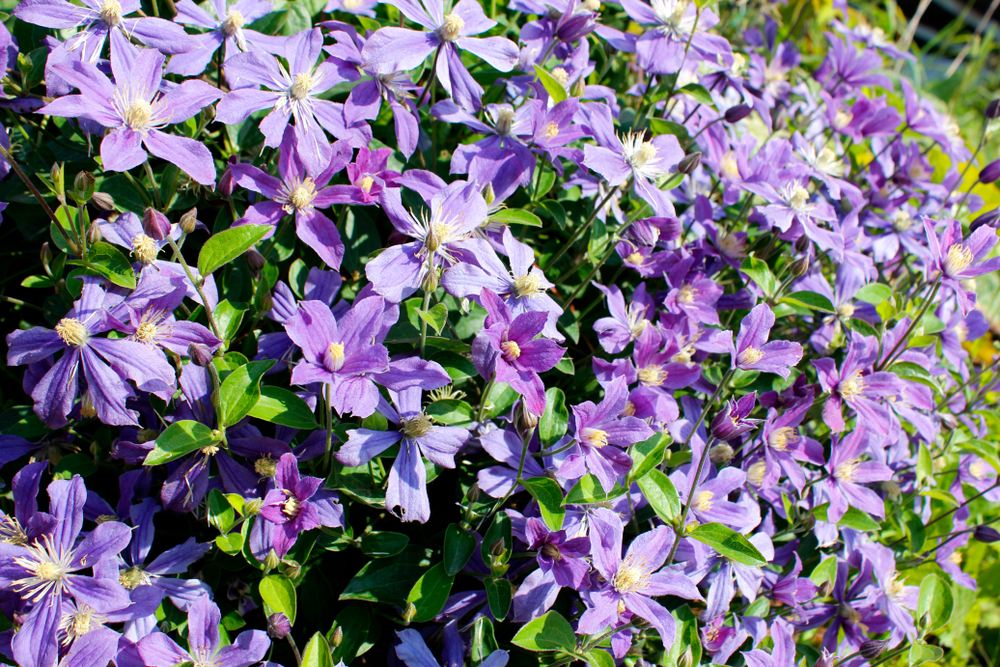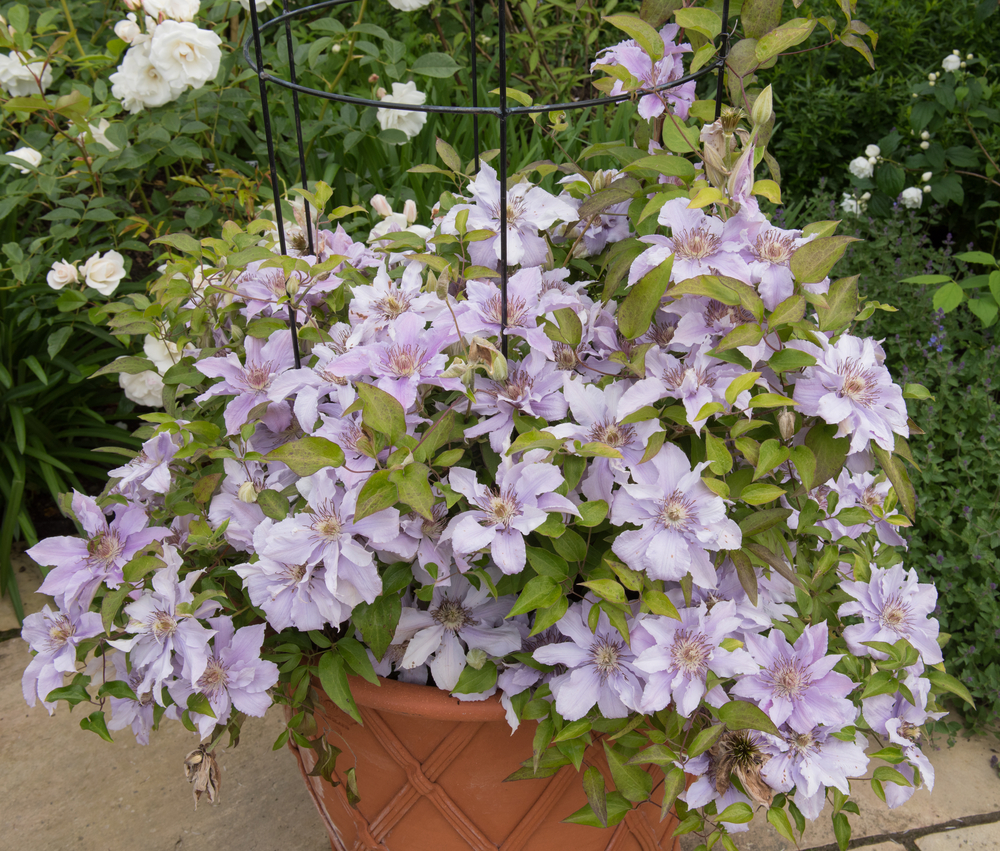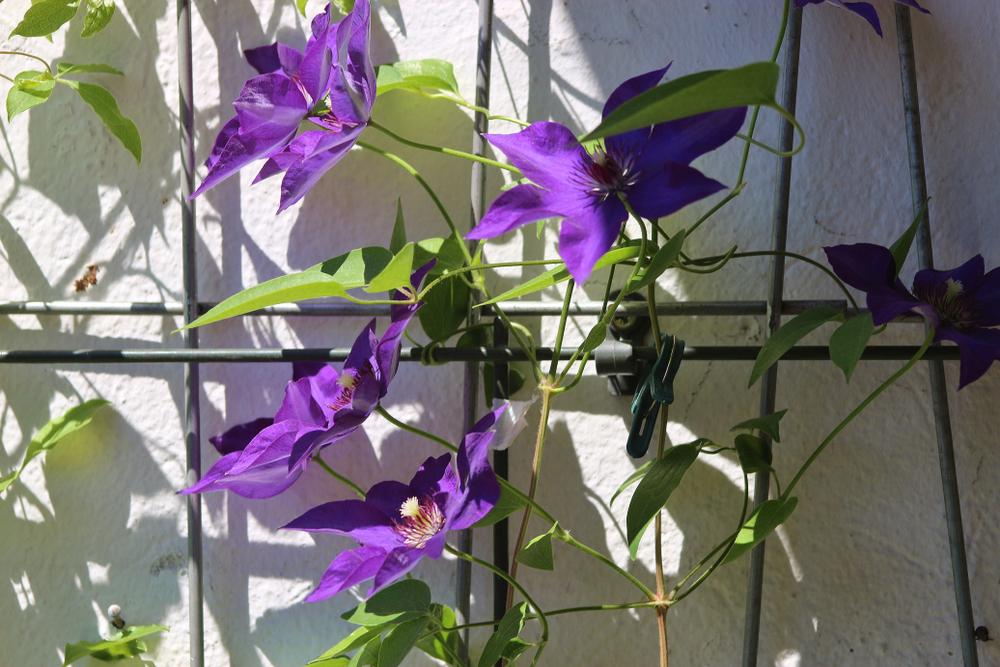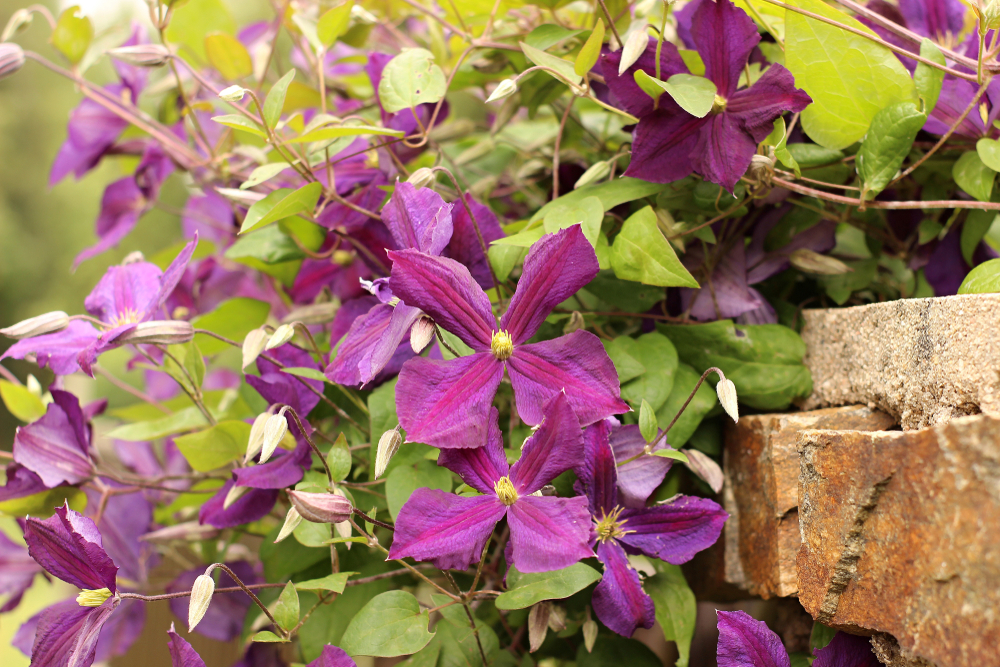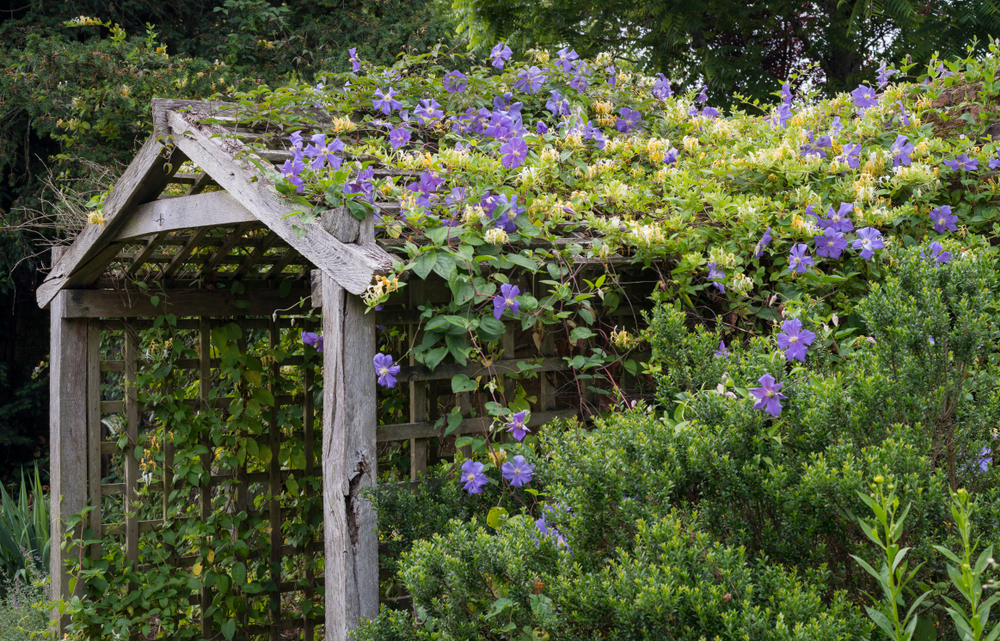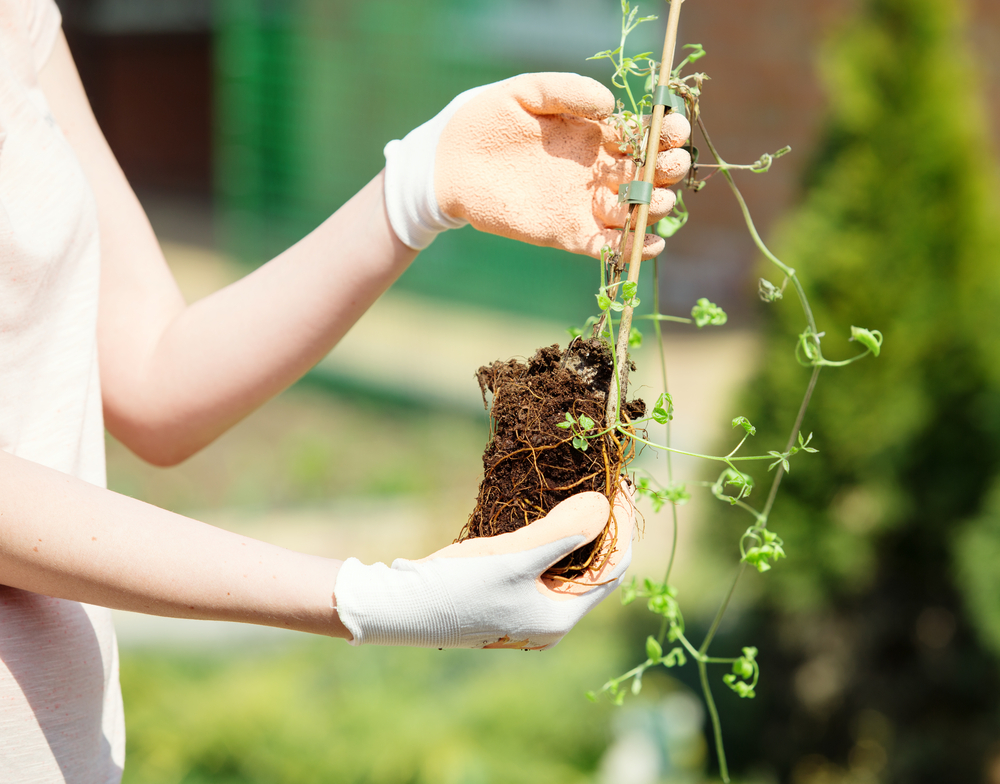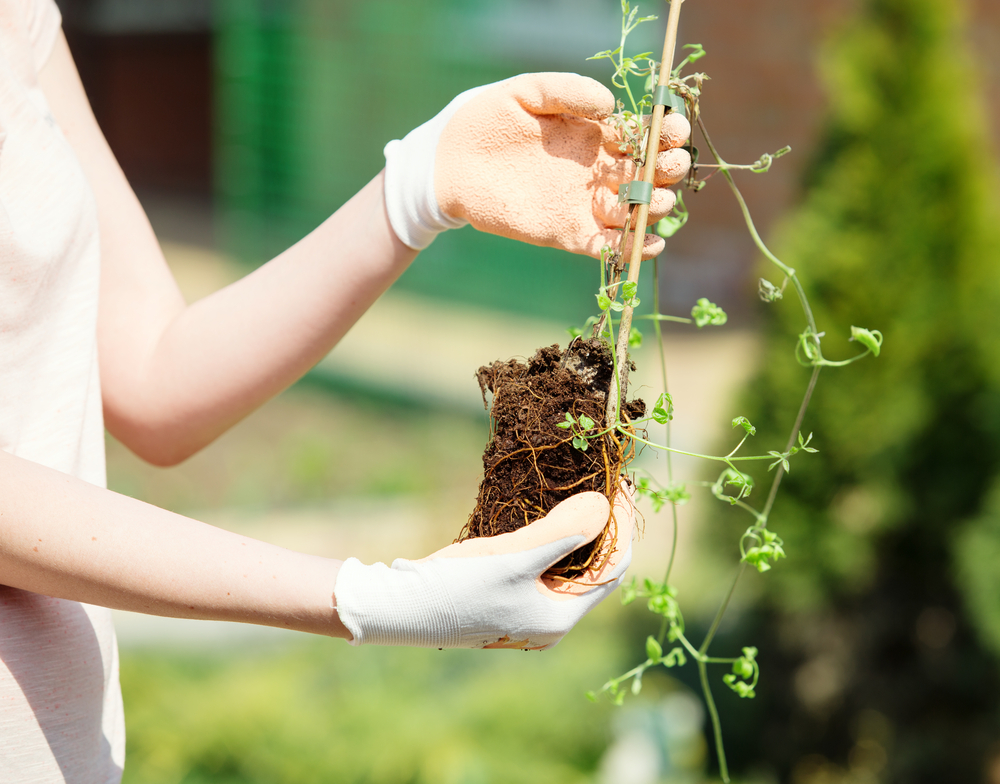
Technically, you can plant Clematis in your garden year-round, but most of us start with young container-grown plants. Why? Well, if you try starting from seed, you might be waiting up to three years just to see a sprout! Unless you’re lucky enough to get some cuttings from a friend, buying a potted plant is definitely the way to go.
The Best Time to Plant
Even though you *can* plant anytime the ground isn’t frozen, there’s a “sweet spot” for success. The ideal window is between August and October. Planting during late summer or early fall gives the root ball plenty of time to get established before winter hits, giving your vine a much better chance of thriving through the cold months.
Finding the Perfect Spot
Choosing the right location is the secret sauce to a happy Clematis. These plants can be a bit picky about their soil—they love it rich and full of nutrients. If your garden soil is a bit thin or “lean,” you’ll need to be extra diligent with the fertilizer.
Light is the other big factor. There’s an old gardening rule for Clematis: “Heads in the sun, feet in the shade.” While the vines want to climb toward the sunlight, the base of the plant needs to stay cool and shaded. I recommend planting some low-growing perennials like Bellflowers or Coral Bells right next to them to act as a living mulch.
Getting Your Clematis in the Ground
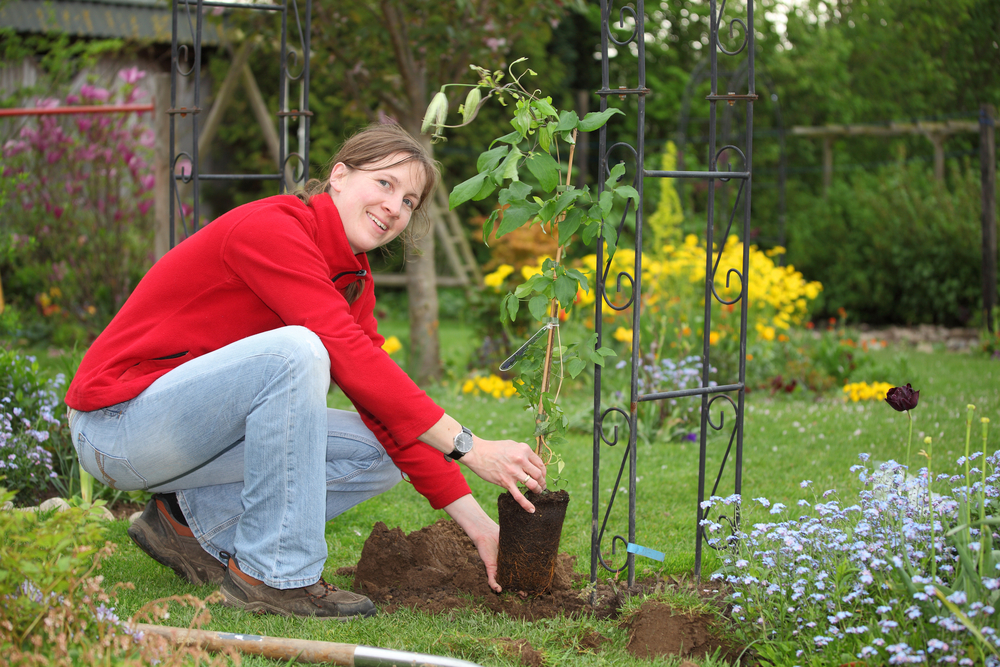
Once you’ve found a spot that’s sheltered from harsh winds and frost, it’s time to get digging! Dig a hole significantly larger than the root ball. Start by adding about four inches of grit or sand at the bottom for drainage—Clematis hate “wet feet.”
When you set the plant in the hole, here’s a pro tip: bury the first two sets of leaf nodes underground. This, combined with good drainage, is a great insurance policy against Clematis Wilt. Finally, backfill the hole with high-quality potting soil or a mix of sand and plenty of organic compost.
To recap, here’s your Clematis checklist:
- Aim to plant between August and October.
- Pick a spot with sunny tops and shaded roots.
- Use nutrient-rich soil.
- Always include a drainage layer and bury the bottom two leaf pairs.