If you’ve been dreaming of picking sun-warmed strawberries right in your own backyard, there’s no reason to wait! Starting your own strawberry patch is one of the most rewarding projects a gardener can take on. As long as you keep a few things in mind regarding the right spot, soil quality, and harvest tips, you’ll be enjoying those sweet red berries for years to come.
Growing Strawberries at Home: Care Tips
Growing strawberries isn’t exactly rocket science, but they do crave a little extra TLC. Trust me, though—the payoff of biting into a homegrown, aromatic berry makes every bit of effort worth it. Once your plants are in the ground, consistency is key. You’ll want to water them regularly to keep the soil evenly moist. On those hot, sunny summer days, plan on watering daily; young strawberry starts can dry out faster than you’d think!
Keep an eye out for long runners (those vine-like shoots the plant sends out). If your plants are producing too many, go ahead and snip them off. You want the plant to focus all its energy on growing juicy fruit, not extra vines. Every now and then, you’ll also see some withered leaves—just gently pull those off. And of course, stay on top of the weeds! Just be careful not to dig too deep when weeding, as strawberry roots are quite shallow and delicate.
After planting, I highly recommend mulching the area. It’s a lifesaver for suppressing weeds and keeping moisture in the soil. Great options for mulch include:
- Dried leaves
- Bark mulch
- Pine needles
- Straw (the classic choice!)
Don’t forget to feed your plants! Regular organic fertilizer—like a good scoop of compost—will ensure healthy growth and a massive harvest.
Strawberry Winter Care and Frost Protection
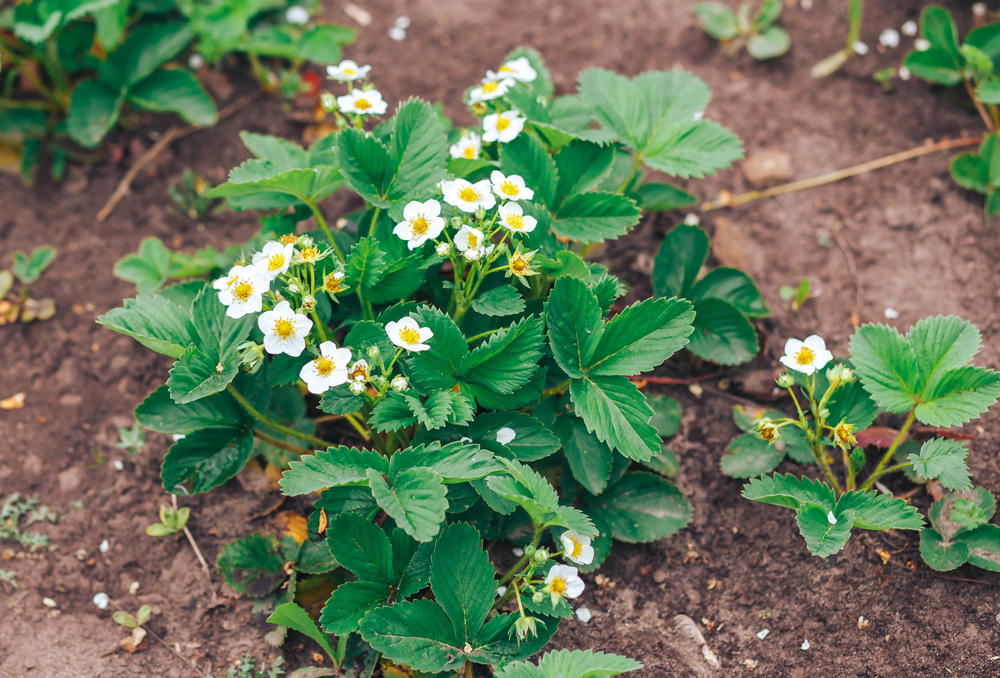
For the most part, strawberries are pretty hardy. The real danger comes in the spring: if your plants have already started flowering and a late frost hits, those blossoms are at risk. If the forecast looks chilly, cover your plants overnight with a garden fleece or plastic sheeting to save your future harvest.
Once the harvest season is over, your strawberries will stay right where they are for the winter. To set yourself up for success next year, there’s a little “housekeeping” to do. Trim away any yellow or wilted leaves and clear out any unripened or rotted fruit. You should also cut back the runners and trim the foliage down to just a few inches. Just be sure to leave the “crown” (the center bud) intact!
To help your berries survive the winter, give them one last feeding of compost. Potassium is especially great for boosting winter hardiness. Finally, tuck them in with a protective layer of straw or evergreen brush to shield them from the deep freeze.