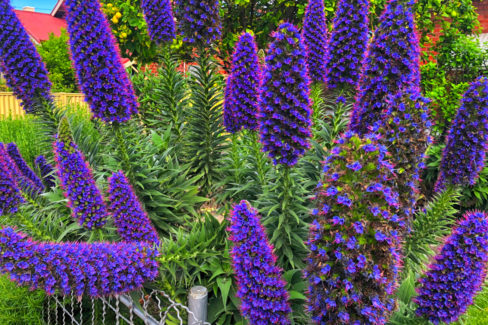
Viper’s Bugloss, known botanically as *Echium*, is a fantastic way to add a unique, wild touch to your garden. If you’re looking to grow these beauties from scratch, there are a few tricks to keep in mind to make sure they thrive and put on a show.
Versatile Growing Options
The great thing about *Echium* is its versatility. You can easily grow it:
- Directly in your garden beds,
- Or in pots and containers for your patio.
Getting Your Hands on Seeds
You can grab a packet of seeds at your local garden center, or if you (or a neighbor!) already have some growing, you can harvest them yourself. The tiny seeds are tucked away inside the plant’s nutlets. By mid-August through late September, the fruit should be ripe—you’ll know they’re ready when they look brown and dried out. The seeds themselves look a bit like black sesame seeds.
When to Plant
Timing is everything! The best time to sow your seeds is either early in the year (around February) or later in the season during late summer or fall.
The Perfect Spot
Viper’s Bugloss loves to soak up the sun. To keep it happy, pick a spot that is bright and dry. As for the soil, here’s the checklist:
- It should be well-draining, loose, and deep.
- Sandy or lime-rich soil is a big plus.
- Don’t worry about fertilizer! These plants actually prefer “poor” soil and don’t need many nutrients to thrive.
Sowing Directly in the Garden
For the best results, sow your seeds directly where you want them to grow. *Echium* seeds are a bit picky: they are “cold germinators” and “dark germinators.” This means they need a thick layer of soil covering them and cool temperatures (between 50°F and 60°F) to sprout. Because of this, trying to start them in a warm greenhouse or inside your house usually won’t work out well.
Keep the soil consistently moist, but be careful not to overwater. If the conditions are right, you’ll see the first little sprouts popping up in just a few weeks.
Growing in Containers
If you’re short on garden space, don’t sweat it! You can sow *Echium* in pots or planters to brighten up your balcony or terrace.
Patience is Key: Flowers in Year Two
Don’t be discouraged if your plants don’t bloom right away. In their first year, they focus on growing a lush rosette of leaves. The stunning flower spikes won’t appear until the second year. It’s totally normal and just part of the plant’s natural rhythm—I promise the wait is worth it!