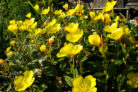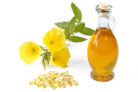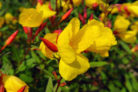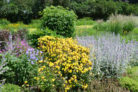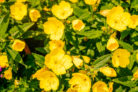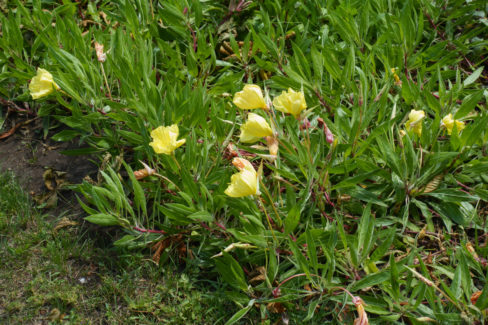
Growing Evening Primrose—also known as Suncrops or Fever-plant—is a total breeze. These beauties can reach up to five feet tall and come in both annual and biennial varieties. Usually, they’re pretty good at self-seeding and doing their own thing, but you can easily start your own patch using store-bought seeds or some you’ve gathered yourself.
Prepping the Soil
If you want your seeds to have the best start in life, you’ve gotta prep the bed. Start by loosening up the soil with a spade or a garden fork. Once it’s nice and crumbly, smooth out the surface. Scatter your seeds evenly across the area and cover them with just a light dusting of soil. Pro tip: avoid planting them in stiff, straight rows—it ends up looking a bit too artificial. A natural, scattered look is much more “cottage garden” chic!
Sowing Directly Outdoors
If you’re planting annuals, you can sow them directly into the garden from mid-April to early May. For the biennial types, aim for mid-July to mid-August. You’ll usually see sprouts popping up after about two weeks. Give them another 2-3 weeks to get established, then thin them out so they’re spaced about 10 to 12 inches apart. Be careful when watering the youngsters; they hate “wet feet,” so use a gentle spray nozzle on your hose to avoid waterlogging the soil.
Starting Seeds Indoors
For the more cold-sensitive varieties, starting them indoors is a great way to give them a head start. Grab some seed trays or a mini greenhouse kit and some high-quality seed-starting mix.
- Moisten the soil first, then scatter your seeds evenly and press them down firmly.
- Cover them with a very thin layer of soil.
- Pop a lid or some plastic wrap over the top to keep the humidity nice and high.
- Once you see the first “true” leaves appearing, it’s time to move them into their own individual pots.
- Slowly harden them off by putting them outside during the day.
- After the last frost in May, you’re safe to move your plants into the garden.
- For the best look, plant them in small clusters of 3 to 5.