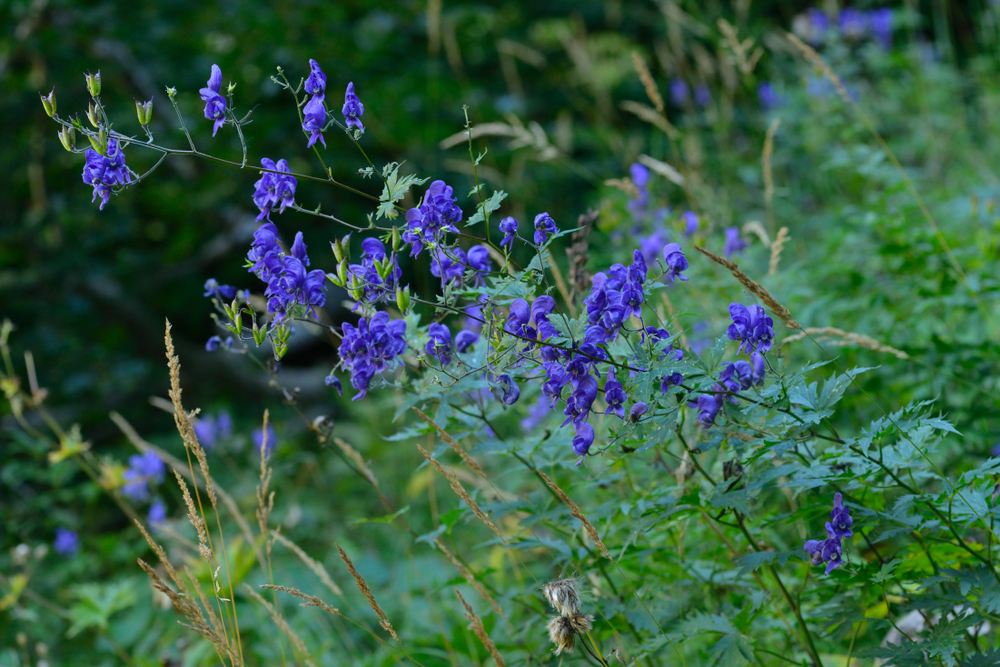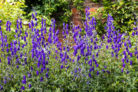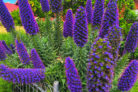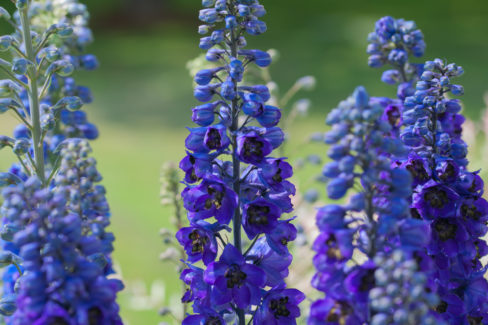
Monkshood—named for its unique flowers that look just like a medieval knight’s helmet—is a total standout in the garden. Despite its reputation for being toxic, gardeners love it for those stunning spikes of bright blue, purple, yellow, or white. While you can easily grab a potted plant at your local nursery, there’s something extra rewarding about starting your own from seed.
Finding the Perfect Spot
Before you get started with your seeds, you’ve got to find the right “home” for them. Monkshood thrives in partial shade where it can stay nice and cool. Think spots near garden walls or under the canopy of trees where it’s protected from harsh winds. As for the soil, these plants are a bit picky: they want it rich in nutrients, well-draining, and packed with organic matter. Aim for a soil pH between 6.5 and 7.4. They also love consistent moisture, so keep the soil damp, but make sure it’s not sitting in a puddle!
Now, a quick “safety first” talk: Monkshood is actually one of the most poisonous plants you can grow. Its toxins can be fatal to both humans and pets. Because of this, you need to be really strategic about where you plant it. Keep it far out of reach of kids and curious furry friends. If your garden is on the smaller side and you can’t guarantee a safe distance, it’s honestly best to skip this one and choose a safer perennial instead.
Sowing Your Seeds
If you’re a beginner, starting from seed is actually a bit safer than handling a mature plant. Here’s the step-by-step on how to get them growing:
- Timing is everything: Plan to sow your seeds in December or January. Monkshood seeds are “cold germinators,” meaning they need a long period of winter chill to wake up and sprout.
- Prep the bed: These seeds are pretty delicate. Pro tip: Water the soil before you sow. This way, you don’t have to water them immediately after planting, which prevents the tiny seeds from getting tossed around or buried too deep.
- Give them space: Scatter the seeds generously, but don’t let them clump up. If they’re too crowded, the seedlings will come up weak and spindly.
- Suit up: Always wear gloves! Even the seeds contain toxins. Be careful not to spill them where a bird or neighborhood pet might find them.
- The light touch: Gently press the seeds into the damp soil.
- Don’t bury them: Only cover them with a very thin dusting of soil.
- Thinning out: Once your seedlings are about an inch tall, it’s time to thin them out (prick them) so they have room to breathe. Again, keep those gloves on—you don’t want any of that sap touching your skin!