Common spruces are a staple of our local evergreen forests, but did you know several varieties are actually perfect for your backyard? With a little know-how, you can successfully plant one of these beauties and enjoy it for years to come.
Ways to Grow Your Spruce
Because there are so many different species out there, spruces are incredibly versatile. Depending on your space, you can grow them:
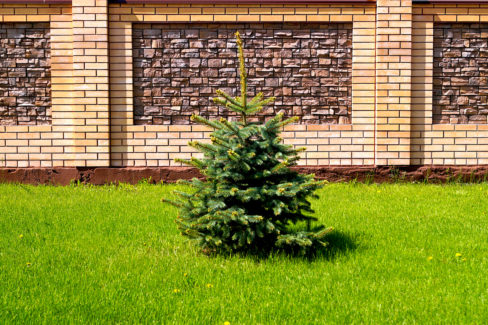
- As a stunning standalone specimen tree,
- To create privacy hedges,
- In pots and containers for your patio,
- Or even as a bonsai.
Choosing the Right Variety
The key is matching the variety to your space. Your standard forest spruce can get massive, so it’s not always the best fit for a small suburban yard. If you’re tight on space, look for dwarf varieties or slow-growing cultivars. Two fan favorites for home landscaping are the Serbian Spruce and the classic Alberta Spruce.
The Perfect Spot
Spruces are happiest in spots that get full sun to partial shade. They love soil that is well-draining, rich in nutrients, and stays slightly moist. Try to avoid super dense or heavy clay soil, as it can prevent the tree from establishing deep roots. On the bright side, spruces aren’t too picky about soil pH!
Getting Your Spruce in the Ground
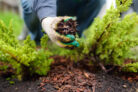
When you’re ready to plant a nursery-grown tree, make sure to dig a hole that is nice and wide. If your soil needs a boost, mix in some compost or organic fertilizer to give the roots a head start. If you’re planting a taller tree, it’s a good idea to use a stake for support so it doesn’t get knocked around by heavy winds.
If you are starting with saplings, keep a close eye on your watering schedule for the first few weeks. Consistent moisture is the secret to helping those young roots take hold.
Spacing Matters
Don’t forget that spruces don’t just grow up—they grow out! Their root systems can spread quite wide, so be sure to plant them a safe distance away from your house, walls, or property lines.
If you’re planting a spruce hedge, you’ll want to space the individual plants about 20 to 30 inches apart (depending on the variety) to ensure they grow together into a thick, lush screen.
Underplanting
If you want to fill in the space beneath your tree, there are several shade-tolerant plants that work great for underplanting around spruces.