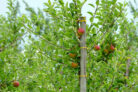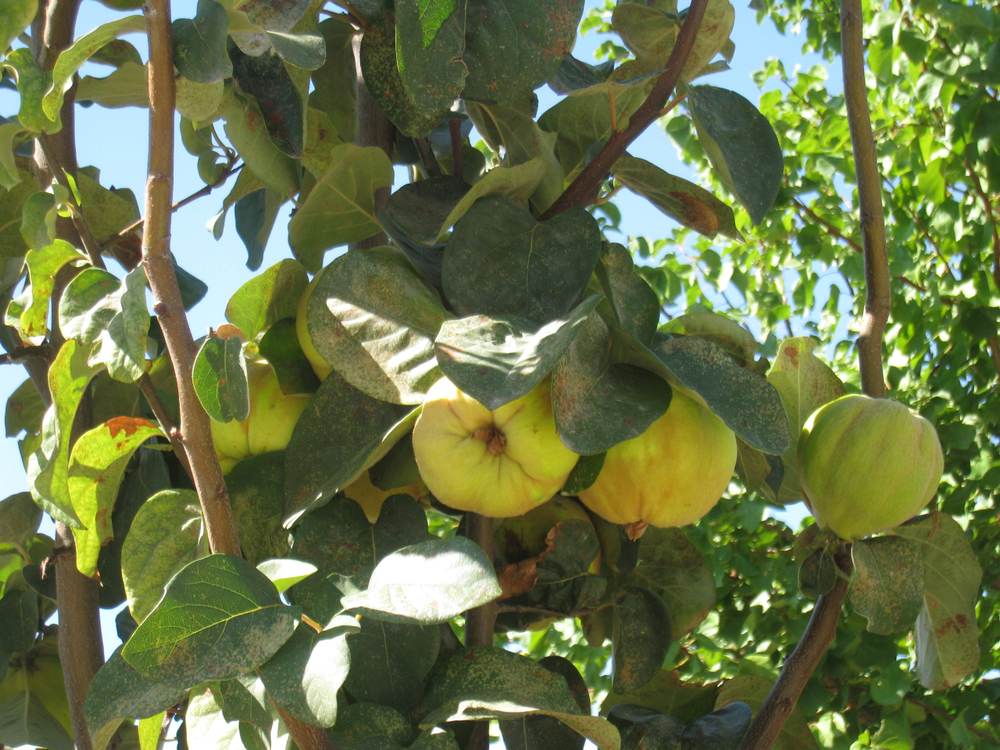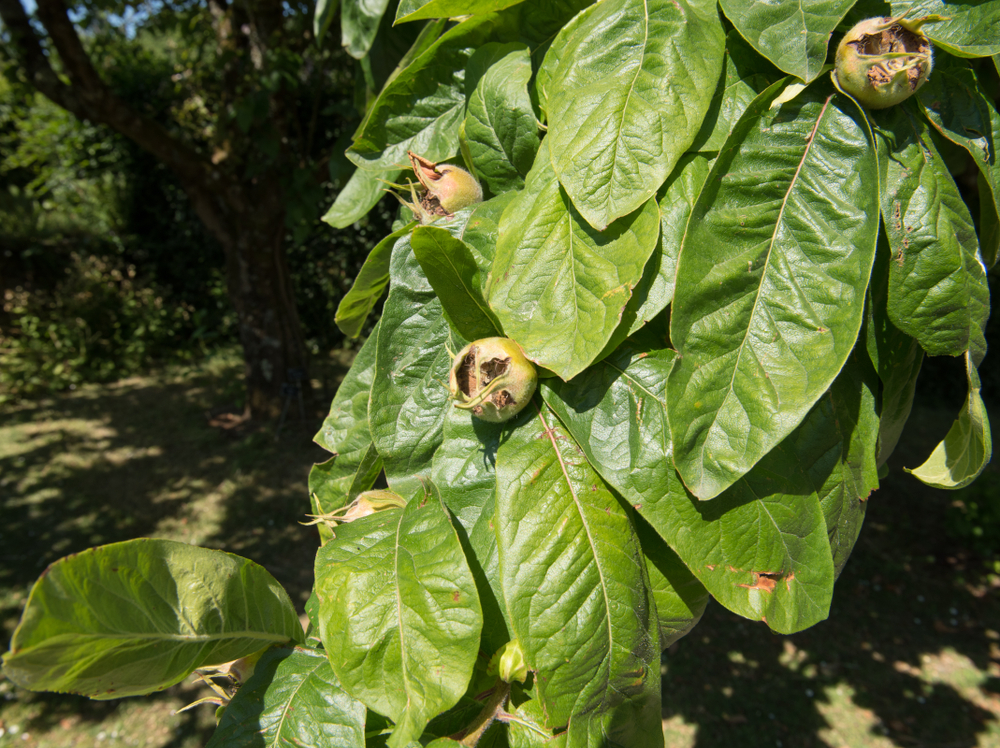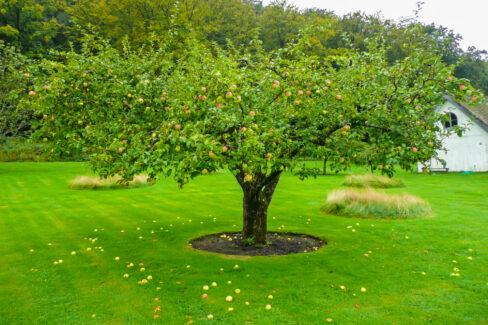
Apple trees are a total showstopper in any backyard. If you’ve got even a little bit of extra space, I can’t recommend planting one enough! That said, they come in all sorts of shapes and sizes, so picking the right variety for your specific spot is key. Your local nursery is usually the best place to start for some expert advice.
Apple Trees for Gardens Big and Small
You don’t need a massive orchard to enjoy homegrown fruit. While apple trees are a classic choice for large properties, dwarf apple trees are perfect for smaller suburban yards. If you plant one near a wildflower patch, you’ll be doing the local bees and pollinators a huge favor during blossom season. Plus, any fallen fruit left over in the winter provides a great snack for birds and other backyard wildlife.
Finding the Sunny Spot
Most apple trees are sun-seekers and love a spot that’s bright but protected from harsh winds. You’ll want soil that’s rich in nutrients and doesn’t dry out too quickly. While most crave full sun, there are actually some varieties that do just fine in partial shade—just make sure you’re mixing plenty of organic matter into the soil if you go that route. And hey, if your backyard soil is less than ideal, don’t sweat it! Apple trees actually grow beautifully in containers and pots.
All About the Soil
For a happy tree, you’re looking for soil that is about 30 to 40 inches deep, moist, and packed with nutrients. Watch out for “wet feet” (standing water), high groundwater, or soil that’s too shallow; these can make your tree more vulnerable to frost and drought. Apple trees also appreciate a bit of humidity. If the air gets too hot and dry, you might run into issues with powdery mildew or aphids. Frost hardiness varies by variety, but generally, the wetter the soil and the cooler the climate, the more sensitive the tree will be to a hard freeze.
Choosing the Right Tree for Your Space
At the end of the day, your specific location should dictate which tree you bring home. Definitely chat with the folks at your local garden center to find the right fit. Some varieties are naturally hardier than others. Another thing to keep in mind is the “rootstock.” Most apple trees are grafted, meaning the top part (the tasty variety you want) is joined to the roots of a different variety. These rootstocks determine how big the tree will eventually get and how fast it grows, which is super important when you’re planning out your garden layout!