Pear trees grown as standard trees (or “high stems”) are absolute showstoppers with their narrow, upright crowns. If you’re thinking about adding one of these beauties to your backyard, you’ll definitely want to plan ahead for the space they need. Here’s the lowdown on growing these garden giants.
What Exactly is a Standard Pear Tree?
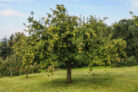
In the gardening world, a “standard” refers to a tree where the crown doesn’t even start until about 5 to 6.5 feet off the ground. Since these trees can soar to over 30 feet tall, they’re really best suited for larger yards. Because they are typically grafted onto seedling rootstock, they develop deep, sturdy roots that anchor them firmly in the earth.
Just a heads-up: you’ll need a little patience! You usually won’t see your first harvest until 5 or 6 years after planting. These trees put all their energy into growing tall first, meaning they take their time developing fruiting wood. But once they get going? The harvest is massive thanks to the sheer size of the tree.
Finding the Perfect Spot
Pear trees generally love a warm spot that’s protected from harsh winds. The cool thing about standards is that they aren’t quite as picky about their location as spindle or columnar pears. However, they still hate “wet feet” (standing water). Since their roots reach deep down, you’ll want deep, loose soil where the roots won’t get stuck in a high water table.
The soil should be well-draining and rich in organic matter. To keep the area around the trunk healthy, you can keep it weed-free or plant some pretty marigolds or mustard greens. Just be careful when digging around the base—pear trees have fine feeder roots that grow just below the surface. They also do perfectly fine growing right in the middle of a well-maintained lawn.
Can You Grow Your Own Standard?
Technically, you could try to train any pear tree into a standard, but it only really works if the tree is grafted onto vigorous rootstock. Weak rootstocks just don’t have the “oomph” to support such a massive tree; the tree will end up looking sickly and won’t produce much fruit.
Maintenance and Care
Right after planting , you’ll want to give your pear tree a little trim. To get the “sap flow” balanced correctly, the main leader and side branches should be shortened to create a wide triangular shape. In the following years, your main job when pruning is just thinning out branches that are growing inward or getting too crowded. This keeps the air flowing through the canopy, which is the best way to keep pests and diseases at bay.
Pro Tip: When you plant a standard pear tree, you’re planting a legacy. These trees live a long time—some have been known to stand strong for over 180 years!