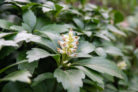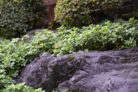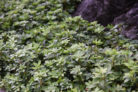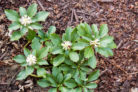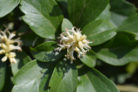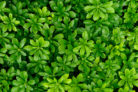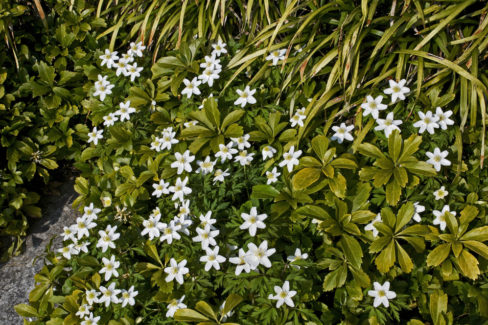
Japanese Spurge—or *Pachysandra terminalis*, if you want to get fancy—is a total go-to for gardeners looking for a tough, reliable groundcover. It’s famous for thriving under trees and shrubs where other plants just give up. Usually, these little guys (which only grow about 8 inches tall) are pretty low-maintenance, but even the heartiest plants can run into trouble. If you aren’t careful, a few nasty diseases can really thin out your lush green carpet.
What Makes Pachysandra Happy (and What Doesn’t)
To keep your Pachysandra looking its best, you’ve got to embrace the shade. These plants absolutely hate direct sunlight; if they get too much sun, their leaves will turn a sickly yellow. They also aren’t big fans of high humidity, which can act like an open invitation for fungus. Before you plant, make sure to loosen up the soil and mix in some organic matter like humus. They love soil that is fresh, moderately moist, and slightly acidic with very little lime.
Common Pachysandra Diseases
Even if you’re doing everything right, Mother Nature can sometimes throw a curveball. One of the most common issues is Phytophthora root rot. You’ll notice the leaves changing color and the stems starting to rot. This usually happens when the soil is too soggy and the weather stays too mild. The damaged stems will either fall over on their own or pull right out of the ground with zero effort—which is why some gardeners call it “damping-off.”
Another one to watch out for is Volutella blight. This is a fungal disease that causes spots on the leaves (often in a ring pattern). If you don’t catch it early, the leaves will turn black and the stems will go soft and mushy.
How to Treat Fungal Issues
If you spot these problems in your garden, your first move should be to grab your shears. Cut out all the infected parts of the plant—be generous with your cuts!—and toss them straight into the trash. Do not put them in your compost pile, or you’ll just be spreading those fungal spores around your yard for next year. If you have healthy plants nearby, it’s a good idea to move them to a fresh spot. In severe cases, you might even need to remove the top layer of soil, as fungi can hang out in the dirt for a long time. You can try using a fungicide, but honestly, it’s not always a guaranteed fix.
Preventing Fungal Diseases
The best defense is a good offense! Giving your groundcover the right environment is the best way to keep it healthy and spreading beautifully. Keep these tips in mind:
- Stick to shady or semi-shady spots.
- Keep them out of direct afternoon sun.
- Make sure the soil drains well (add a drainage layer if your soil is heavy clay).
- Go easy on the fertilizer—honestly, they usually don’t need any at all.
- Keep an eye out for pests and deal with them immediately.
- If you see a sick-looking stem, snip it out right away!