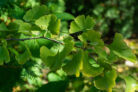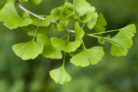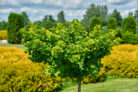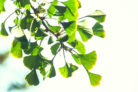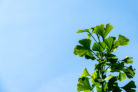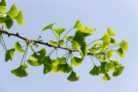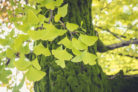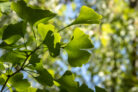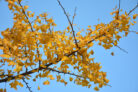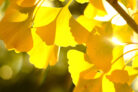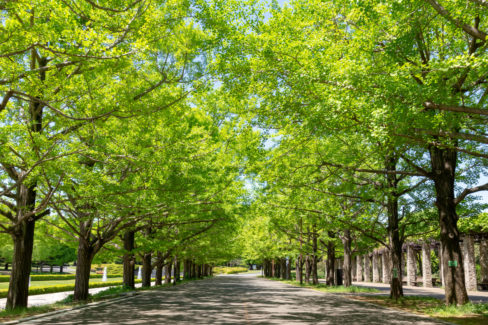
The Ginkgo is one of those “set it and forget it” trees for your garden. Honestly, it’s hard to go wrong with this one! They are incredibly tough and rarely deal with pests or diseases. The only time you really need to play detective is if you notice those beautiful leaves turning yellow in the middle of summer.
A Disease-Free Zone
Believe it or not, there are no known diseases that pose a serious threat to the Ginkgo. As long as you’ve picked out the perfect spot for it, you won’t have to worry about fungi or bacteria moving in. This natural resilience is probably why this tree is the last survivor of its kind!
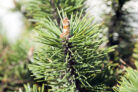
We often call the Ginkgo a “living fossil” because all its relatives went extinct millions of years ago. Botanically speaking, it’s in a class of its own. And here’s a fun fact to impress your neighbors: even though the foliage looks like broad leaves, it’s actually more closely related to conifers (needle-bearing trees).
Watch Out for Drought
While they are hardy, Ginkgos do have a bit of an Achilles’ heel: drought. If your tree starts sporting yellow leaves in the heat of summer, it’s usually a thirsty cry for help. This is especially common if you’re growing a Ginkgo as a houseplant. If you see a long dry spell in the forecast, make sure to give your outdoor trees a good soak. For indoor plants, a simple moisture meter in the soil is a lifesaver to ensure you never miss a watering.
Root Pests
Unfortunately, some underground critters don’t mind the taste of Ginkgo roots. Occasionally, June bug larvae (grubs) will munch on the root system, which can also cause that summer yellowing. Every few years, we see a “boom” in the beetle population, which means more eggs and more hungry larvae looking to fatten up before winter.
Another common headache for gardeners is the vole. These little rodents love to gnaw on Ginkgo roots. In both cases, you’ll want to act fast. The most straightforward way to handle these pests in a home garden is to trap the voles or manually collect the grubs if you’re doing some digging.