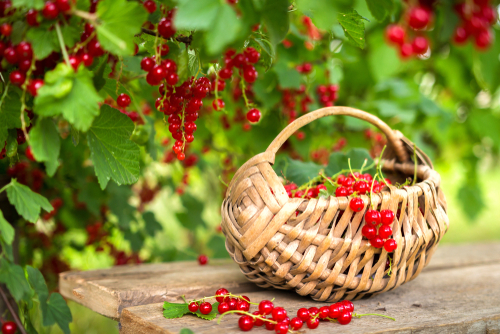
Let’s be real: as much as we love fresh currants, nobody actually enjoys biting into those tiny, gritty seeds or the leftover flower bits. If you want that smooth, gourmet experience for your desserts or jams, the best way to go is to strain them. This leaves you with nothing but pure, delicious fruit pulp.
Harvesting Your Currants
To get the most flavorful pulp possible, timing is everything. If you pick them too early, they’ll be tart and have a bit of a “grassy” aftertaste. Wait too long, though, and they can start to taste slightly fermented.
Pro tip: Try to harvest your currants after a few days of solid sunshine. The sun is what really pumps up the sugar content and flavor! This is exactly why I always recommend picking a sunny spot in your garden when you first plant them. Not only do they taste better, but they also ripen much more evenly.
Prepping and Cooking the Berries
Once you’ve gathered your harvest, give them a quick rinse and pull them off the stems. Try not to let your currants sit around for too long after picking; they’re at their peak flavor right away. If you stick them in the fridge for a few days, they tend to lose some of that natural sweetness.
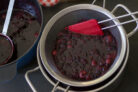
After cleaning and sorting through them, toss the berries into a pot with just a splash of water. Heat them up slowly over a low flame. The slower you go, the less water you’ll need, which means your final fruit pulp will be much more concentrated and flavorful.
Keep them simmering until the skins start to pop. Don’t forget to give them a stir every now and then so nothing sticks to the bottom of the pot!
Straining the Fruit
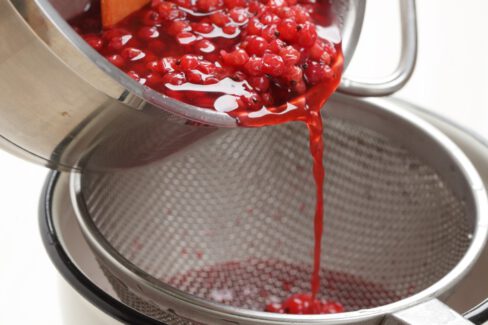
While the berries are still warm, pour them into a fine-mesh sieve. Trust me, it is *so* much easier to strain currants while they’re warm than after they’ve cooled down. Use the back of a spoon to press the pulp through the mesh. Just keep in mind: the finer the sieve, the smoother the pulp—but it’ll also take a little more elbow grease!
Once you’re done, you’ll be left with a pile of skins and seeds. You can toss these in the compost, but some gardeners like to dry them out and grind them into a powder. It’s a healthy, fiber-rich addition to smoothies or yogurt!
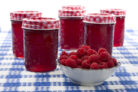
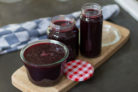
Now you’ve got beautiful, smooth fruit pulp ready to go. You can whip up a batch of homemade jelly, or freeze it in portions to use later for fruit sauces and toppings. Enjoy!