When it comes to pruning, black currants are a bit of a different beast compared to their red and white cousins. But don’t let that intimidate you! Pruning these bushes isn’t complicated at all, and even if you’re a total beginner, you can totally handle it. Trust me, taking the plunge and grabbing those shears will reward you with a massive harvest next season.
Which Black Currant Branches Should You Focus On?
Here’s the deal: black currants grow their fruit on one-year-old side shoots (or the little branches branching off from those shoots). In the gardening world, we sometimes call these “spurs.” By pruning them correctly, you’re basically telling the older main branches to keep branching out and producing those fresh side shoots.
The best time to get this done is in August, right after you’ve finished harvesting. This gives the plant plenty of time to grow new wood before winter sets in, which significantly boosts your yield for next year. So, which ones go? It’s simple: cut back any side shoots that are older than two years. Keep your healthy, strong main branches, though. A good rule of thumb is to keep about twelve main canes and clear out the rest. This ensures the center of the bush gets plenty of sunlight.
How to Prune Your Black Currants the Right Way
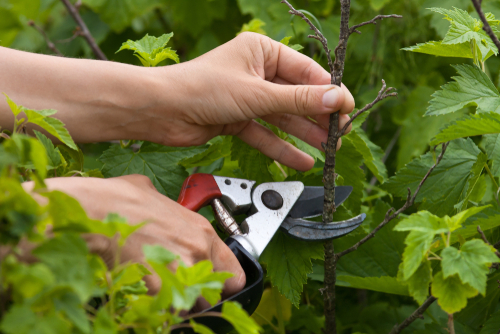
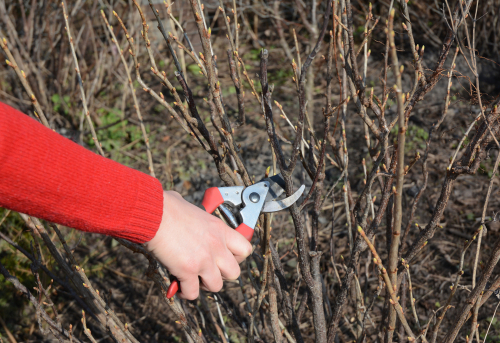
If you need to take out some of the older, thicker main branches, a standard pair of hand pruners might not cut it. You’ll probably want to grab a small garden saw or loppers for the heavy lifting. For the side shoots coming off the main stems, just snip them off right at the base. Try not to leave any “stubs” behind—you want a nice, clean finish.
Be extra careful not to nick or damage the main trunk while you’re at it. Open wounds are like an invitation for nasty pathogens to move in. Since you’re cutting close to the base, accidents happen! If you do slip up, you can use a bit of pruning sealer to patch the wound.
When you’re just tipping back the ends of branches, always cut at an angle. This prevents rainwater from pooling on the flat surface, which can lead to rot. Water just slides right off a slanted cut! Here’s a quick checklist of what should be on your “hit list”:
- Old, woody main branches
- Young shoots that are looking bare or growing too densely
- Any sickly or weak-looking growth
- Water sprouts (those thin, vertical shoots that don’t produce fruit)
A Few Extra Pro-Tips
Before your shears even touch the plant, make sure they are scrubbed clean and disinfected. This is super important because dirty tools can spread fungi and bacteria directly into the cuts, which could eventually kill your bush. Prevention is always better than trying to save a dying plant later!
Also, try to avoid touching the fresh cuts with your bare hands, as your fingers can actually transfer germs to the plant. Honestly, pruning black currants is actually easier than red or white ones, since those varieties fruit on two-to-three-year-old wood and require a bit more precision. You’ve got this!