Propagating your own currants is surprisingly easy! Once you’ve picked the right method, timing is really the only big factor left to master. If you want to expand your berry patch without spending a dime, here is exactly how to do it.
Propagating Currants the Easy Way
Whether you’re dreaming of red, black, or white currants, the good news is that the propagation process is pretty much the same across the board. The methods I’m about to share work for all three varieties. That said, if you’re specifically working with black currants, most gardeners find that hardwood cuttings (Steckhölzer) tend to give the best results.
Growing from Seed (The Long Shot)
Technically, you can grow currants from seeds just like any other fruit. However, this is definitely the “scenic route” and isn’t very common for home gardeners. Because of genetic variation (good old Mendel’s Laws!), the seeds won’t be identical to the parent plant.
When a flower is pollinated, the resulting seed carries a mix of genetic material. This means your seedling will essentially be a brand-new, mystery variety. While that sounds like a fun experiment, the odds of a random seedling producing large, juicy, delicious fruit are unfortunately pretty slim. For us backyard gardeners, it’s much better to stick with methods that guarantee the same tasty fruit we already love.
Propagation via Layering
If you want a high success rate, layering is a fantastic way to go. Look for a few healthy, one-year-old shoots that are long enough to reach the ground. Gently bend them down so the middle section touches the soil. Pin them down securely and cover that middle part with a mix of soil and sawdust to keep the moisture in.
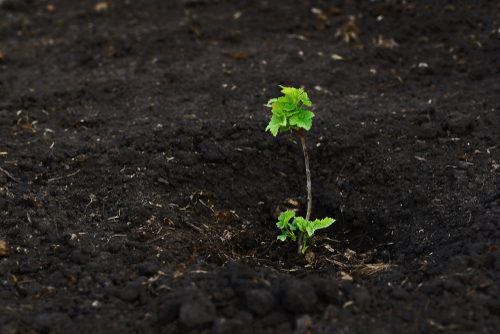
By autumn, that buried section should have developed its own root system. You can then snip the shoot away from the mother plant. If all goes well, you’ll have a perfectly rooted, one-year-old “clone” ready to go. Go ahead and plant your new baby in its permanent home that same fall, and give it a good soak. Since this is a vegetative method, you’re getting an exact genetic copy of the original plant.
Propagation via Hardwood Cuttings
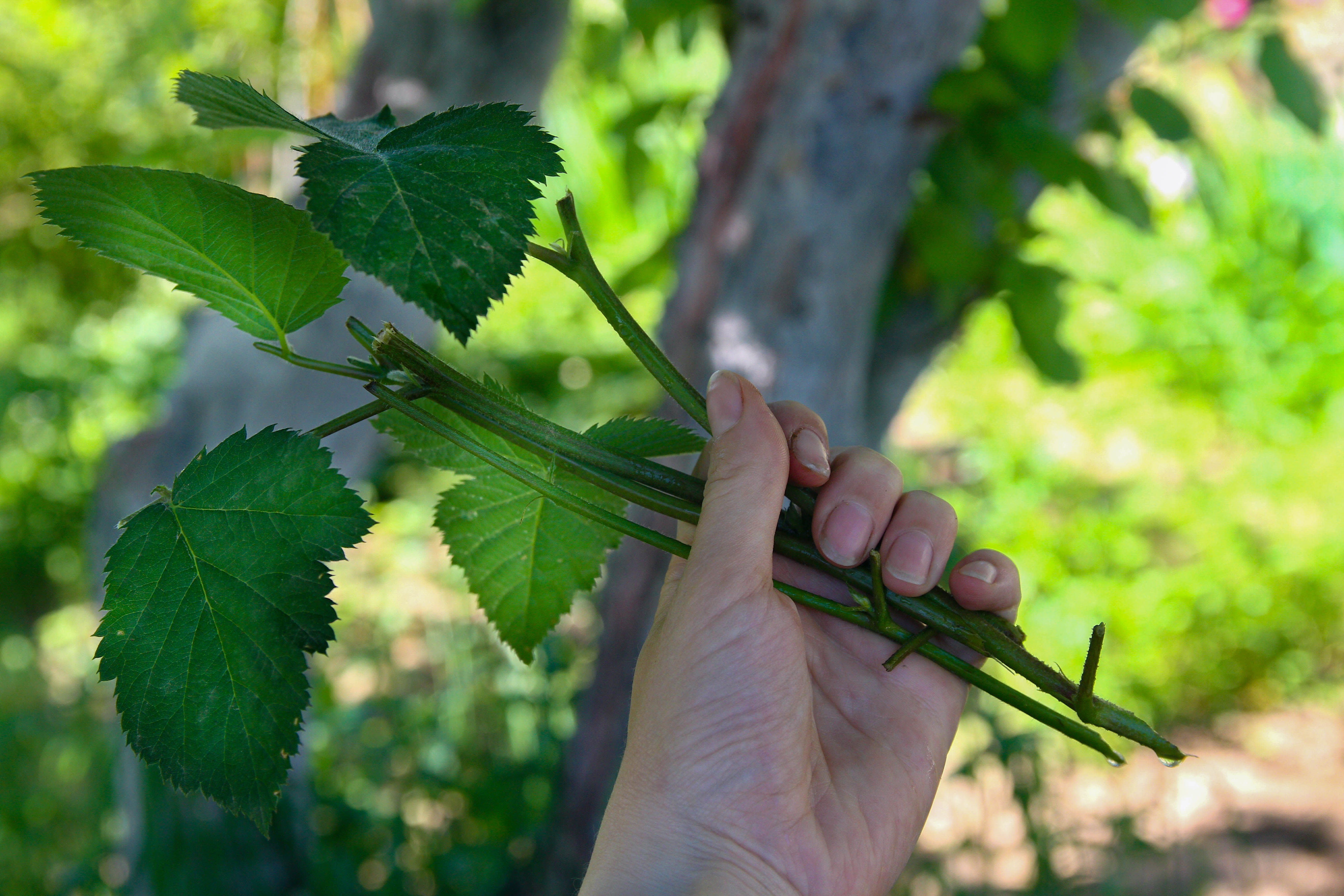
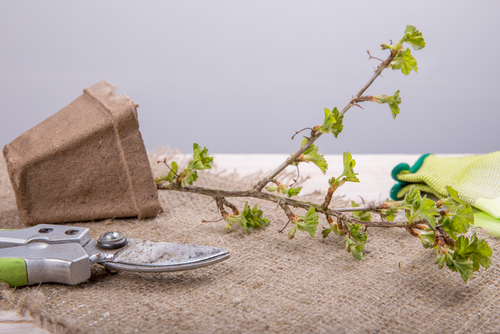
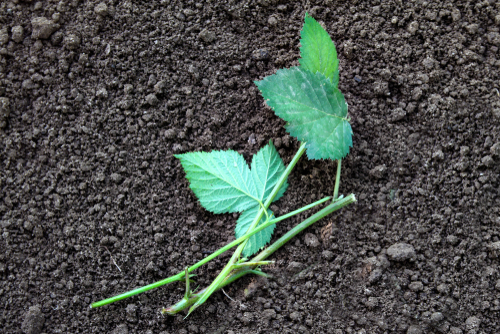
Using hardwood cuttings is another super effective way to clone your bushes. You’ll want to start with one-year-old wood. Cut these into pieces about 4 to 6 inches long—each piece will become a new plant. Make sure your cuts are clean and positioned just above and below a bud. The best time to take these cuttings is either in the fall or late spring when the sap is flowing, as this helps the plant establish itself.
You can stick them right into the ground as soon as you cut them. Push them into the soil about halfway deep, making sure the buds are pointing upward. To prevent the cutting from drying out through the exposed tip, some gardeners like to dip the top end in a little bit of wax to seal it. Just like layering, this method ensures your new plants stay true to the original variety!