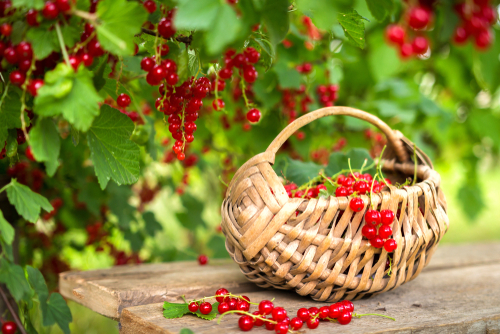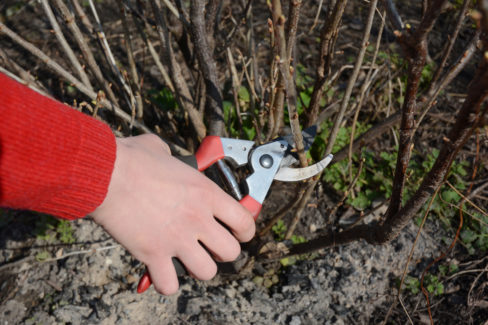
If you want a bumper crop of juicy red currants every year, there’s one chore you can’t skip: pruning. Giving your bushes a good trim after the harvest is the best way to encourage fresh new growth and keep the plant from becoming a tangled mess. Plus, thinning things out keeps your currants happy and healthy!
When and How Often Should You Prune Red Currants?
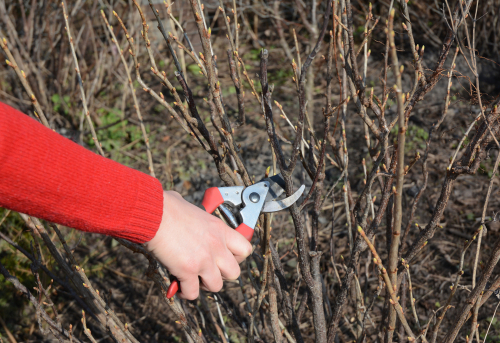
Generally speaking, you’ll want to grab your shears twice a year. The first round happens right after you’ve finished picking the berries—usually sometime in July. The second cleanup happens in the fall. This is when you’ll clear out any old, diseased, or wild-looking branches. If the whole bush is starting to look a bit leggy, go ahead and head back those long stems to keep things tidy.
The Right Way to Prune Red Currants
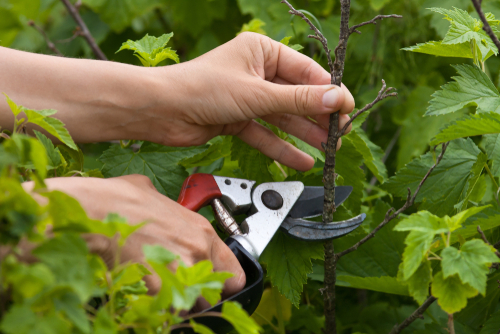
Here’s the secret to a big harvest: red currants produce their best fruit on wood that is two to three years old. You want to be careful not to cut too much of this “prime” wood away, or you’ll be looking at a pretty thin harvest next summer. Instead, focus on removing branches that are older than four years. Cut these all the way down to the base (the main trunk) without leaving any ugly stubs behind.
Why do we do this? Older branches lose their “oomph” and produce fewer berries, but they still take up space and block new shoots from growing. By clearing them out, you’re making room and signaling to the plant that it’s time to grow fresh, productive wood. A good rule of thumb is to keep about ten to twelve main stems on the bush that are all under four years old. Other reasons to prune include:
- Dealing with diseases and pests,
- Thinning out the center for better airflow,
- Removing branches that are crossing or rubbing,
- Keeping the bush from growing out of control.
A Few More Tips for Success
Keep an eye out for “water sprouts”—those lanky, vertical side shoots that don’t produce fruit but suck up all the plant’s energy. You can (and should!) snip those off without a second thought. You should also clear out any weak, spindly growth in the center of the bush. These little guys don’t get enough sun, which means any berries on them won’t ripen properly anyway.
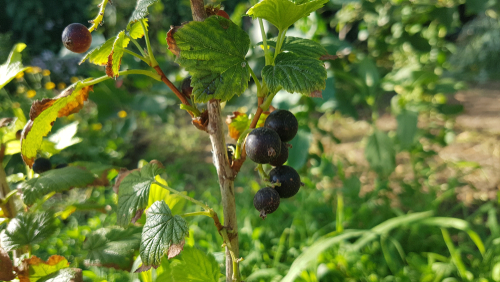
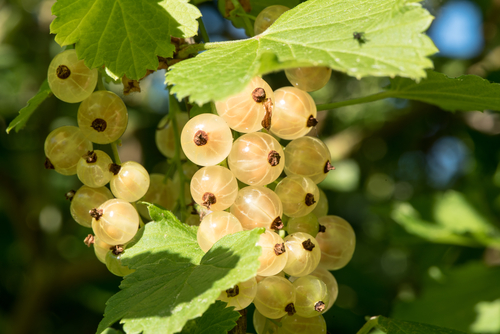
Sunlight is the key to sweet berries, so regular thinning is a must. By the way, if you have white currants in your garden, you can treat them exactly like the red ones. It’s only black currants that require a slightly different pruning style!