Grafting currants is a classic gardening trick that’s been around forever. It’s a tried-and-true method of asexual propagation that lets you grow multiple varieties on a single bush. Pretty cool, right? Let’s dive into how it works and why you might want to try it in your own backyard.
Why Graft Your Currants?
The best part about this old-school method is that it guarantees “true-to-type” offspring. This means every single trait of the parent plant—from flavor to fruit size—is perfectly preserved. When picking a plant to take cuttings from, you’ll want to make sure it checks these boxes:
- It’s perfectly healthy.
- It’s a heavy producer with great yields.
- It shows strong resistance to diseases and pests.
One of the biggest perks of grafting is the “multi-variety” bush. Experienced gardeners can actually get up to ten different types of currants growing on one single plant! It’s a great space-saver and a fun conversation starter.
How to Graft Currants Like a Pro
Timing is everything. The best window for grafting currants is right after the final harvest, usually between August and September. For your “rootstock” (the base plant), Golden Currants or even Gooseberries work great.
Start by cutting “scions” (the shoots you want to graft) from your favorite currant bush. Look for young, healthy, sap-filled shoots and cut them to about four inches (10 cm) long.
Once you’ve got your scions, strip off all the leaves. Using a very sharp grafting knife, make a slanted downward cut about an inch long (3 cm) right above a bud. Then, head over to your rootstock and find a matching branch. Make a similar slanted cut, but this time angled upward.
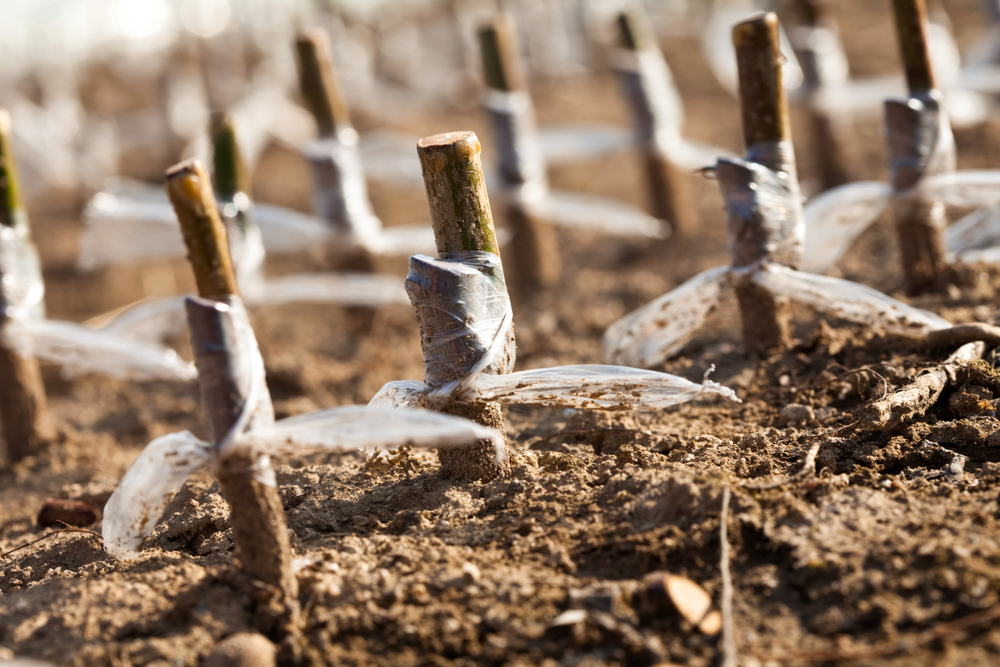
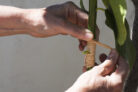
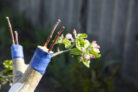
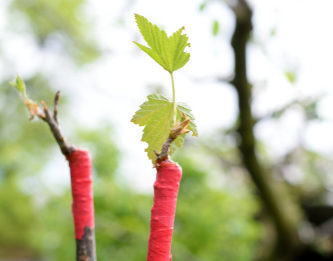
Now for the “handshake”: press the two cut surfaces together so they line up perfectly. This allows the vascular systems to fuse. Wrap the joint tightly with raffia or grafting tape to keep it secure. Since open cuts are an invitation for infection, be sure to seal the whole area generously with grafting wax or wound paste. If all goes well, you’ll see new growth at the graft site next year. You can let these grow as part of the bush or eventually take them as cuttings.
Keep It Clean!
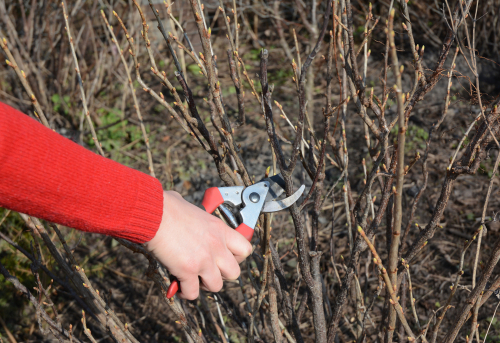
Success in grafting often comes down to hygiene. I always recommend wearing gloves and making sure you never touch the exposed “flesh” of the cuts with your bare fingers. Most importantly, always use sterilized tools. Any lingering bacteria or fungi on your shears can sneak into the wound and cause disease before the plant has a chance to heal.