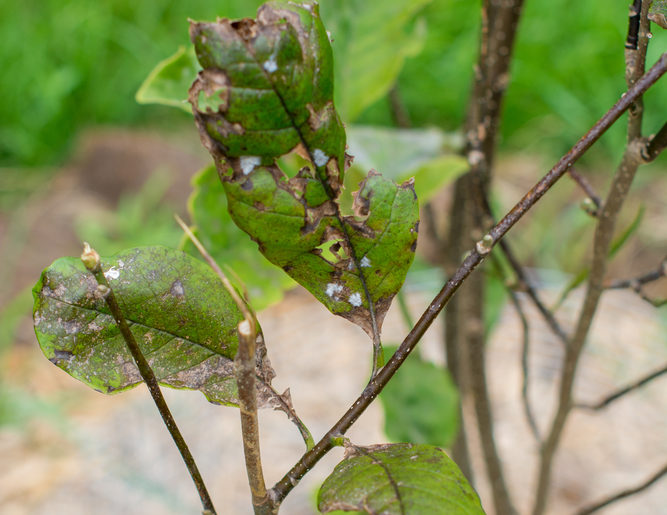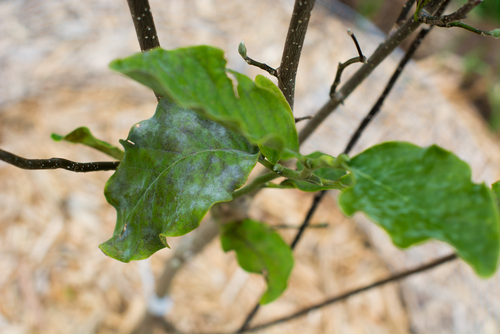
For the most part, a healthy magnolia is a pretty tough cookie and rarely deals with diseases or pests. However, if your tree is getting up there in years or feeling a bit stressed, it becomes a much bigger target. Usually, when trouble strikes, you’re looking at one of two culprits: scale insects or whiteflies.
Scale Insects
Scale are tiny little hitchhikers, ranging from about 0.8 to 6 millimeters long. They love to huddle up on young shoots and the undersides of leaves. Because these pests have a serious sweet tooth, their sticky droppings (called honeydew) often attract ants. Honestly, you’ll probably notice a parade of ants on your tree before you even spot the scale itself! So, if you see a sudden surge of ants around your magnolia, it’s time to take a closer look.
Prevention and Treatment
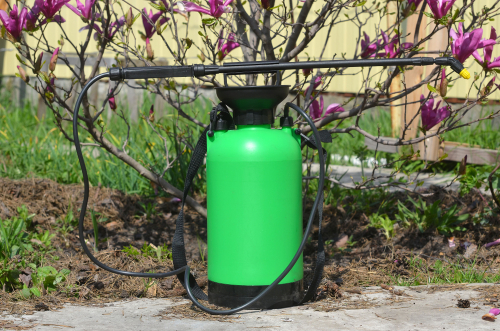
Scale insects usually target magnolias that are already weakened or—believe it or not—over-fertilized. That’s why the best defense is simply good plant care. If you do find an infestation, you don’t have to reach for harsh chemicals right away. Try spraying the affected branches and leaves with one of these natural DIY remedies:
- Garlic spray
- Onion water
- Stinging nettle tea
You can also give the soil around the base a gentle loosen, but be super careful! Magnolias have very shallow roots, and you don’t want to damage them while you’re trying to help.
Whiteflies
Whiteflies are another pest that tends to show up when a magnolia is over-fed or under the weather. These tiny insects (only about 1.5 millimeters long) lay their eggs on the undersides of the leaves. Both the adults and the larvae feast on the tree’s sap. This drains the magnolia’s energy, causing it to drop leaves and, if left unchecked, eventually die. If nature doesn’t step in with predators like ladybugs or parasitic wasps, you’ll likely need to use an insecticide to get the situation under control.