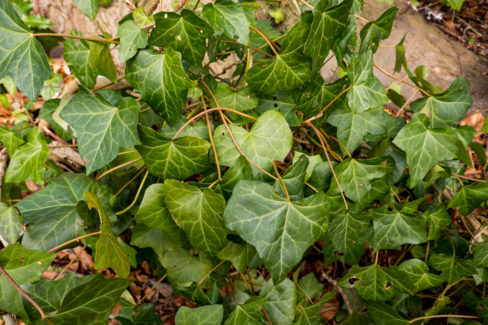
Believe it or not, English ivy can live for up to 500 years! With a lifespan like that, you’d think it was invincible or had some secret superpower to ward off pests. Unfortunately, that’s not quite the case. Even this hardy climber has its enemies. If your ivy is looking a little under the weather, here’s the lowdown on the critters that might be crashing the party and how to get rid of them for good.
Common Ivy Pests
There are four main troublemakers that love to sap the life out of your ivy. The first two are usually found on indoor ivy plants, while the last two are the biggest headaches for outdoor gardeners.
- Aphids and Scale
- Spider Mites
- Black Vine Weevil larvae
- June Bug grubs
Quick Tip:
If you notice brown spots or yellow or brown leaves, it might not be bugs at all. Your plant could be dealing with diseases like leaf spot or bacterial canker.
How to Spot Mites and Scale
Ivy loves humidity. While outdoor gardens stay pretty damp in the winter, our indoor air gets bone-dry thanks to the heater. This is bad news for your ivy but a total dream for pests. These bugs are tiny, but you can see them if you look closely. Most of the time, you’ll notice an infestation because of these red flags:
- Visible bite marks or holes in the foliage
- The ivy looks like it’s drying out
- Leaves are dropping off
Spider mites also leave behind fine webbing that becomes hard to miss once the population grows—check the undersides of the leaves to find them. If the leaves feel sticky, you’re likely dealing with scale or mealybugs leaving behind “honeydew.”
Effective Ways to Fight Back
There are plenty of chemical sprays out there, but since you need to act fast, I always recommend starting with stuff you already have in your kitchen. Here’s a winning combo to save your ivy:
- Prune away any heavily infested vines.
- Give the plant a good “shower” in the sink or tub to wash away the bugs.
- Spray the leaves with a simple mixture of water and a few drops of dish soap.
Pro Tip:
To keep the bugs from coming back, move your ivy away from the radiator and boost the humidity. Try placing a bowl of water nearby or giving the leaves a regular misting.
Root-Eating Larvae and Grubs
If your outdoor ivy is stunted or wilting but the leaves look clean, the problem is likely underground. You might find Black Vine Weevil larvae (about 1 cm long, white with a brown head) or June Bug grubs (creamy white, 5-7 cm long). Both of these pests munch on ivy roots, which starves the plant of water and nutrients.
Carefully dig around the base and pick out any larvae you find without damaging the roots. For a more “set it and forget it” approach, order some beneficial nematodes online. These tiny organisms are natural hunters that will track down and eliminate the pests for you!