Strawberries are notorious for being a bit “extra”—they’re sensitive little plants and, unfortunately, pretty prone to diseases. While you can definitely lower the risk with some TLC and proper maintenance, there’s always a chance nature might throw a curveball your way. Here’s what to look out for and how to handle it.
Powdery Mildew
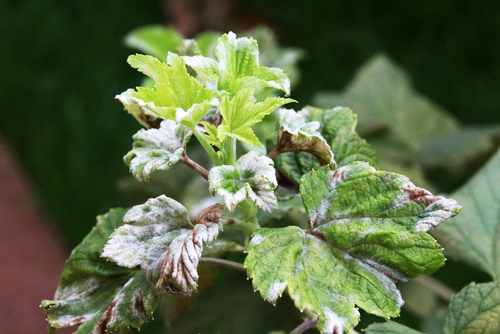
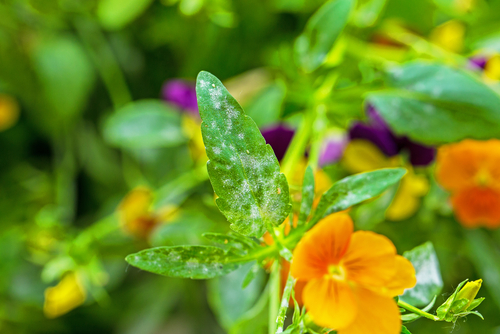
This pesky fungus usually strikes as soon as the weather starts warming up (around 65°F). Those are prime conditions for spores to start multiplying. You’ll know your strawberries have it if you see a white, fuzzy coating on the undersides of the leaves. As it gets worse, the leaves will turn purple or reddish-brown and start to curl upward. Eventually, it hits the fruit itself, covering the berries in a white film that stops them from ripening and causes them to rot instead.
To fight back, you’ve got to be ruthless: prune off all infected parts immediately. Make sure to toss them in the trash, not the compost pile, or you’ll just spread the spores around your garden. A great DIY remedy is a simple milk-and-water spray. Mix one part milk with four parts water and give your plants a good misting every three days or so.
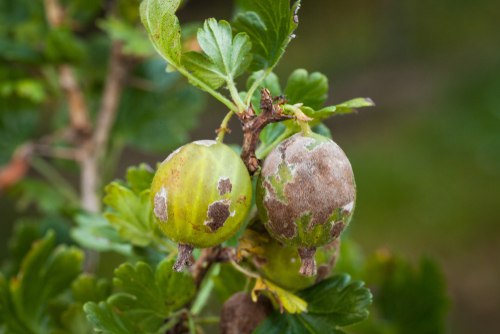
Gray Mold (Botrytis)
This is a fungal infection that spreads like wildfire when the weather is humid and muggy. You’ll notice green strawberries suddenly turning brown as if they’re overripe. The fruit gets mushy and becomes covered in a signature fuzzy gray mold.
If you’re dealing with this, you’ll need a multi-pronged approach. First, try mixing some stinging nettle tea into your watering can to boost the plants’ defenses. You can also dust the affected plants with rock flour (stone meal). Most importantly, keep the area weed-free and lay down a fresh layer of straw mulch to keep the berries off the damp soil.
Leaf Spot (White and Red Spot Disease)
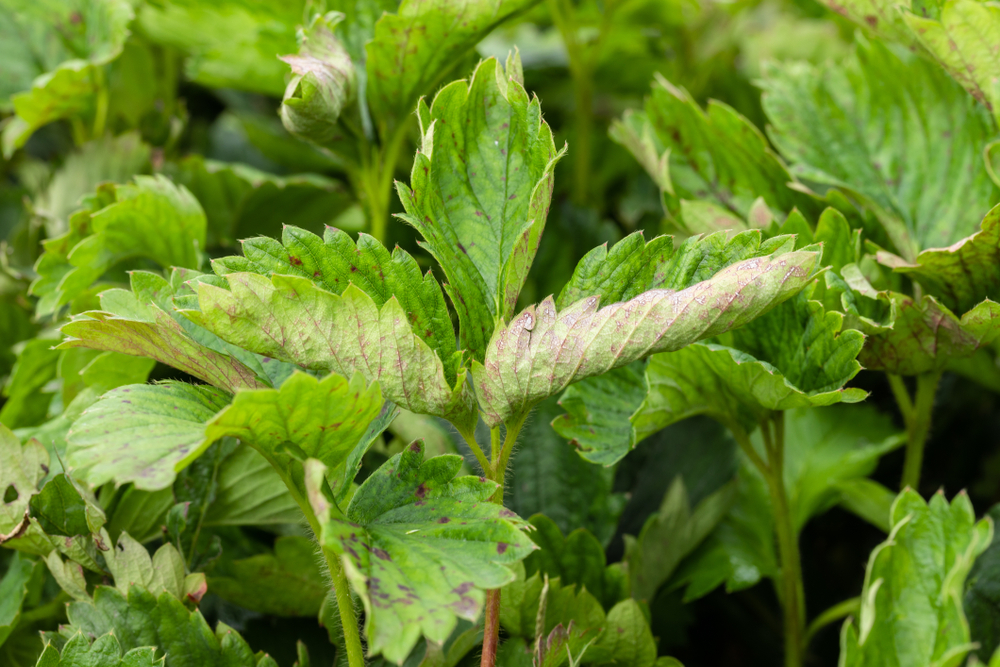
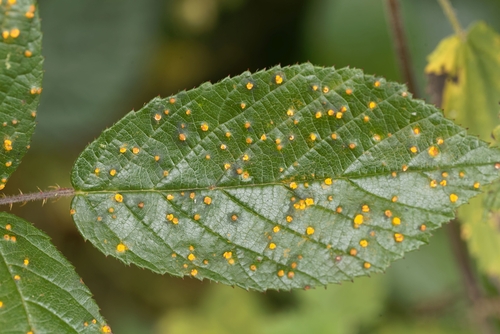
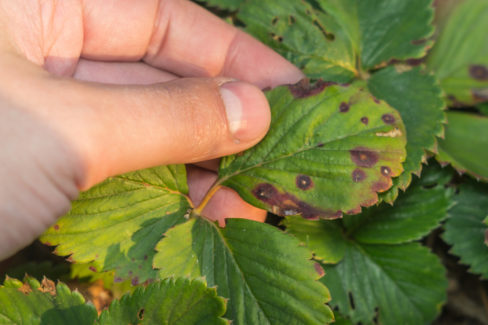
These are also fungal issues, and they’re pretty sneaky—they often wait until the berries are almost ripe to attack. You’ll spot them by the small white or reddish-brown circular spots appearing on the leaves. These spots sap the plant’s energy, which means the berries won’t have the strength to ripen properly, potentially ruining your whole harvest.
Unfortunately, there isn’t a “cure” once it takes hold, so prevention is your best friend here. Try companion planting your strawberries with garlic or onions to keep pathogens at bay. It’s also super important to clear away any old, dead leaves from the ground immediately. Avoid high-nitrogen fertilizers, and always make sure your strawberry patch is well-mulched.