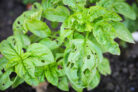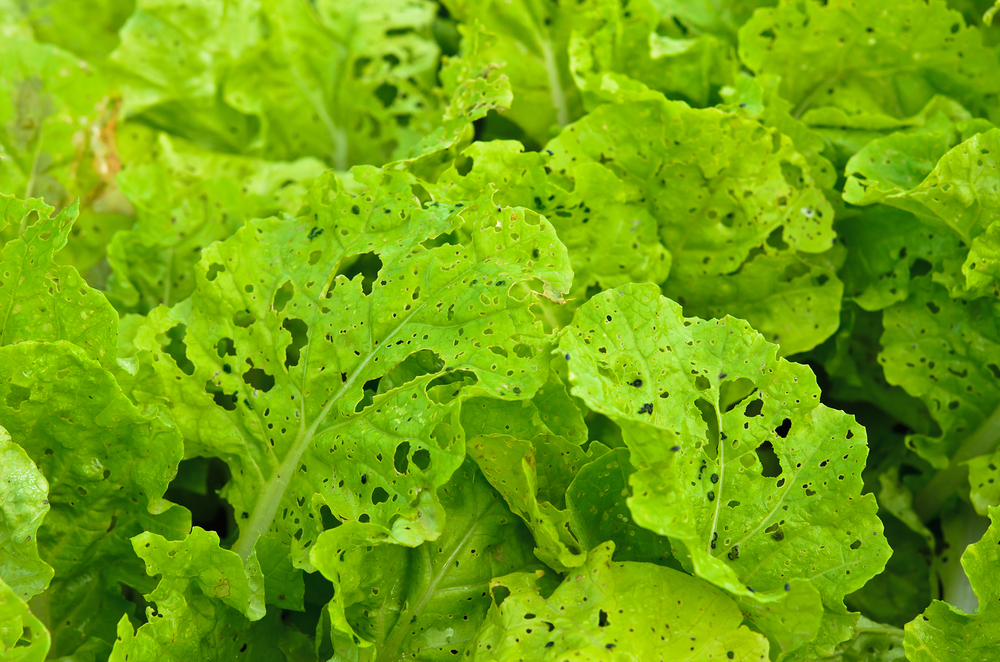
We all know that slugs love a good head of lettuce—it’s basically a five-star buffet for them. These slimy little guys have driven many a backyard gardener to the brink of madness! But slugs aren’t the only uninvited guests you might find; aphids are also big fans of your greens. If you want to keep your harvest for yourself, here’s everything you need to know about protecting your lettuce from common pests.
Dealing with Slugs and Aphids
Once slugs have found your lettuce, the most effective (though admittedly tedious) method is simply picking them off by hand. I’d steer clear of harsh chemical sprays; after all, you’re planning on eating that lettuce later! You’ll often hear people recommend slug pellets, but you should really think twice before scattering those around.
The problem with pellets is that they aren’t just dangerous for slugs—they can harm beneficial wildlife, too. Plus, if you have kids or pets running around, those colorful little pellets can look way too much like candy, which is a recipe for disaster. If your garden is a slug magnet, your best bet is to install a slug fence to keep them out in the first place.
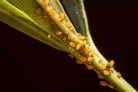
Aphids are another common headache. To spot them, you’ve got to look closely—these tiny pests can be black, green, or even red. Keep an eye out for these tell-tale signs:
- Curled or misshapen leaves
- Sticky droplets (honeydew) on the plant
- A sudden parade of ants (they love that sticky residue!)
How to Treat Your Lettuce
The secret to winning the war against pests is catching them early before they do real damage. If you spot them soon enough, simple home remedies usually do the trick. Just remember to treat your plants in the evening for several days in a row until the pests are gone. Some great DIY options include:
- Stinging nettle tea (a classic organic gardener’s trick)
- Water mixed with a few drops of neem oil
- A mild insecticidal soap or castile soap solution
Why wait until evening? Well, some of these treatments can actually cause the leaves to “sunburn” if applied in direct sunlight. Plus, slugs are most active in the cool evening and early morning hours, so you’ll catch them right when they’re heading out for dinner.
Building a Stronger, Pest-Resistant Lettuce
Pests are like bullies—they tend to pick on the weakest plants. Lettuce that is stressed from poor soil or lack of water is a prime target. To give your greens a fighting chance, enrich your soil with plenty of compost when planting to ensure they have all the nutrients they need.
Good airflow is also key, so don’t crowd your plants, and make sure the soil drains well to avoid “wet feet.” While lettuce isn’t a fan of long, rainy spells, you still need to water it regularly so it doesn’t dry out. Give it plenty of sunshine, and if you want to make life even easier, try planting a pest-resistant variety next season!