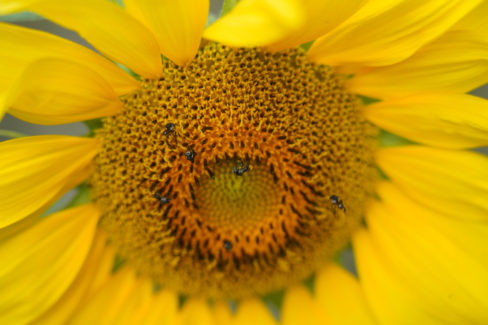
Sunflowers are famous for being big, bold, and tough. But even these garden giants can lose their strength when a massive colony of aphids decides to move in. That’s why it’s so important to keep a close eye on your plants—catching an aphid invasion early makes it much easier to stop them in their tracks using natural methods.
Tackling a Light Infestation
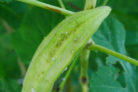
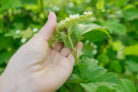
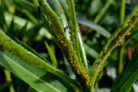
Aphids are tiny, and because they’re often green, they’re experts at blending in. However, if you look closely, you can definitely spot them with the naked eye. If you give your sunflowers a quick “check-up” while watering them every day, you can jump into action quickly with these simple steps:
- Give your sunflowers a good spray with the garden hose to knock the pests off.
- For potted sunflowers, you can even give them a quick rinse in the shower.
- Try to protect the flower head with a plastic bag so it doesn’t get too soggy.
- Make sure the leaves have plenty of airflow to dry out afterward (otherwise, you might end up dealing with powdery mildew).
For an extra boost, you can spray the affected plants with cooled-down coffee or plain black tea. Just make sure there’s no sugar or sweetener in it!
Dealing with a Heavy Infestation
If you see ants marching up and down your sunflower stalks, take it as a major red flag. Ants actually “farm” aphids because they love the sticky honeydew the pests produce. If the infestation has already gotten out of hand, it’s time to grab your garden shears. Prune away the most heavily infested parts of the plant and toss them in the trash (don’t compost them!).
By sticking to natural treatments for the rest of the plant, you’ll still be able to safely harvest those delicious seeds in the fall. Here are a few tried-and-true organic remedies:
The Milk Mixture
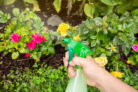
Mix one part milk with two parts water and add a few drops of vegetable oil. Give it a good shake and spray the entire plant. For the best results, repeat this daily for at least one to two weeks.
Nettle Tea (Stinging Nettle Soak)
Chop up about 2 lbs of fresh stinging nettles and soak them in 2.5 gallons of cold water. Let it sit for at least 12 hours, but no more than 48 (you want a soak, not a fermented fertilizer). Spray your sunflowers daily with this mixture, and keep it up for a few days even after the last aphid has disappeared.
Neem Oil
You can use store-bought neem oil diluted heavily with water. Alternatively, you can make your own by pouring 1 quart of boiling water over about 2 ounces of neem seeds and letting it steep for several hours. Apply this daily for about two weeks.
Pro Tip:
Always spray your sunflowers in the morning. This prevents the leaves from getting “sunburned” in the midday heat and ensures they dry out before evening. Also, avoid rainy days, as the water will just wash your hard work away.
Dish Soap Solution
A simple mix of water and a few drops of dish soap works wonders. If you need a little extra “oomph,” you can add a splash of rubbing alcohol to the mix to help break down the pests’ outer shells.