Don’t get me wrong, we all love that classic, sunny yellow glow! Sunflowers are iconic for a reason, and they’ll always have a place in our hearts. But sometimes, it’s fun to switch things up a bit. If you’re looking to add some drama to your garden, let me introduce you to the “Evening Sun” (Abendsonne) variety. It brings some seriously stunning red tones to the table, along with a few other perks you’re going to love.
A Sunset in Your Garden
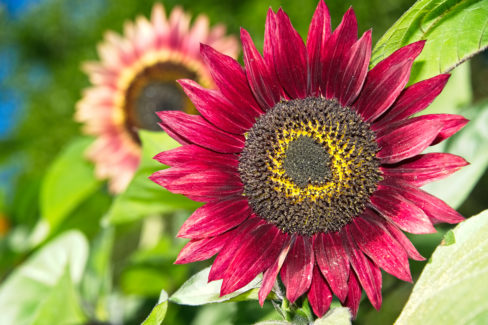
Think about those breathtaking summer sunsets where the sky turns every shade of crimson and gold—that’s exactly what the “Evening Sun” sunflower looks like. These blooms range from bright orange to deep, moody dark reds. You’ll often find gorgeous multi-colored petals, usually featuring a fiery red center with yellow tips on the inner and outer edges.
One of the best things about this variety? It’s a multi-bloomer. Unlike some sunflowers that give you one big head and call it a day, the “Evening Sun” stalks branch out at the top to produce several flowers at once.
The Perfect Colorful Privacy Screen
These beauties can reach heights of up to 6.5 feet (2 meters). That makes them an ideal choice if you’re looking to create a natural privacy screen around your patio or along a garden fence. They grow fast enough to be ready for your outdoor lounging season and will keep their leaves right up until the first frost.
With a long blooming period from July through October, your “living fence” stays vibrant for months. Just a quick tip: give these guys some elbow room. A planting distance of about 28 inches (70 cm) is perfect to let each plant reach its full potential.
Surprisingly Low-Maintenance
Even though they look exotic, “Evening Sun” sunflowers aren’t divas. You can buy starts at a nursery or grow them from seeds (either store-bought or saved from a friend’s garden). For the best results, pick a sunny spot. They’re pretty flexible and can fill almost any gap in your flower bed, but keep in mind that the more shade they get, the smaller they’ll stay and the fewer flowers they’ll produce. Here’s the “cheat sheet” for keeping them happy:
- Water them every morning.
- On those scorching summer days, give them a second drink in the afternoon.
- Fertilize at least every two weeks.
- Stake the taller stalks to keep them from flopping over in the wind.
Pro Tip:
You don’t need to worry about starting these indoors weeks in advance. They are famous for their rapid growth! You can simply sow the seeds directly into the ground in late April. If you change your mind about the layout later, don’t sweat it—they handle being transplanted pretty well while they’re still young.