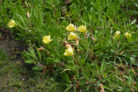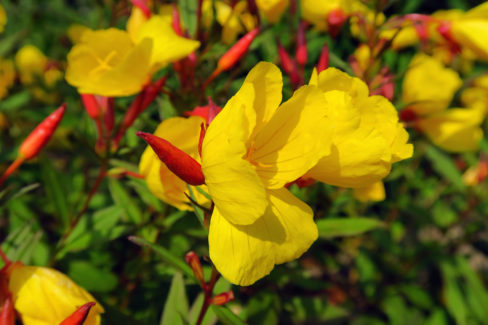
The evening primrose is such a fascinating plant. It produces these gorgeous, fragrant yellow blooms right when most other flowers in your garden are tucking themselves in for the night. The coolest part? You can actually watch—and sometimes even hear—the buds pop open as the sun starts to set.
Big or Small, There’s a Variety for Every Garden
There are dozens of different species of evening primrose out there. The one you’ll see most often is the Common Evening Primrose (*Oenothera biennis*), but the Large-Flowered Evening Primrose (*Oenothera glazioviana*) is a real showstopper with its massive blooms. If you prefer something more delicate, varieties like the Small-Flowered Evening Primrose (*Oenothera parviflora*) offer a subtler look. No matter which one you choose, that sweet, intense scent is a magnet for hawk moths and other nighttime pollinators.
Patience Pays Off: The Two-Year Bloom Cycle
Most evening primroses are biennials, which means they take their time. During the first year, you’ll just see a leafy green rosette sitting low to the ground. But in the second year, the magic happens! From June through August (and sometimes even into September), the plant shoots up and produces those stunning 1- to 2-inch funnel-shaped flowers. These edible blooms are short-lived—usually lasting only a few hours or a single day—but the plant is a continuous producer, with new flowers opening up along the stem all season long.
Liquid Gold: The Power of the Seeds
Once the flowers fade, they develop into seed pods packed with hundreds of tiny seeds. These seeds are the source of evening primrose oil, which has become a staple in the world of natural skincare and herbal medicine.
Post-Bloom Care: Keeping Things Tidy
After your plant has finished blooming for the season, I recommend cutting the stalks back to about a hand’s width above the ground. This helps encourage fresh growth and keeps the plant healthy for the next cycle. Plus, if you don’t want evening primrose popping up everywhere next year, trimming them back prevents them from spreading seeds all over your garden beds!