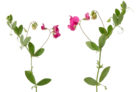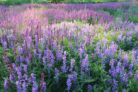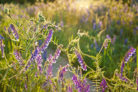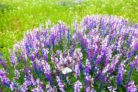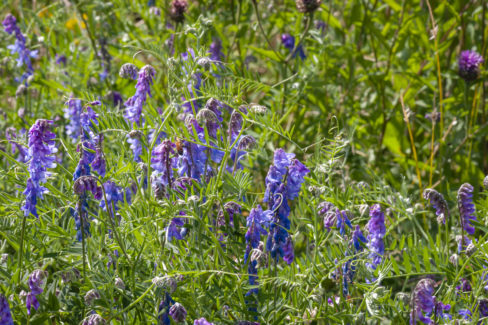
With their delicate, butterfly-like blooms, sweet peas are a gorgeous addition to any backyard. But let’s be real: when they start taking over every square inch of your flower beds, the honeymoon phase ends pretty quickly. Some gardeners even go as far as calling them weeds because they can be such a pain to keep in check. The good news? You *can* tame them!
Sweet peas are masters of self-seeding
Many varieties are annual, non-hardy climbers that rely on seeds to keep the party going year after year. This includes the classic fragrant sweet peas and perennial peas (Lathyrus) we all love. The seeds develop in long, flat pods that pop open when they’re ripe, scattering their contents all over the soil. Since every single wilted flower turns into a pod, and each pod holds about eight seeds, you don’t need to be a math whiz to see how fast these climbing plants can multiply.
Stop the seeds before they start
If you see a sprout popping up where it doesn’t belong, you can simply pull it out. But here’s the catch: the problem will keep coming back unless you tackle it at the source—the seeds! These little guys are tough. Even after a freezing winter, they’re usually still ready to sprout come spring.
The best way to prevent self-seeding is to deadhead your plants. Snip off those faded flowers before they have a chance to form pods. Since the blooming season kicks off in June and lasts until fall, you’ll want to make this a regular part of your gardening routine. Only let a few pods mature if you actually want to save seeds for next year.
Watch out for the “creepers”
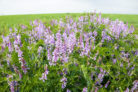
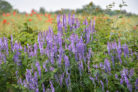
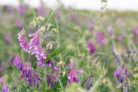
Not all peas like to climb; some species prefer to stretch their stems out flat across the ground. Because they aren’t picky about where they grow, they can easily smother other plants or even sneak into your lawn. If they start wandering outside their designated area, you’ve got to be firm and pull them up. Keep a close eye on these two in particular:
- Bush Vetch
- Tufted Vetch
Quick Tip:
If you’re a fan of supporting local wildlife, don’t rip out *all* the Tufted Vetch. This wild variety is a fantastic food source for birds, bees, and butterflies.
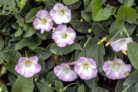
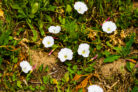
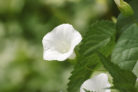
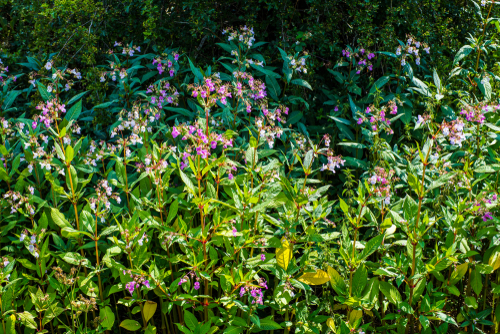
Bindweed: The “imposter” weed
There’s another plant with a serious wandering habit that often gets confused with sweet peas: Bindweed (Morning Glory family). While it looks similar at a glance, it has funnel-shaped flowers rather than the “butterfly” shape of a pea. If you’re trying to get rid of bindweed, just stopping the seeds isn’t enough—you also have to deal with its aggressive underground runners.