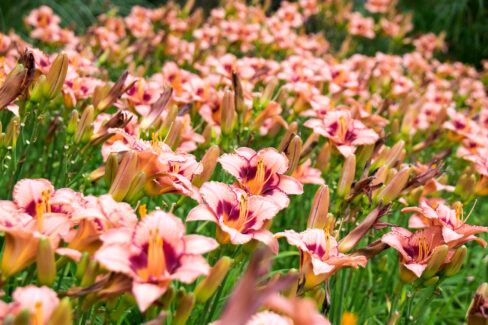
Daylilies are a staple in American backyards, and honestly, it’s easy to see why. Who doesn’t love a gorgeous, vibrant flower that’s practically bulletproof? If you’ve fallen in love with yours and want to spread that beauty around your yard (or share some with the neighbors), you’re in luck—propagating them is a breeze.
Propagating by Division
Even though daylilies are famously low-maintenance, they actually appreciate a little tough love every now and then. If you have an older plant that’s stopped blooming, dividing it is the best way to give it a second wind. Plus, it’s the perfect way to get a brand-new, identical plant for free! The best time to do this is either in early spring just as they start poking out of the ground, or in the fall once they’re done flowering for the season.
To divide your daylilies, start by trimming the foliage back to about six inches. Next, dig up the root clump and shake off the excess dirt so you can see what you’re working with. If the soil is stubborn, a quick spray with the garden hose should do the trick. Use a sharp knife to slice the root ball right down the middle from top to bottom.
You’ll want your new root sections to be about the size of a fist. Replant them about two feet apart, burying them roughly one to two inches deep. Make sure they’re in a spot with full sun to partial shade, and give them plenty of water for the first two weeks while they get settled. A bit of high-quality garden soil will give your new “babies” the perfect head start.
Growing from Seed
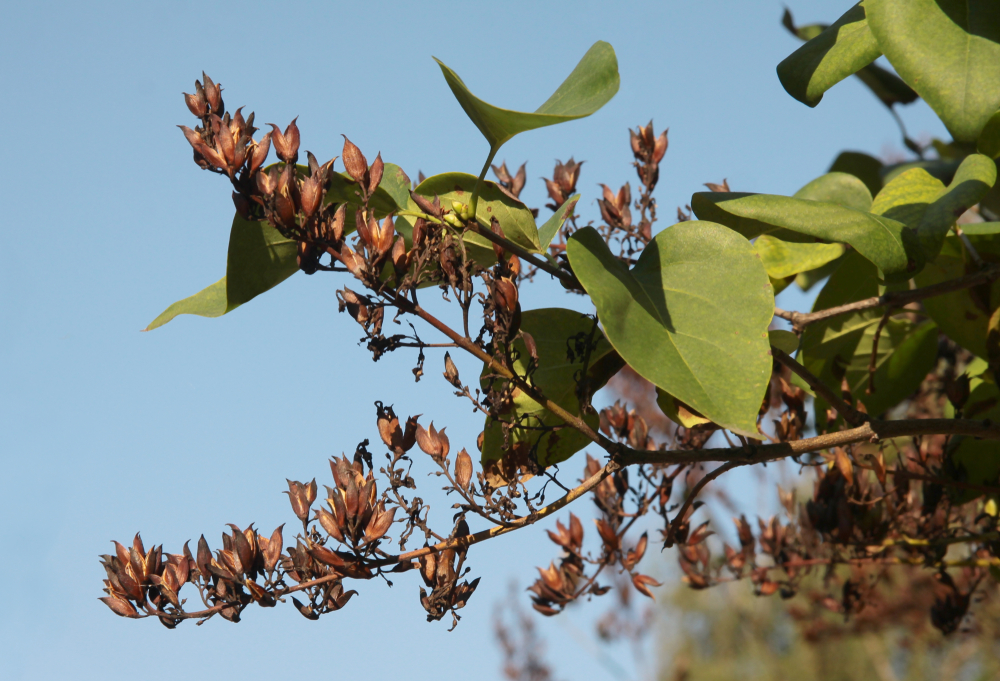
If you’ve got a bit more patience and want to try your hand at something more advanced, you can grow daylilies from seed. You can even harvest the seeds yourself—just wait about two months after the flowers fade for the seed pods to ripen. Pick them on a dry day, and for the best results, give them a “cold treatment” in the fridge for a few weeks to help them germinate more reliably.
Starting in February or March, follow these simple steps:
- Soak the seeds in water for one to three days.
- Plant them about a quarter-inch deep in a good seed-starting mix.
- Press the soil down firmly and keep it consistently moist.
- Be patient! Germination can take anywhere from four days to a full month.
- Keep the young seedlings in a cool, bright spot as they grow.
- Once the threat of frost has passed in the spring, they’re ready to move into their permanent home in the garden.