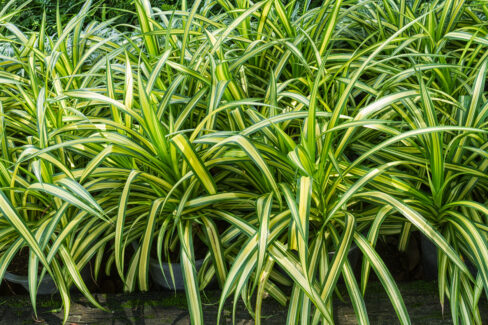
Are you currently redesigning your backyard and thinking about moving a clump of Zebra Grass or splitting it up to share the love in a new spot? Well, I’ll be honest with you—moving this ornamental beauty isn’t exactly a walk in the park. But don’t worry! With a few pro tips and the right timing, you can totally pull it off. Here is everything you need to know to get the job done right.
Pflanzen Sie das Gras zur richtigen Zeit um
Zebra Grass develops a pretty massive root system once it gets settled. If you want your transplant to be a success, you need to take as much of that root ball with you as possible. Timing is also everything: these plants much prefer moving house during the warmer months. Aim for a nice spring day once the threat of frost has passed. This gives the roots plenty of time to get cozy in their new home before winter hits. If you try to move it in the fall, you’re taking a big risk—the plant might not establish itself in time and could end up drying out over the winter.
Generally speaking, younger plants handle a move much better than older ones, which can sometimes be a bit stubborn about relocating. Before you start digging, go ahead and give the grass its usual spring haircut. Trust me, it’s much easier to handle the root ball when you aren’t fighting six-foot-tall blades of grass! Once you’ve picked out the perfect new sunny spot, I highly recommend installing a root barrier before you put it in the ground to keep it from spreading where you don’t want it.
So verschaffen Sie der Pflanze einen guten Neustart
To give your Zebra Grass the best start possible, make sure its new home meets these criteria:
- Loose, well-draining soil
- Loamy or sandy soil textures work best
- Plenty of moisture and nutrients
- A little organic fertilizer if the soil is poor
- Whatever you do, avoid standing water!
Back at the old “apartment,” make sure you dig out every last bit of the root system. If you leave chunks behind, don’t be surprised if new grass starts popping up there again next year! To give the plant a boost in its new location, mix some compost or humus into the soil before you set the grass in the hole. Stick to natural fertilizers and skip the synthetic stuff. Chemical fertilizers can make the grass grow too fast, resulting in weak, floppy stalks that just won’t stand up straight.