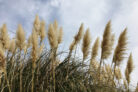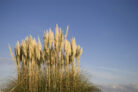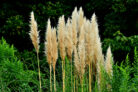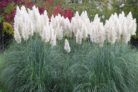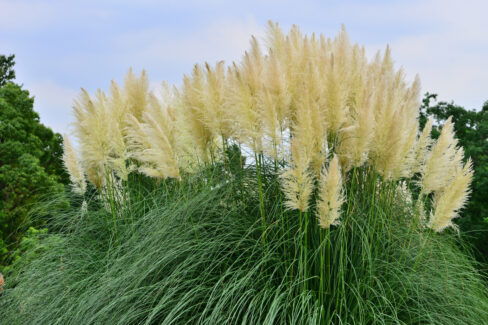
Pampas grass is a real speed demon when it comes to growth. Not only does it shoot up toward the sky in record time, but its root ball (or “clump”) also expands outward year after year. Because of this, the biggest challenge with moving pampas grass isn’t getting it to take root in a new spot—it’s the sheer muscle power required to get it out of the ground in the first place!
Timing is Everything: Aim for Spring
The absolute best time to transplant your pampas grass is in the spring. This gives the plant a full growing season to get settled and strong before the first frost hits in the fall. Plus, many varieties can easily hit heights of six feet or more by mid-summer, which makes moving them a total nightmare. Your best bet? Get to work right after you’ve finished your spring pruning.
Protect Your Skin
Another reason to tackle this job in the spring is that the new shoots aren’t quite as tough or razor-sharp as they become later in the season. That said, don’t let your guard down! You should always wear heavy-duty gardening gloves and long sleeves, as those leaves can still give you a nasty “paper cut” from hell. This is especially important if you decide to move it in the fall, as you’ll have to tie the stalks together to get them out of your way.
Step-by-Step Guide
Ready to get digging? Here’s how to move your pampas grass like a pro:
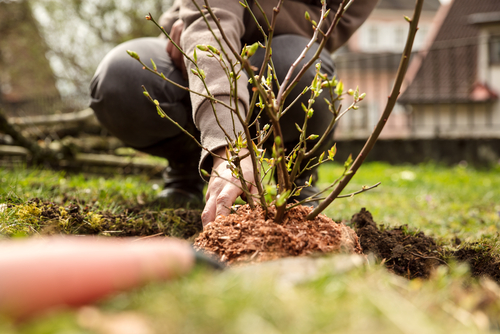
- Before you even touch the plant, dig a new hole at the new location that’s plenty big enough for the root ball.
- Use a sharp spade to cut a circle deep into the soil all the way around the base of the plant.
- Use some leverage to lift the entire root ball out of the ground.
- Get it into its new home as soon as possible.
Once it’s in the ground, give it a drink. However, don’t go overboard—it’s better to water lightly and repeat the process later, as pampas grass is prone to root rot if it sits in soggy soil.
Pro Tip: Once you’ve got that massive root ball out of the ground, it’s the perfect time to divide the plant. You can split the clump into several smaller pieces to start new plants elsewhere in your yard!