Tulips are the ultimate spring classic, and pretty much everyone recognizes them at a glance. But beyond their iconic look, most people don’t know much about what makes these beauties tick. If you’re looking to get to know this garden favorite a little better, here’s a handy “cheat sheet” packed with everything you need to know about these stunning ornamentals.
The Tulip Profile
To keep things organized and easy to read, I’ve broken down the tulip’s profile into its history, appearance, and care requirements.
Name, Origin, and a Bit of History
Botanically speaking, tulips belong to the Lily family (*Liliaceae*). There are about 150 species and well over 1,000 registered varieties out there! You might hear them called:
- *Tulipa* (their formal Latin name)
- Garden Tulips
- Wild Tulips
While they are found across Asia, Europe, and Africa today, they actually got their start in Persia and Turkey. By the 9th century, they were already being cultivated with huge enthusiasm in the Middle East. However, the tulip’s absolute “superstar” moment happened in the 1600s. In the early 1630s, “Tulip Mania” hit so hard that individual bulbs were being sold for insane prices. One legendary “Rembrandt” bulb reportedly sold for 17,280 guilders—which would be over $215,000 today! To put that in perspective, a skilled craftsman back then only earned about 250 guilders a year. The Dutch tulip markets became world-famous during this time and remain iconic today.
Appearance and Characteristics
While tulips come in many shapes and sizes, they generally follow the same basic structure. Here’s the breakdown:
- Type: Perennial bulb
- Height: Anywhere from 6 to 24 inches
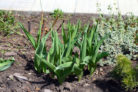
- Foliage: Usually 4 to 6 light green, pointed leaves
- Flower Anatomy: Each bloom has six petals, six stamens, and one ovary
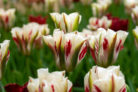
- Flower Shapes: You’ll find single, double (peony-style), fringed, ruffled, or smooth petals
- Bloom Styles: Cup-shaped, star-shaped with pointed petals, bell-shaped, or egg-shaped
- Colors: Just about everything! Solid colors, “flamed” patterns, or speckled; available in every primary color, plus endless blends and soft pastels
- Bloom Time: Late March through late May
- Fruit: Small, cylinder-shaped capsules appear in summer
- Vibe: The quintessential spring flower and a reliable perennial
- Note: All parts of the tulip are toxic if ingested, so keep an eye on pets and kiddos!
Care and Maintenance
If you plant your tulip bulbs in the fall in a sunny, warm spot, they’ll go through their necessary winter “chill phase” and pop up right on cue in the spring. They aren’t high-maintenance divas because the bulb acts as a built-in storage unit for everything the plant needs. That said, here are a few tips to keep them happy:
- Drainage is key: Avoid “wet feet” (standing water). It’s a good idea to add a little drainage material to the bottom of the planting hole.
- Feeding: From February until the end of the blooming season, give them some organic fertilizer every two weeks.
- Watering: Give them a drink if you’re experiencing a long dry spell.
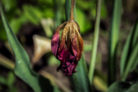
- Deadheading: Snip off the faded blooms to prevent the plant from wasting energy on seed production.
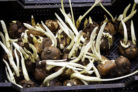
- Storage: If you want to store the bulbs, wait until the leaves and stems have completely dried up and turned brown before digging them up.