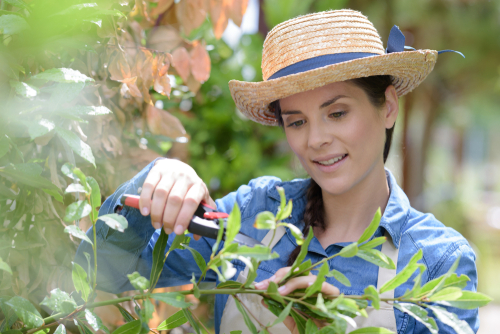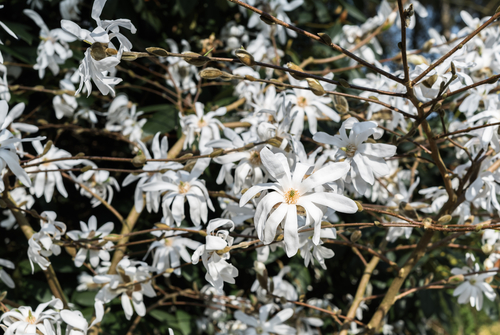
Tulip trees aren’t the kind of plants that need a haircut every other week—in fact, they can be a little sensitive to heavy pruning. However, every now and then, your tree is going to need a little TLC with the shears. Whether you’re looking to keep it from taking over the yard or just cleaning it up, here’s everything you need to know about when and how to prune your tulip tree.
When should you prune a tulip tree?
Younger tulip trees handle pruning much better than older, established ones. That’s why I always recommend shaping them early on to encourage healthy growth. While it’s not strictly mandatory to prune them, staying on top of it in the early years makes life much easier later. Generally, you’ll want to grab your shears for a few specific reasons:
- Removing dead wood or spent blooms.
- Cutting away any diseased branches.
- Light shaping to keep the tree looking its best.
- Controlling the size.
Keep in mind that tulip trees can soar up to 130 feet tall and love their personal space. It’s common for gardeners to realize years down the line that they underestimated just how big this beauty would get. If the tree is too large to transplant, a well-planned pruning session is your best bet for keeping its size under control.
How to prune your tulip tree the right way
The golden rule here is “slow and steady.” It’s much better to do light, regular maintenance than one massive, radical chop. Tulip trees aren’t very forgiving if you hack away too much of the canopy at once. Plus, if you prune regularly, you’ll be dealing with thinner branches that are much easier to cut. Here is the best play-by-play:
- Start by clearing out any dead, dry, or diseased branches.
- Snip off young shoots that are crossing over each other or growing inward toward the trunk.
- If you want to shape the canopy, lightly trim the tips of the branches to create a nice, rounded look.
- For larger cuts, use a specialized pruning wax to seal the “wound” and protect the tree.
What tools do you need?
You’ll want to make sure your tools are sharp and, most importantly, clean. Depending on the thickness of the branches, you might need anything from standard hand pruners to a sturdy pruning saw. If you’re working with an older tree, you’ll definitely need a reliable ladder to reach the crown.
Safety first, though! Don’t skip the protective gear. Wear gloves and safety glasses because the tulip tree is actually toxic—its sap can cause skin irritation or allergic reactions if you aren’t careful.
When is the best time for pruning?
Spring is usually the sweet spot for pruning. It gives the tree the entire growing season to heal those cuts before winter hits. Another great window is in the summer right after the flowers fade; this is the perfect time to deadhead those spent blooms. Even if you aren’t doing a full prune, it’s a good idea to clear out the old flowers to keep the canopy looking fresh.
One exception: if you spot a disease, don’t wait for the “perfect” season. Act immediately to stop the spread. In this case, the risk of the disease doing damage is much higher than the stress of an off-season pruning.