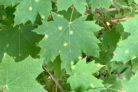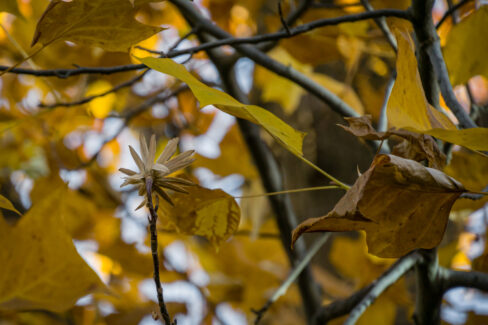
Even though tulip trees are generally known for being pretty tough and resilient, they aren’t totally invincible when it comes to pests and diseases. If your tree is looking a little under the weather, don’t worry—I’ve got you covered. Here’s how to spot the signs of trouble and what you can do to get your tree back to its vibrant self.
How can I tell if my tulip tree is sick?
Most issues with tulip trees stem from either too much moisture (root rot) or not enough (drought stress). While you might see aphids or other little critters hanging out on the leaves, they usually don’t pose a serious threat to the tree’s overall health. The key is to keep a close eye on your tree. During your regular garden walk-throughs, look out for:
- Discolored or spotted leaves
- Signs of chewing on the leaves, branches, or bark
- Damaged or brittle, dried-out branches
- Fine webbing or silky nests
What’s the best way to treat a sick tulip tree?
If you notice something looks off, your first move should be to prune away any affected branches to stop the problem from spreading. For larger cuts, you might want to use a specialized grafting wax to seal the wound and protect it from further infection.
If you’re seeing signs of rot, hit the brakes on watering and clear away any old leaf litter from the base of the tree. On the flip side, if the leaves are turning brown and crispy at the edges, your tree is likely thirsty. Give it a good soak, but make sure the water can drain away—you don’t want it sitting in a puddle!
If you spot distinct colored spots on the foliage, you’re likely dealing with leaf spot disease. You’ll need to prune the infected leaves and follow up with a copper sulfate spray to keep it under control.
Can I prevent tulip tree diseases before they start?
The best defense is a good offense! A strong, healthy tree is much better at fending off illness. It all starts with picking the perfect spot for your tree right from the beginning. Make sure you’re keeping up with a steady watering schedule and giving it a boost with regular fertilizer. Pro tip: using a fertilizer that contains copper sulfate can actually help prevent leaf spot before it even shows up.
Good drainage is also a lifesaver—it prevents rot and helps the soil breathe. Make it a habit to clear away fallen leaves and spent blooms to keep things tidy and fungus-free. Finally, try to welcome “good bugs” like lacewings and ladybugs into your garden; they’re nature’s little bodyguards against common pests!