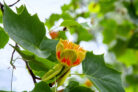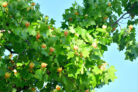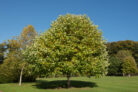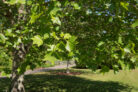
Every spring, gardeners look forward to those stunning, cup-shaped blooms that give the tulip tree its name. But here’s a little secret: when exactly those flowers show up depends entirely on which “tulip tree” you’re actually growing! To help you clear up the confusion, let’s break down the differences between these three popular ornamental trees:
- The American Tulip Tree
- The Tulip Magnolia
- The African Tulip Tree
When Does the American Tulip Tree Bloom?
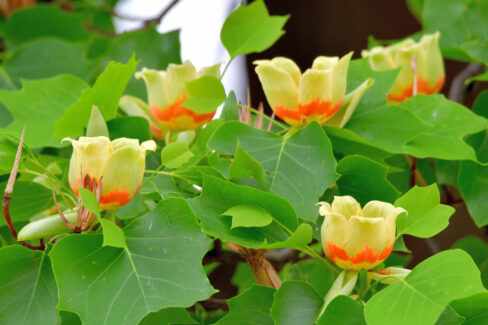
Depending on your local weather and where you’ve planted it, the American Tulip Tree (Latin name: *Liriodendron tulipifera*) typically blooms between April and June. If you want to give your tree the best start, make sure you give it plenty of elbow room and high-quality soil at its planting site. Giving it the right environment from day one is the best way to encourage healthy growth.
One thing to keep in mind: patience is key! This tree is a bit of a late bloomer and won’t flower in its early years. You can usually expect the first blooms after about 15 years, though some trees take up to 25 years to get started. The good news? Once it starts, the floral display gets more impressive every single year.
The Bloom Cycle of the Tulip Magnolia
Even though the Tulip Magnolia (*Magnolia x soulangeana*) is only a distant cousin to the American Tulip Tree, people often call it a “tulip tree” because the flowers look so similar.
Unlike its American namesake, the Tulip Magnolia has a shorter blooming window, usually from April to May. The show typically lasts about four weeks, but keep an eye on the forecast—a late spring frost can unfortunately cut the blooming season short. On the bright side, if the weather stays mild, you might even get a second flush of flowers later in the year! Plus, you won’t have to wait decades for this one; you’ll usually see your first flowers by the second year after planting.
The African Tulip Tree: A Tropical Twist
The African Tulip Tree (*Spathodea campanulata*) belongs to a completely different family, which means it has very different needs. In cooler climates, you’ll mostly see this beauty grown as a large indoor plant. When kept inside, it can actually bloom almost year-round! If you’re lucky enough to live somewhere warm enough to grow it outdoors, expect it to show off its vibrant colors during the summer months.