Most Viburnum varieties (or “Snowball Bushes,” as many of us call them) are pretty tough cookies when it comes to winter. However, not every variety can handle a deep freeze without a little help. I’m going to walk you through:
- Which varieties are naturally winter-hardy,
- Which ones need a little extra TLC to survive, and
- The best ways to protect your plants when the temperature drops.
Winter-Hardy Viburnum Varieties
Many Viburnums are incredibly resilient and can breeze through a frosty winter without breaking a sweat. If you have one of these popular varieties, you’re likely in good shape:
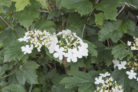
- Common Snowball (Viburnum opulus)
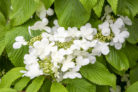
- Japanese Snowball (Viburnum plicatum)
- Fragrant Viburnum (Viburnum farreri)
- Bodnant Viburnum (Viburnum x bodnantense)
Even though these guys are tough, a nice layer of mulch never hurts—it acts like a cozy blanket for the roots. Also, don’t forget that Viburnums still need a drink in the winter! They don’t need nearly as much water as they do in July, but you should definitely give them a soak on days when the ground isn’t frozen.
Keep in mind that “teenager” plants aren’t as sturdy as the “grown-ups.” If you’ve recently planted a new bush or propagated your own, give those youngsters some extra protection during their first few winters.
Frost-Sensitive Varieties
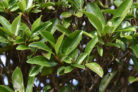
Some varieties are a bit more “fair-weather friends.” The Laurustinus (Viburnum tinus) and other Mediterranean types are particularly sensitive to the cold. Once temperatures dip below 25°F (-5°C), you might start seeing some real frost damage. The branches can freeze and die back, which is a total bummer because those are often the same branches carrying the buds for next spring’s blooms.
How to Protect Your Viburnum This Winter
If you’re growing one of the more sensitive varieties, I highly recommend planting it in a large pot or container. This makes it easy to move the plant to a sheltered spot—like a garage or a cool sunroom—during the worst of the winter. Ideally, you want to keep them somewhere between 40°F and 50°F. You can move them back outside as early as February, but keep some burlap or garden fleece handy to wrap the pot and branches if a late frost hits.
For the Viburnums planted directly in your garden beds, here are a few pro-tips to get them ready for winter:
- Cover the base of the plant with mulch, fallen leaves, or evergreen boughs.
- Wrap the branches in burlap, garden fleece, or specialized plant blankets.
- Water sparingly, and only on days when the temperature is above freezing.
One quick note: Mediterranean varieties actually don’t love having their “feet” covered with heavy mulch. If you have one of those, sticking to container gardening is usually your best bet for a happy plant!