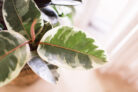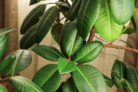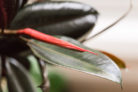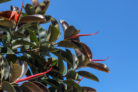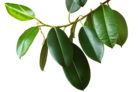
When it comes to feeding your Rubber Tree (*Ficus elastica*), the good news is that these guys are pretty low-maintenance. They aren’t heavy feeders, but they can’t live on water alone forever! To help your plant grow those big, glossy leaves we all love, you’ll need to give it a little nutritional boost every now and then.
Which Fertilizer Should You Use?
Since Rubber Trees aren’t particularly picky, a standard, high-quality houseplant fertilizer works perfectly. You don’t need anything fancy or specialized. Your main decision is whether you want to go with:
- Slow-release fertilizer (spikes or granules)
- Liquid fertilizer
Slow-Release Fertilizer
Slow-release options are great if you’re a “set it and forget it” kind of gardener. They break down slowly, feeding your plant over several months. Usually, you only need to apply these about once every three months.
Liquid Fertilizer
Liquid fertilizers are mixed right into your watering can according to the bottle’s instructions. Since it’s easy to overdo it, I recommend feeding your Rubber Tree with liquid fertilizer only about every six weeks during the growing season.
Compost
If you’re into organic gardening, well-aged compost is another option. Just a heads-up: this works best if your potting mix already contains wood or coconut fibers to help keep things airy.
When is Feeding Time?
Timing is everything! You should only fertilize your Rubber Tree during its active growing phase, which runs from spring through fall. Once winter hits, your plant wants to take a nap, so hold off on the fertilizer until the weather warms up again.
Another time to hit the pause button is right after repotting. Fresh potting soil is usually packed with nutrients already, so your plant won’t need extra food for about six months. Check the back of your soil bag for specifics on how long those nutrients last.
Fertilizing in Hydroponics
If you’re growing your Rubber Tree in hydroponics (water/clay pebbles), you’ll need a specific hydroponic fertilizer. Follow the manufacturer’s dosing instructions closely, but when in doubt, it’s always better to under-fertilize than over-fertilize.
Watch Out for Over-Fertilizing
Because Rubber Trees have such modest needs, it’s easy to accidentally give them too much “love.” Over-fertilizing can actually make your plant sick or cause it to drop its leaves. If you think you’ve overdone it, the best fix is to repot the plant into fresh, clean soil to give the roots a fresh start.