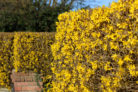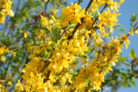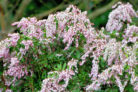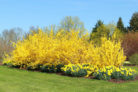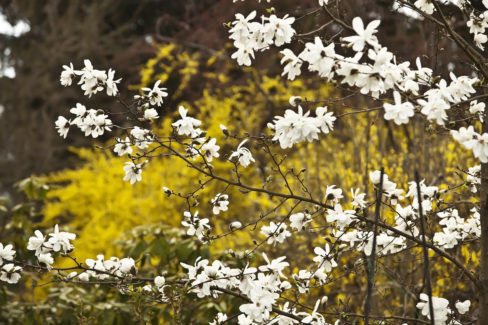
Most of us are familiar with the bright, cheery yellow blooms of the classic Forsythia, but have you met its elegant cousin, the White Forsythia (scientific name: *Abeliophyllum distichum*)? While they aren’t super closely related, they share that same early-spring charm. If you’re looking for something a little more unique for your yard, this snowy-white beauty is a fantastic choice.
Where does the White Forsythia come from?
The White Forsythia is actually endemic to the Korean Peninsula, meaning that’s the only place it grows naturally in the wild. Unfortunately, it’s become quite rare and endangered in its native habitat. Luckily for us gardeners, you can still find it at well-stocked local nurseries or specialty garden centers.
Keeping your plant happy
White Forsythia is pretty low-maintenance. It loves a spot that gets full sun to partial shade. If your soil is rich in organic matter and drains well, you won’t even need to worry about fertilizer. The one thing to keep an eye on is water—this shrub can get pretty thirsty, so make sure to give it a good soak during those long, dry summer spells.
The perfect prune
Just like its yellow-blooming relatives, the best time to [forsythie-wann-schneiden]prune your White Forsythia[/link] is right after the flowers fade. Since it’s a bit more delicate and slower-growing, you can actually get away with pruning it just once every two years. And don’t worry if it gets a bit overgrown; this plant is tough and can handle a “hard prune” (cutting it back significantly) if it needs a total refresh.
When you’re ready to trim, cut the spent branches back by about a third. Make your cuts just above a healthy-looking bud. This encourages the plant to grow new shoots over the summer, which is where next year’s flower buds will form in the fall.
How to grow more
Summer is the perfect time to propagate your White Forsythia, either by layering or by taking cuttings. If you go the cutting route, June through September is the sweet spot. Take a 4 to 6-inch tip cutting, strip off the bottom leaves, and tuck it into some moist potting soil. Keep it at room temperature and keep the soil damp—they usually root fairly quickly!
Quick Summary:
- Only distantly related to the common yellow Forsythia.
- Needs regular watering during dry periods.
- Fertilizer is usually only necessary if your soil is very poor.
- Prune right after the flowers finish blooming.
Pro Tip: Unlike the standard yellow Forsythia, the almond-scented blossoms of the White Forsythia are actually a hit with bees and other pollinators!