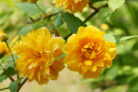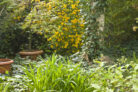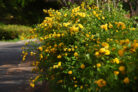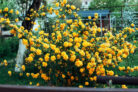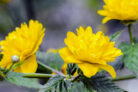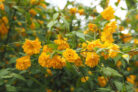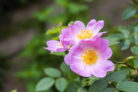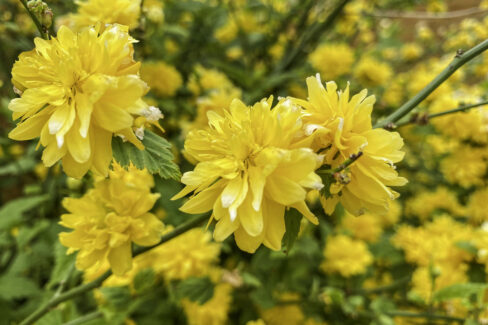
The Kerria, or Japanese Rose, is a medium-sized, early-blooming shrub that really kicks off the spring season with its vibrant yellow, white, or pink blossoms. You might also hear it called the “Double-Flowered Japanese Rose,” which specifically refers to those gorgeous, pom-pom-like yellow varieties.
Fast Facts About the Japanese Rose
Part of the Rosaceae (rose) family, this shrub is a real standout in the garden. Here’s the quick rundown:
- Deciduous ornamental shrub
- Perennial (it’ll be back year after year!)
- Reaches heights between 6 and 10 feet
- Upright growth habit
- Main bloom time: April/May through June/July
- Available in single or double-flowered varieties
- Colors: Yellow, white, or pink
- Great as a focal point (specimen plant) or a hedge
- Needs regular pruning to keep it from getting “leggy” or woody
When Does It Bloom?
The Japanese Rose boasts a pretty impressive blooming window if you give it a little TLC. Usually, those small blossoms start popping open between April and May. If you live in a warmer climate, you might even see some color as early as March! Here’s a pro tip: if you deadhead the spent flowers and give the long branches a light trim once the main bloom ends in July, you can often trigger a second flush of flowers. This second round usually happens from August to September (sometimes even October in the right spot), though it’s typically a bit more subtle than the spring show.
The Perfect Spot: Sun and Soil
If you want a lush, flower-heavy shrub, location is everything. Generally speaking, the Japanese Rose isn’t too picky—it’ll grow in full sun or shade. However, it’s not a huge fan of intense, direct midday sun, which can bleach the flowers. Your best bet is a sheltered spot with partial shade or dappled sunlight. Just keep in mind that it loves to spread out, so make sure you give it plenty of elbow room in your garden layout.
As for the soil, this shrub is pretty low-maintenance. It thrives in nutrient-rich, slightly acidic soil that drains well. If your soil is heavy or compacted, you’ll want to loosen it up before planting to prevent standing water—nobody wants root rot! One dealbreaker to watch out for is lime. The Japanese Rose absolutely hates lime/calcium-heavy soil. Because of this, it’s best to water your shrub with rainwater rather than tap water, which often contains too many minerals for this plant’s liking.