If you want to grow a killer harvest of peppers, you’ve got to start with the dirt. Choosing the right soil is one of the biggest secrets to success. Depending on how old your chili plants are, their “dietary” needs change—and getting the substrate right doesn’t just mean more peppers; it means much healthier, happier plants overall.
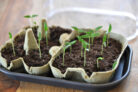
Keep it Lean During Seed Starting
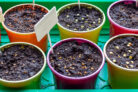
When you’re just starting your seeds, less is definitely more. While chili seeds *will* sprout in nutrient-rich potting soil, it’s not actually good for them. Too much fertilizer early on can cause “leggy” growth, where the plants shoot up too fast and become weak and spindly.
Why low-nutrient soil is the way to go:
- It forces the plant to grow strong, deep roots.
- It keeps the plants compact and sturdy.
- It prevents weak, stretched-out stems.
You can grab a bag of commercial seed-starting mix at the store, or get your hands dirty and mix your own! A great DIY recipe is one part compost, one part quartz sand, and two parts perlite or fine coconut coir. The goal is a mix that’s airy and drains well. This prevents mold from moving in, which can kill off those delicate little sprouts before they even get a chance.
Hungry Plants Need More Fuel Once They Bloom
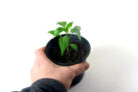
Once your seedlings are ready for their first “promotion” (transplanting), move them into a mix of seed-starting soil blended with a bit of nutrient-rich compost. Keep things moderate until it’s time for the final planting of your chilies.
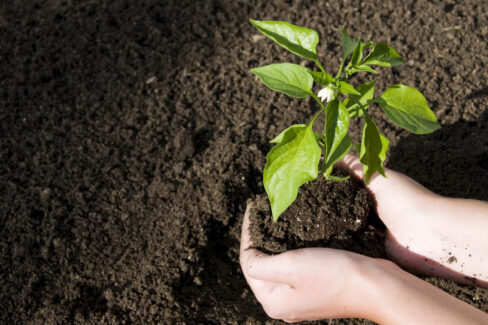
The real feast begins when your peppers move to their “forever home.” At this stage, they need a rich substrate packed with organic matter. If you’re growing in containers, use a high-quality commercial veggie soil or well-aged compost when repotting your plants. It’s also a smart move to mix in some slow-release fertilizer, like horn meal. Some old-school gardeners even put a layer of fresh horse manure at the bottom of the pot—as it breaks down, it generates heat and provides a steady stream of nutrients!
If you’re planting directly in the garden, make sure to prep the ground first. Work plenty of compost into the soil and add some slow-release fertilizer. If your garden soil feels a bit heavy or packed down, mix in some sand or coarse compost to keep things loose and breathable.
Tapering Off at the End of the Season
As the season winds down, it’s time to scale back on your regular fertilizing routine. By letting the nutrient levels in the soil drop, you’re sending a signal to the plant. It will stop putting energy into making new flowers and instead focus all its strength on ripening the fruit it already has. This is your best bet for making sure those last few peppers actually turn color before the first frost hits!