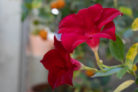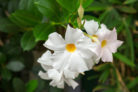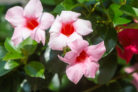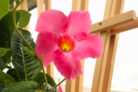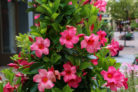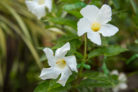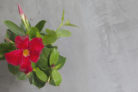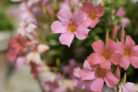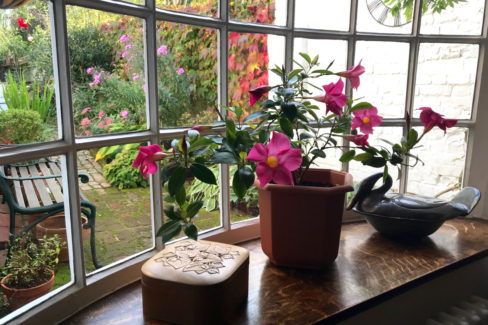
Most gardeners treat Dipladenia (also known as Mandevilla) as an annual because it just can’t handle the cold. But here’s a little secret: you don’t have to toss them at the end of the season! You can actually bring them indoors for the winter. Whether your basement is the right spot for them, though, depends on a few specific factors.
The Perfect Winter Home
Dipladenias are true sun-lovers and absolutely hate the cold—and frost is a total dealbreaker. In fact, Mandevilla starts to struggle as soon as the thermometer dips to 46°F (+8°C). If you want to keep yours from freezing and ensure it blooms again next year, moving it inside in the fall is a must.
Because they’re so sensitive, you’ll want to keep their winter quarters at a steady temperature between 46°F and 54°F. Any colder and the plant suffers; any warmer and it won’t get the “rest” it needs, which can lead to fewer flowers next summer.
Light is the other big factor. Dipladenia needs plenty of brightness even during its winter nap. If it’s stuck in a dark corner, the plant will get stressed, drop its leaves, and look pretty sad by springtime.
Can They Overwinter in the Basement?
So, can your Mandevilla overwinter in the basement? It really comes down to the environment down there. The most important thing is a consistent temperature. If your basement drops below that magic 46°F mark when it gets icy outside, it’s not the right spot for your plant.
When checking your basement for light, ask yourself:
- Is the light level similar to what you’d find in a sunroom or conservatory?
- Does the room get a good amount of morning or evening sun?
You also need to watch out for drafts. If your “perfect spot” is right next to a basement window that you open for fresh air, think again. That blast of cold air is like a shock to the Mandevilla’s system, and it won’t be happy about it!