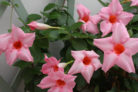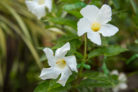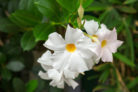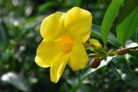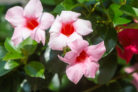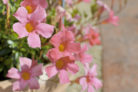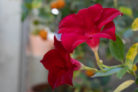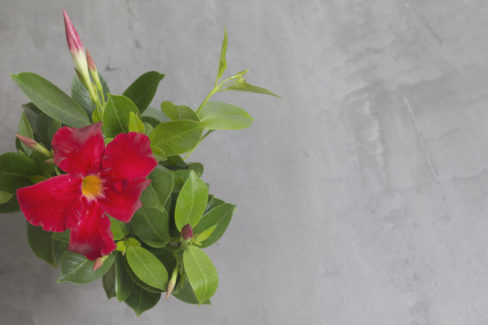
Dipladenia (also known as Mandevilla) is a total showstopper for balconies and patios, thanks to those gorgeous trumpet-shaped blooms. While a sun-drenched sunroom is often the go-to recommendation for keeping them indoors, you might be wondering: can they thrive in other parts of the house? Let’s dig into it!
Dipladenia as a Houseplant
In our neck of the woods, you’ll usually find Dipladenias sold as houseplants because they aren’t hardy enough to survive a cold winter. Once temperatures dip below 46°F (8°C), these tropical beauties start to struggle, so planting them permanently in the garden is a no-go in most climates.
Fresh Air Season
Just because they’re labeled as “houseplants” doesn’t mean they want to be cooped up inside all year! In fact, Mandevilla really hits its stride when it gets to spend the summer out on the balcony or patio. These plants are absolute sun-worshippers and can’t get enough light and warmth. If you can, try to move them outside starting in mid-May once the threat of frost has passed.
When autumn rolls around and those nighttime temps start hitting the single digits, it’s time to move them back indoors for their winter nap.
Can They Stay Indoors Year-Round?
If you don’t have a porch or balcony to move your Mandevilla to during its blooming season, don’t worry—you don’t have to miss out on those flowers. It is totally possible to keep them as year-round indoor plants.
The Perfect Spot
Just like their outdoor cousins, indoor Mandevillas need two main things to thrive: lots of light and plenty of warmth.
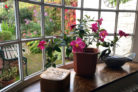
Your best bet is a spot that gets great morning or evening sun, like an east- or west-facing window. A south-facing window works too, but you’ll want to provide a little filtered shade during the intense midday heat so the leaves don’t scorch.
To keep the “warmth” factor in check, make sure your Mandevilla isn’t sitting on a cold floor. They much prefer being elevated on something like:
- A sunny windowsill
- A plant pedestal
- A rolling plant stand
- A small side table
Choosing the Right Variety
When you’re shopping for an indoor Dipladenia, keep the plant’s growth habit in mind. Compact, upright varieties are much easier to manage inside than the climbing types that grow long, winding vines. If you do go for a trailing variety, they look stunning in a hanging basket or cascading off a plant pillar, provided they’re getting enough light!