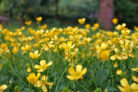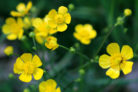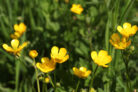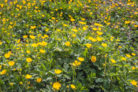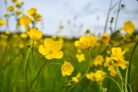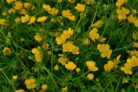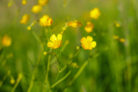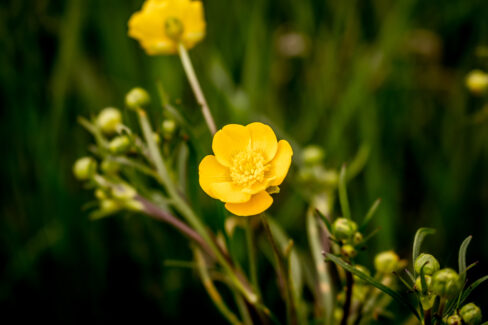
I’d bet the farm that you’ve seen this wild beauty before! If there’s one thing that sticks in your mind about this plant, it’s the flowers. They aren’t just “butter yellow”—they are a much more intense, glossy gold. Interestingly enough, the common name really does have a connection to actual butter. Let’s dive into the story behind this plant and look at some quick facts.
The Quick Facts
- Common Name: Tall Buttercup (or Meadow Buttercup)
- Scientific Name: *Ranunculus acris*
- Family: Ranunculaceae (Buttercup family)
- Origin: Europe and Asia, found at altitudes up to 7,500 ft
- Habitat: Sunny meadows, pastures, forest edges, roadsides, and thickets
- Soil: Moist, nutrient-rich, and lime-heavy
- Growth: Herbaceous, upright, 8 to 40 inches tall
- Leaves: Deeply lobed and serrated
- Flowers: Five-petaled, shiny golden-yellow
- Bloom Time: May through July
- Fruit: Nutlets appearing from July to October
- Special Note: Toxic in all parts of the plant
What’s in a Name?
Both the names “Buttercup” and “Hahnenfuß” (the German name meaning “rooster’s foot”) have great backstories. Members of this entire plant family have leaves that look a lot like a bird’s foot—specifically a rooster’s. This trait is so distinct that it became the namesake for the whole family in many languages.
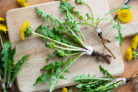
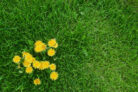
As for the “butter” part? Back in the day, the yellow petals were actually dried and used to color butter to give it that rich, golden hue. That’s how the name Buttercup stuck! Depending on where you live, people might use the term “buttercup” for other yellow wildflowers, too. The Dandelion is probably the most famous example of a “look-alike” that gets called a buttercup in some regions.
Look, but Don’t Taste: It’s Toxic
One thing you need to know: the Buttercup is not edible. In fact, every part of the plant is toxic while it’s fresh (though it loses its toxicity once dried in hay). If anyone—human or pet—accidentally eats it, they could deal with nausea, vomiting, and diarrhea. This is all thanks to compounds called ranunculin and protoanemonin. This is exactly why you shouldn’t confuse it with the edible dandelion!
The Symbolism of the Buttercup
In the world of flower meanings, these yellow blooms are closely tied to prosperity and wealth. Legend has it that if you love buttercups, you probably have a healthy appreciation for finances, too! Giving someone a bouquet of buttercups is like a little charm to help “open the faucet” of their fortune. While buttercups were used in traditional folk medicine long ago, there aren’t any modern scientific studies to back up their healing powers—so it’s best to stick to enjoying them visually.
Pro Tip:
The buttercup is often seen as a “wish-granter.” Try picking a small bunch of them while visualizing a dream you have for your life. Put them in a vase and keep that positive intention in mind while they bloom!